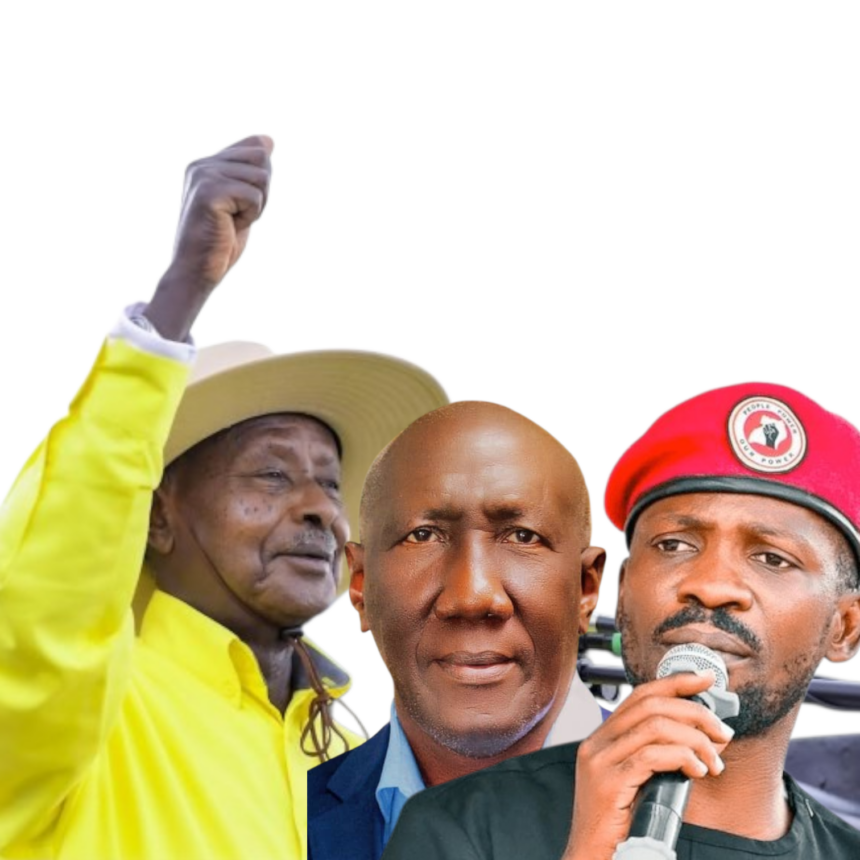
Namutumba District, nestled in the heart of Busoga, has long been a bastion of loyalty to the National Resistance Movement (NRM) and President Yoweri Kaguta Museveni. Even in the turbulent 2021 elections, when the majority of Busoga tilted toward Robert Kyagulanyi Ssentamu of the National Unity Platform (NUP), Namutumba stood firm. Out of eleven districts in the sub-region, only three—including Namutumba—remained in the NRM column, with Museveni edging Kyagulanyi in the presidential vote. Fast forward to January 2026, and the story of Namutumba’s steadfastness was written in even bolder strokes. President Museveni secured a commanding 64.2% of the vote, compared to Kyagulanyi’s 32%, a sharp improvement from his 56% showing in 2021. This surge underscored not only the enduring trust of Namutumba’s electorate but also the resonance of NRM’s message of stability, empowerment, and continuity. Yet, paradoxically, while Museveni triumphed at the presidential level, the NRM’s parliamentary candidates faltered. All four flagbearers for Member of Parliament seats in Namutumba failed to deliver victory, leaving the district without a single NRM MP. This duality—overwhelming support for Museveni alongside rejection of NRM’s parliamentary hopefuls—sparked debate and introspection within the party. The parliamentary contests in Namutumba were marked by upsets and internal fractures. Maiam Naigaga, the incumbent Woman MP, failed to defend her seat after losing the primaries. She was outpaced by Betty Nakisiita, who ran as an independent candidate. In Bukono, Minister Persis Namuganza trounced Emma Maganda, compounding frustrations over what many perceived as biased party primaries. In Busiki, independent candidate Joel Waiswa Azaalwa defeated Akamba, while in Busiki North, Kayogera Charles edged out NRM flagbearer Mpango David. These defeats painted a picture of disillusionment with the internal processes of the NRM. Voters seemed unwilling to endorse candidates they felt had emerged from flawed primaries, even while maintaining loyalty to Museveni himself. In an interview with Watchdog Uganda, Frederick Aggrey Bangu, the Resident District Commissioner (RDC) of Namutumba, offered a candid assessment. “There were glaring gaps in the internal party primaries. In many cases, the outcomes did not reflect the will of the voters. This created resentment and opened the door for independents to thrive,” Bangu explained. He emphasized that the rejection of NRM MPs did not equate to a rejection of the party itself. Rather, it was a protest against flawed processes. Museveni’s uncontested flag, he argued, allowed voters to express their loyalty to the NRM without the baggage of internal disputes. Bangu also pointed out that NRM candidates performed strongly in local government elections, including the District Chairperson race. Moreover, none of the MP seats went to opposition parties; instead, independents with NRM leanings carried the day. This, he insisted, was evidence of the electorate’s enduring faith in the NRM, albeit tempered by frustration with internal bottlenecks. Bangu was unequivocal in his praise for Museveni’s candidacy. “President Museveni was by far the most potent candidate. All the others could not measure up to him. It was always going to be hard for anyone to defeat him,” he said. He credited Museveni’s campaign message as a masterstroke, resonating with voters who saw in him a leader deeply attuned to the country’s challenges and equipped with solutions. In Namutumba, tangible interventions in economic empowerment, education, health, and infrastructure proved decisive. Perhaps the most transformative factor was the Parish Development Model (PDM). By the time of the elections, Namutumba had received 34.224 billion shillings, distributed among 34,224 beneficiaries. These funds were invested in productive activities ranging from agriculture to small-scale enterprises, dramatically improving livelihoods. “In every village, every household has either directly benefitted from PDM or has a family member who did. This program changed mindsets and made it easy to market President Museveni as the vision bearer of economic progress,” Bangu noted. The sheer scale of PDM’s impact created a ripple effect of gratitude and trust, translating into votes for Museveni. Education has been another pillar of NRM’s appeal in Namutumba. The government’s policy of establishing seed schools in every subcounty bore fruit, with Nabweeyo, Bukonte, and Namutumba seed schools fully established, while Nangonde Seed School is 60% complete. Additionally, investments in institutions like Kisiki College and Ivukula SS have elevated the district’s educational profile. These developments reinforced the perception of Museveni as a leader committed to expanding opportunities for the youth. Healthcare advancements also played a pivotal role. The government ensured a steady supply of essential drugs through the National Medical Stores, while major upgrades transformed facilities. Nsinze Health Center IV was renovated with a state-of-the-art theater and blood bank, attracting patients from across the region. Magada Health Center III was elevated to HC IV, equipped to enhance service delivery. These improvements bolstered public trust in the NRM government and contributed to Museveni’s strong showing. Beyond material interventions, the government invested in patriotism training programs targeting secondary school students. These initiatives sought to instill values of national pride, civic responsibility, and awareness of Uganda’s development trajectory. By engaging the youth directly, the NRM cultivated a generation more inclined to support its vision. Access to clean water has long been a pressing issue in Namutumba. The government, in partnership with NGOs, dug 73 boreholes across the district. This expansion of water coverage alleviated daily struggles for thousands of households, further cementing Museveni’s image as a provider of practical solutions to community needs. Namutumba’s story cannot be told in isolation. The broader Busoga sub-region offers a revealing backdrop. In Luuka District, Kyagulanyi had edged Museveni in 2021 with 51.9% to 48.1%, but by 2026 Museveni reclaimed the lead, riding on PDM investments and improved health services. In Kamuli, Museveni’s support rose from 52% in 2021 to 67% in 2026, buoyed by agricultural programs and road infrastructure. Iganga District, once a stronghold for Kyagulanyi, swung back to NRM with Museveni securing 62% in 2026, compared to 49% in 2021. Even in Bugiri, where opposition figures had historically performed well, Museveni improved his tally from 46% in 2021 to 58% in 2026. These statistics reveal a regional trend: while NUP made inroads in 2021, the tide shifted by 2026 as NRM consolidated its rural base and delivered tangible programs. Namutumba’s overwhelming support for Museveni was thus part of a larger Busoga resurgence. Bangu was keen to acknowledge the support extended to RDCs by the Office of the President. Through capacity-building workshops, counseling sessions, Zoom meetings, logistical support including transport, fuel, car tyres, and allowances, RDCs were empowered to execute their mandates effectively. He hailed Minister Milly Babalanda, under whose stewardship RDCs have thrived in a conducive working environment. “The encouragement we receive, the visits to our stations, and the logistical support have made our work impactful. We are grateful for this leadership,” Bangu affirmed. In closing, Bangu expressed profound gratitude to President Museveni and the Presidency under Minister Babalanda for the opportunity to serve. “I thank President Museveni and the Presidency for the trust placed in me. I am ready to continue serving my country whenever called upon,” he declared. Namutumba’s story in 2026 is thus one of paradox and promise: a district that rejected NRM’s MPs but embraced Museveni with overwhelming support. It is a reminder that loyalty to the President remains strong, but internal party processes must be refined to ensure that parliamentary candidates reflect the true will of the people. And in the wider Busoga region, the statistics tell a clear story—Museveni’s resurgence was not accidental but the fruit of deliberate programs, tangible interventions, and a message that resonated across villages and towns alike.
Why Did Namutumba Reject Both NRM And NUP Flagbearers But Overwhelmingly Voted For Musevni? RDC Bangu Shares Stunning Insights
Do you have a story in your community or an opinion to share with us: Email us at Submit an Article