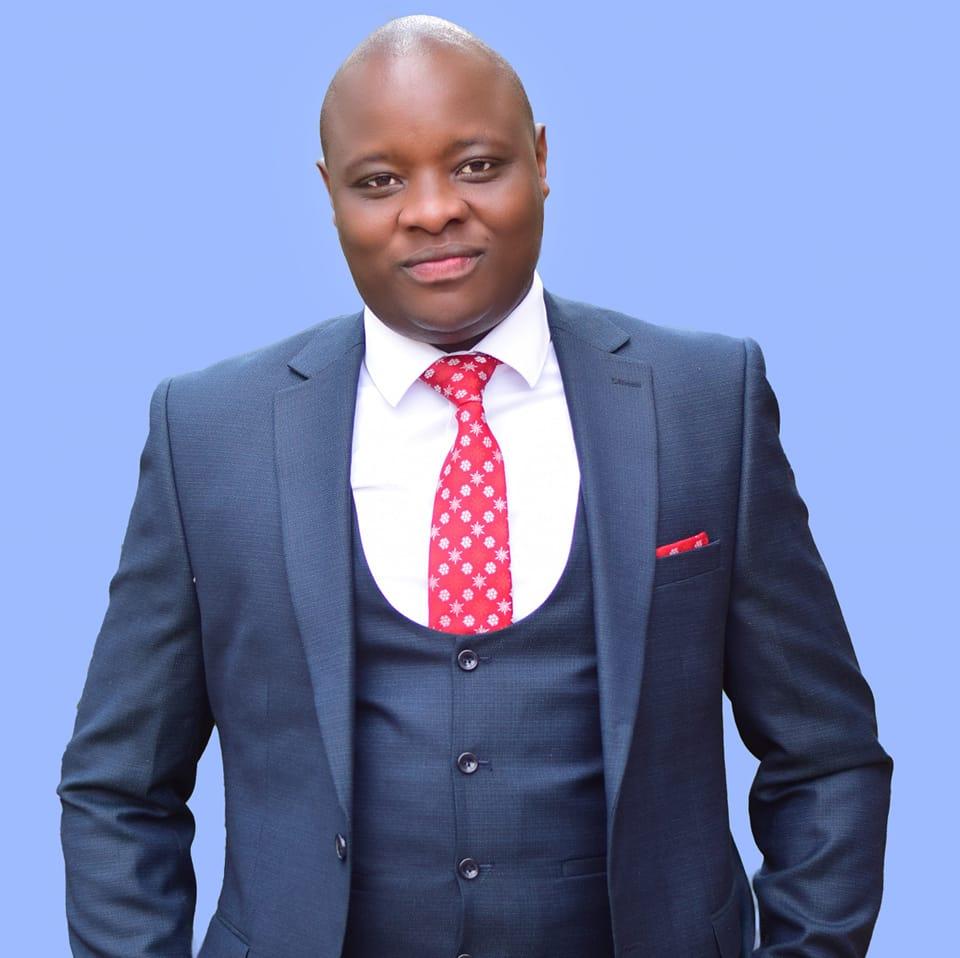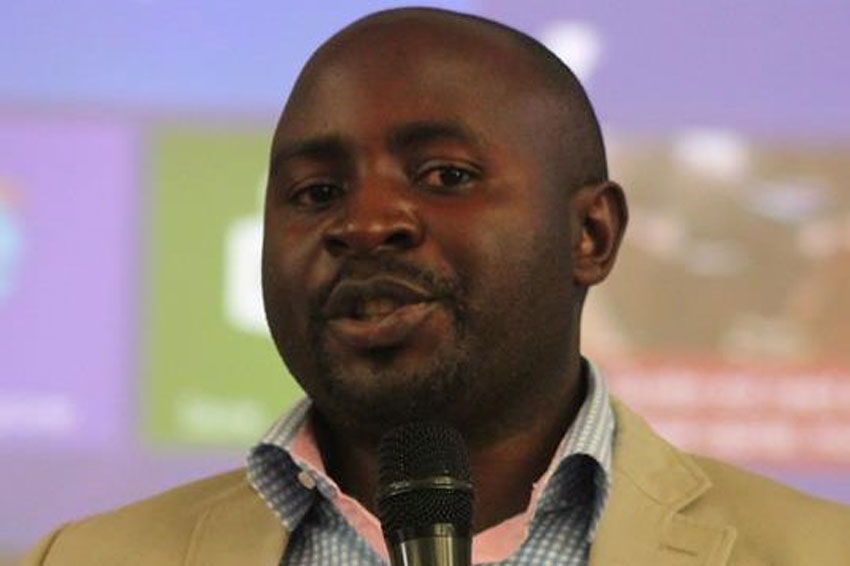
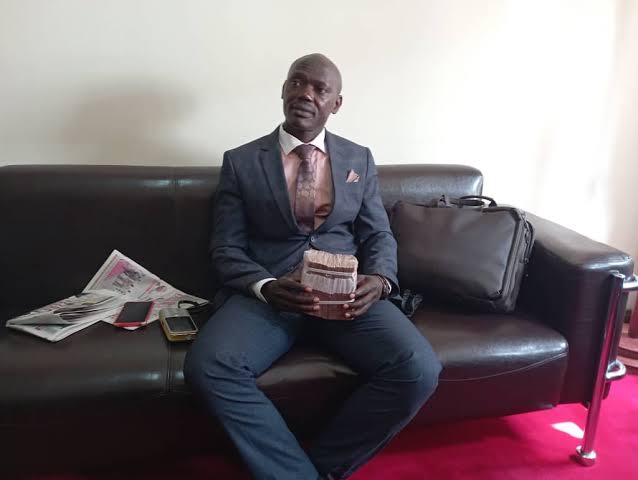
Outgoing Bukoto South MP Twaha Kagabo has suspended the free medical services he had been offering to residents in his constituency following his defeat in the January 15, 2026 parliamentary elections.
Dr Kagabo, a medical doctor by profession, had gained popularity in Bukoto South, for organizing free surgical camps, subsidized treatment, and providing an ambulance service to support patients in emergency situations. Many residents, particularly vulnerable families, benefited from the initiatives during his five-year term in Parliament.
However, shortly after losing his seat, Kagabo announced that the services would no longer be offered free of charge. He reportedly explained that he had been able to subsidize the programs using his parliamentary salary and allowances, and without that income, sustaining them would be financially impossible. He emphasized that he is not the government and cannot continue offering free services indefinitely. Going forward, patients seeking treatment at his hospital — including those requiring ambulance transportation — will be required to pay.
Kagabo’s political trajectory has been closely followed in recent years. He was elected in 2021 under the banner of the opposition National Unity Platform (NUP) but later fell out with the party leadership. In the run-up to the 2026 elections, he left NUP and sought the ruling National Resistance Movement (NRM) ticket, a move that stirred political debate both within his constituency and nationally.
His decision to withdraw free medical services mirrors a recent development in Mawokota South, where former MP Yusuf Nsibambi reportedly halted community initiatives, including garbage collection and scholarships, after losing his seat to Susan Nakawuki.
The developments have sparked broader conversation about the role of MPs in service delivery. While Parliamentarians are primarily legislators and overseers of government programs, many have increasingly taken on quasi-executive roles by personally financing social services to bridge gaps in health, education, and infrastructure.
Critics argue that tying essential services to individual politicians risks politicizing basic needs and creates uncertainty when electoral fortunes change. Supporters, however, contend that private initiatives are voluntary and should not be misconstrued as permanent entitlements.
For residents of Bukoto South, the immediate reality is clear: services that were once free will now come at a cost, marking the end of a chapter where political office directly subsidized community healthcare. Kagabo advised voters to go their newly elected MP for services they sought from him!
Do you have a story in your community or an opinion to share with us: Email us at Submit an Article