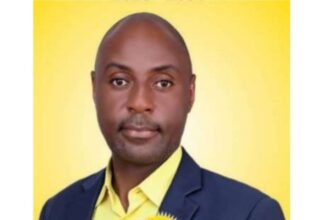
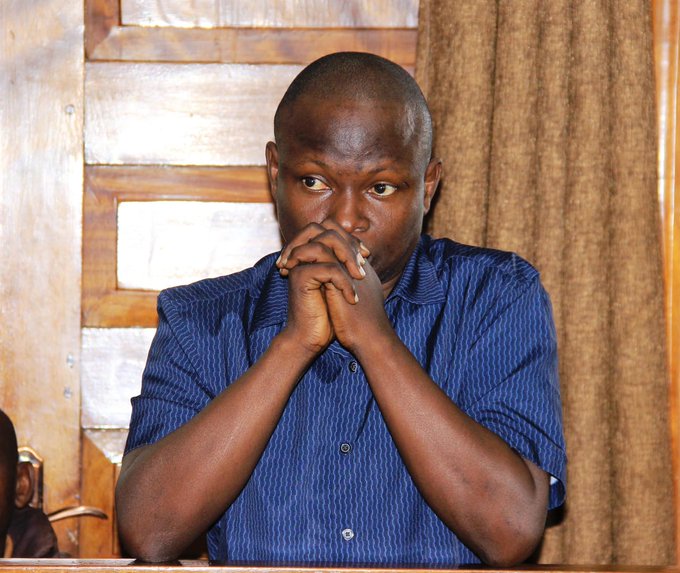
Masaka, Uganda – Masaka High Court has granted bail to Rev. Fr. Deusdedit Ssekabira, a Catholic priest who has been on remand since December 2025, in a decision that has sparked relief among his supporters while reigniting debate over political influence in Uganda’s justice system.
Justice Victoria Nakintu Katamba ruled that Fr. Ssekabira, a curate at Bumangi Parish in Masaka Diocese, be released on a cash bail of Shs15 million, alongside non-cash sureties of Shs50 million. He is also required to surrender his passport as part of the bail conditions. The ruling brings to an end more than two months of detention following earlier unsuccessful attempts to secure his release.
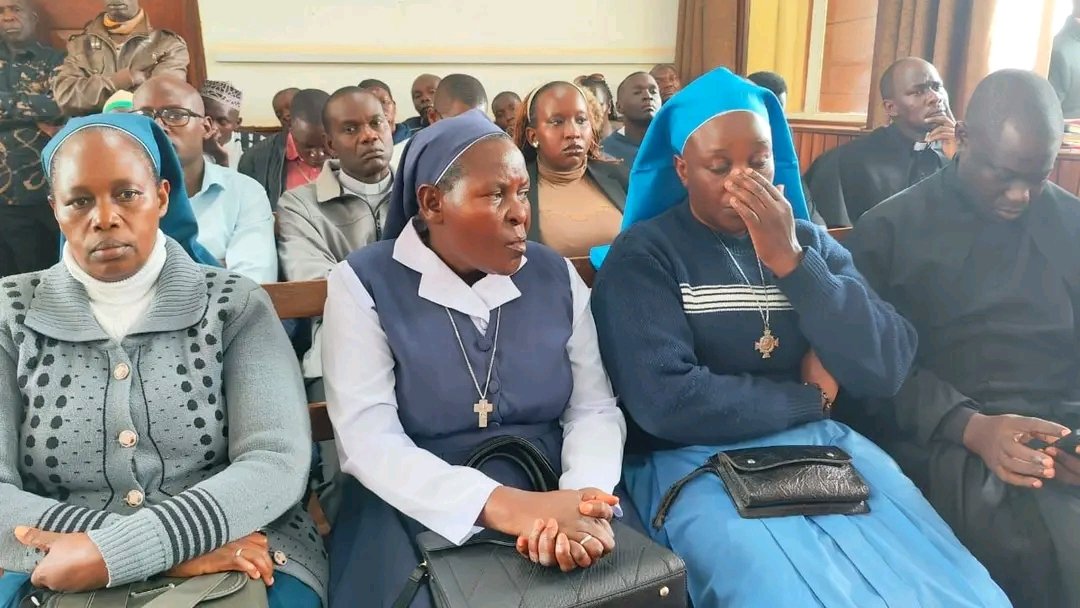
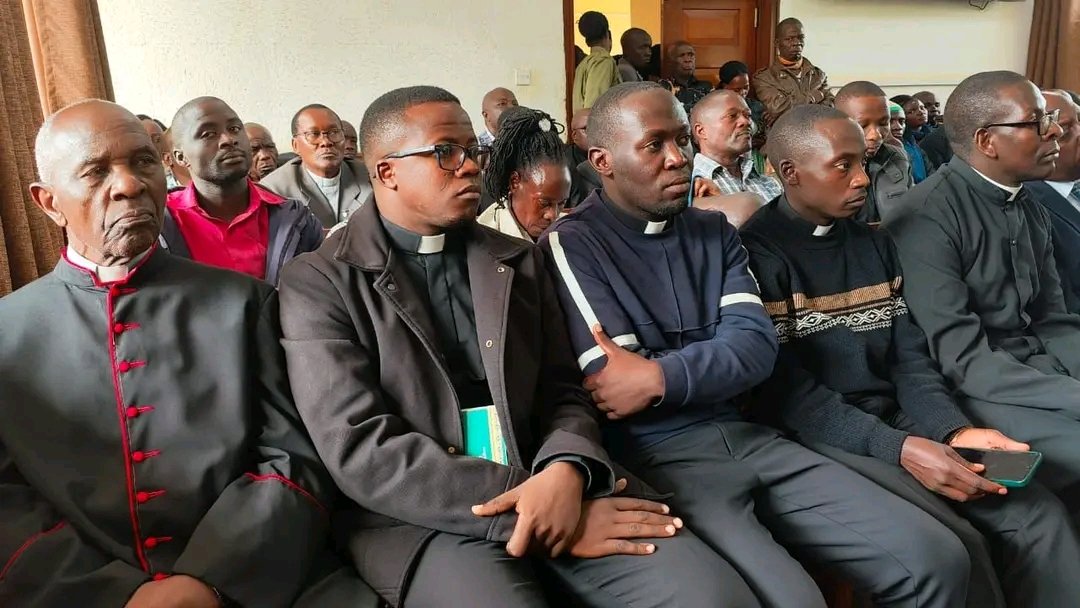
Fr. Ssekabira was arrested on December 3, 2025, in circumstances that immediately raised concern. Reports indicated that he was picked up by armed personnel believed to be from the military. For nearly two weeks, his whereabouts remained unknown, prompting alarm from the Catholic Church, human rights defenders, and sections of the public. The Uganda People’s Defence Forces later acknowledged holding him, initially alleging involvement in “violent subversive activities.”
On December 23, prosecutors formally charged the priest with money laundering, alleging that between 2023 and 2025 he handled Shs500 million through Centenary Bank’s Masaka branch, money said to be proceeds of crime disguised as legitimate transactions. Fr. Ssekabira has denied the charges.
The case attracted further attention on January 28, when Justice Katamba denied him bail, a moment that ended in visible distress as the priest broke down in court. The matter was adjourned to today, when the court reconsidered the application and granted his release.
Controversy deepened when President Yoweri Museveni publicly claimed responsibility for the arrest during a public address in January. The President alleged that Fr. Ssekabira had links to opposition leader Robert Kyagulanyi, also known as Bobi Wine, and the National Unity Platform. He further disclosed that he had rejected appeals from Masaka Bishop Serverus Jjumba and other religious leaders to have the priest released, insisting that Fr. Ssekabira must first “confess the truth.”
These remarks have fuelled criticism from legal experts, clergy, and opposition figures, who argue that they point to political interference in an ongoing criminal case. Critics contend that the money laundering charges may be a pretext to neutralise perceived government critics, particularly as the country heads toward the 2026 general elections.
Catholic lawyers and theologians have also condemned the initial military detention of a civilian cleric, describing it as part of a worrying trend in which security agencies bypass civilian law enforcement and courts, undermining constitutional protections.
Lead defence lawyer Sam Ssekyewa welcomed the bail decision, saying his client had presented credible sureties and that the ruling reaffirmed the principle that bail is a constitutional right, not a favour. He stressed that Fr. Ssekabira remains innocent and will continue to defend himself as the trial proceeds.
While the priest’s release offers temporary relief to his family and supporters, the case leaves broader questions unanswered — about judicial independence, the involvement of the military in civilian matters, and the shrinking space for religious leaders to engage in community and social issues without fear of reprisal.
As proceedings continue, Watchdog Uganda will closely follow the trial to assess whether it adheres to due process or reflects selective prosecution. For now, Fr. Ssekabira’s freedom on bail highlights both the resilience and the strain within Uganda’s criminal justice system.
Do you have a story in your community or an opinion to share with us: Email us at Submit an Article