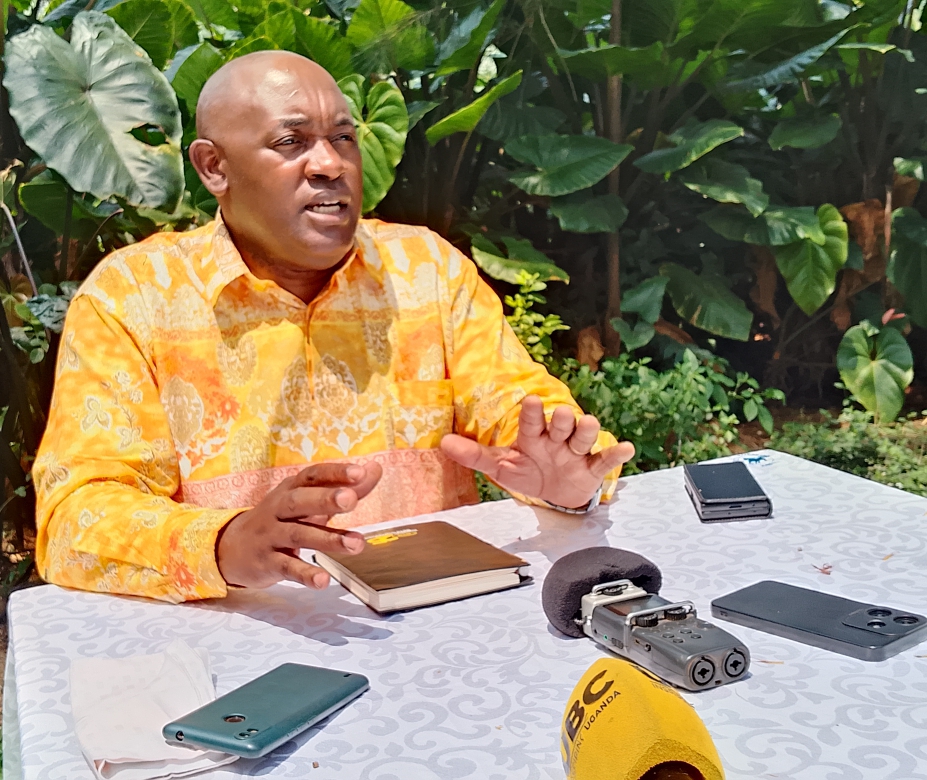
Kampala, Uganda — Uganda is witnessing a fresh wave of political uncertainty after Information, Communication and Technology Minister Dr Chris Baryomunsi publicly condemned a military operation at the home of opposition leader Robert Kyagulanyi Ssentamu, popularly known as Bobi Wine.
Speaking on Monday, Dr Baryomunsi said the opposition leader “has committed no crime” and is free to return to his residence, a statement that sharply contrasts with reports of heavy military presence in Magere, Wakiso District, where Kyagulanyi resides. The remarks appear to distance the civilian government from the operation, raising questions about the coordination between Uganda’s political and military leadership.
“The military raid on Bobi Wine’s home was unnecessary. He has not violated the law and is free to return,” Baryomunsi said, further rejecting statements from the Chief of Defence Forces (CDF) regarding Uganda’s foreign military posture, including troop deployments in Somalia. “Those statements do not reflect government policy,” he added.
The intervention comes amid heightened tensions following the January 15 general election, which Kyagulanyi disputed, citing irregularities and voter intimidation. While the opposition continues to contest the results, reports of military surveillance around his home and other opposition strongholds have fueled public concern over potential crackdowns.
Political analysts suggest that Baryomunsi’s remarks highlight underlying tensions within the ruling establishment. “It’s unusual for a minister to openly contradict military actions,” said a senior political observer. “This points to a lack of clarity in civil-military relations and raises questions about decision-making at the top levels of government.”
Opposition figures have cautiously welcomed the minister’s statements but insisted that actions must follow words. “Statements are welcome, but security forces must immediately withdraw from civilian spaces,” said one prominent opposition leader. Human rights groups echoed this sentiment, warning that continued military involvement in civilian affairs threatens constitutional freedoms and democratic norms.
The incident has also drawn attention from international partners monitoring Uganda’s post-election environment. Several diplomatic missions reportedly expressed concern over the implications of military involvement in domestic politics, particularly during the sensitive post-election period.
As Uganda navigates the contentious aftermath of its recent elections, Dr Baryomunsi’s remarks underscore the delicate balance the government must strike between reassuring the public, maintaining order, and asserting civilian oversight over the military. Whether this signals a genuine policy shift or remains a single voice within government is yet to be seen.
For now, Ugandans and international observers alike are left to watch closely, as the situation around Bobi Wine’s home and broader political dynamics continues to unfold.
Do you have a story in your community or an opinion to share with us: Email us at Submit an Article