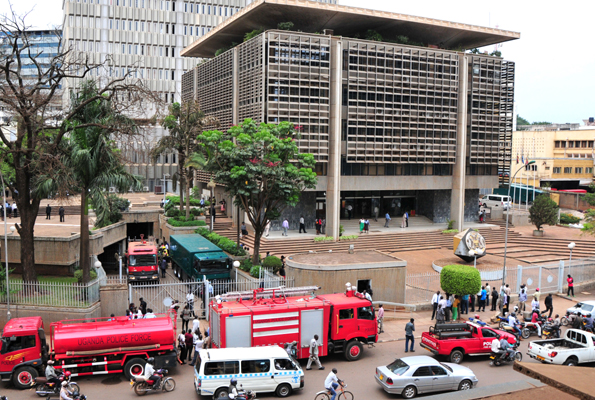
Kampala, Uganda – February 9, 2026 — The Bank of Uganda (BoU) has decided to keep its key interest rate unchanged at 9.75 percent, maintaining the position it has held for the sixth straight meeting. The move comes as inflation remains below the central bank’s target, but economic risks persist both locally and globally.
For many Ugandans, especially business owners and borrowers, the big question is simple: What does this decision mean for me?
What Is the Policy Rate?
The Central Bank Rate (CBR) is the interest rate at which the Bank of Uganda lends money to commercial banks. While banks set their own lending rates, the CBR heavily influences how expensive loans become for businesses and individuals.
By keeping the rate at 9.75 percent, the central bank is signaling that it wants to maintain stability—neither tightening credit nor stimulating borrowing aggressively.
Why BoU Chose to Hold the Rate
According to the central bank, inflation remains under control, staying below the 5 percent medium-term target. Stable food prices, easing global commodity costs, and a relatively steady shilling have helped keep consumer prices in check.
However, BoU says risks remain. Globally, interest rates are still high, making borrowing more expensive and limiting capital flows to developing economies. Locally, challenges such as climate shocks, fiscal pressure, and uncertain global demand could still affect prices and growth.
Holding the rate allows BoU to wait and watch rather than make a risky move in an uncertain environment.
What This Means for Businesses
For businesses—especially small and medium enterprises (SMEs)—the decision brings predictability. Loan rates are unlikely to rise sharply in the short term, making it easier to plan cash flow, inventory purchases, and expansion.
However, the reality remains that borrowing in Uganda is still expensive. Even with a stable CBR, commercial banks price in risk, meaning many businesses continue to face high interest rates on loans.
What It Means for Borrowers and Consumers
If you already have a loan, this decision means your interest rate is unlikely to increase soon. For those planning to borrow, the cost of credit will remain broadly the same, not cheaper—but not worse either.
Savings rates are also expected to remain stable, offering modest returns but limited protection against rising costs of living.
What to Watch Next
Economists say future decisions will depend on:
Inflation trends
Exchange rate stability
Government borrowing and spending
Global economic conditions
If inflation stays low and growth slows, BoU could consider cutting rates later in the year. But if prices rise or external shocks hit, rates could stay high for longer.
Bottom Line
The Bank of Uganda’s decision to hold the policy rate at 9.75 percent is about caution and stability. For now, businesses and households can plan with certainty—but cheaper credit remains a challenge.
In an economy still navigating recovery, the message from the central bank is clear: steady, not risky, is the path forward.
Do you have a story in your community or an opinion to share with us: Email us at Submit an Article