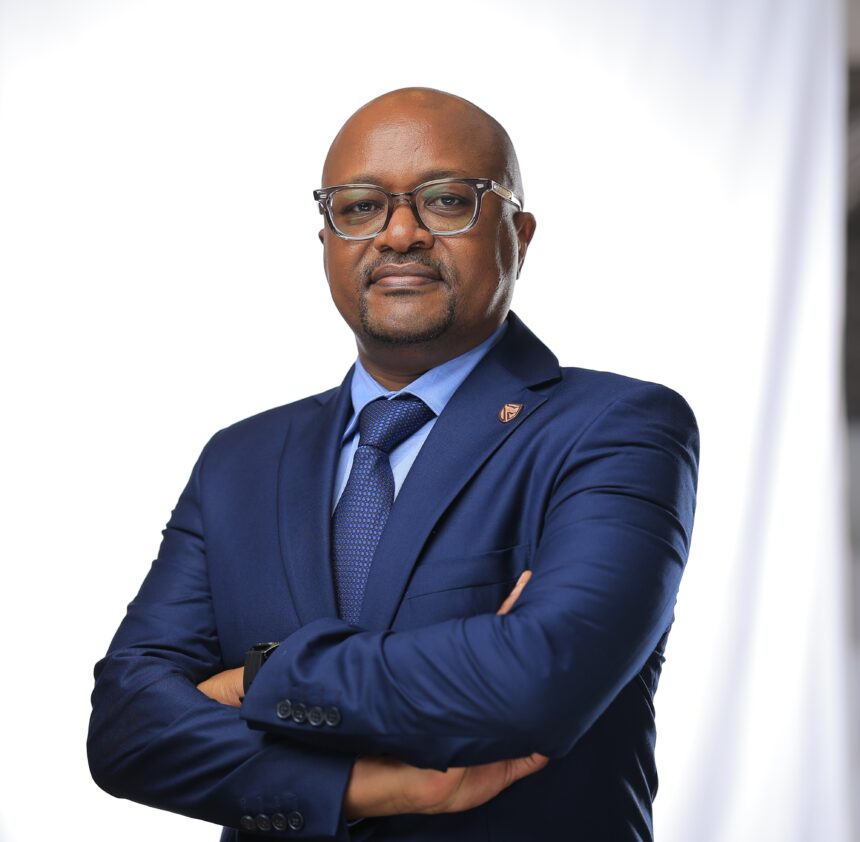
By Bethuel Karanja
From Washington to Beijing, the global economic weather is turning unpredictable. Trade rules that once anchored international commerce are fraying under the strain of protectionism, geopolitical rivalry and economic nationalism.
For a small, open economy like Uganda’s deeply plugged into global commodity markets, capital flows and donor financing these global tremours are not abstract. They shape growth prospects, currency stability and fiscal choices at home.
The world economy is slowing. Global growth is projected at just 2.7 percent in 2026, weighed down by weak investment and long-running structural constraints.
The International Monetary Fund offers a more sanguine view, forecasting growth of 3.3 percent in 2026 and 3.2 percent in 2027, arguing that technology investment particularly artificial intelligence alongside supportive fiscal and monetary policies and private-sector adaptability, could offset the drag from trade fragmentation.
Implication for Uganda
Uganda, for now, appears to be defying the gloom. Economic growth is running above six percent, supported by strong coffee demand, rising diaspora remittances, elevated gold prices and sustained investment in the oil and gas sector.
This resilience has been reinforced by disciplined macroeconomic management. The Bank of Uganda has maintained price stability, keeping inflation among the lowest in Africa while limiting excessive foreign-exchange volatility. But resilience should not be confused with immunity.
Against a backdrop of intensifying geopolitical tensions and a retreat from multilateralism, the more relevant question is not whether Uganda is performing well today but how durable this performance will be, and what policy choices will determine the outcome.
The risks are evident. Uganda remains exposed to sudden US dollar volatility and global supply-chain disruptions. Compliance with the European Union’s new coffee traceability regulations poses near-term challenges for exporters. Structural constraints persist infrastructure gaps, a relatively high public-debt burden, climate-sensitive rain-fed agriculture, a high-cost business environment and stubbornly high youth unemployment.
All these factors will be up for discussion at the Stanbic Bank Uganda annual Economic Forum scheduled for February 12, 2026. This year’s theme Uganda’s Inflection Point: Competing in a Rewired Economy reflects a recognition that global shifts are no longer cyclical but structural.
In 2022, aggressive US Federal Reserve tightening strengthened the dollar and strained African sovereign balance sheets. Ghana defaulted. Uganda did not, underscoring the importance of debt composition and prudence.
In 2023, Western trade restrictions on Chinese exports triggered retaliatory controls on rare-earth minerals, revealing the fragility of global supply chains critical to technology, green energy and defence.
By 2024, Uganda was grappling with suspension from AGOA as the global system tilted decisively away from multilateralism toward unilateral and bloc-based arrangements an emerging paradigm likely to define 2026 and beyond.
Oil factor
Yet even then, analysts forecast that rising coffee output could support a multi-year strengthening of the Uganda shilling. The 2025 forum sharpened this narrative further, highlighting the fragmentation of the “global village” into competing regional blocs. For Uganda, this shift is not purely a threat.
Exporters are already exploiting opportunities under the African Continental Free Trade Area, underscoring the strategic importance of regional integration to achieve scale, lower costs and reduce vulnerability to distant markets.
Discussions at the summit will be enriched by insights from experts such as Jibran Qureishi, Head of Africa Research at Standard Bank Group, who will situate Uganda’s experience within broader continental and global trends helping policymakers and businesses alike navigate uncertainty while identifying opportunity.
One clear trend is the decline in Official Development Assistance, as traditional donors redirect resources to domestic priorities, including the protracted war in Ukraine. The implication is greater reliance on domestic borrowing.
To its credit, government has avoided costly Eurobond issuances, favouring concessional financing. Looking ahead, anticipated oil revenues could help narrow the fiscal deficit, which has widened to 7.5 percent of GDP from five percent three years ago.
Experts will weigh-in on what must fill the gap left by retreating donor funds: higher domestic savings, deeper capital markets, and stronger manufacturing and industrial capacity. When businesses thrive, tax revenues follow creating a virtuous cycle of investment and growth.
Crucially, growth must be inclusive. Supporting women, youth and farmers the bank’s favoured constituencies, and expanding formal entrepreneurship, is not social policy alone; it is economic strategy. Strong domestic linkages raise productivity, create jobs and anchor value addition.
Uganda’s Tenfold Growth Strategy to build a $500 billion economy through agro-industrialisation sets an ambitious direction. The harder task lies in execution.
Conversations that bring policymakers, financiers and producers into the same room help translate strategy into implementable action. As a subsidiary of Standard Bank Group, Africa’s largest lender by assets, Stanbic Bank believes that effective public-private partnerships will be central to unlocking Uganda’s next phase of growth.
In a world of fractured trade and heightened risk, coordination not complacency will determine whether Uganda merely weathers global chaos or converts it into opportunity.
Mr. Karanja is Head, Global Markets at Stanbic Bank Uganda
Do you have a story in your community or an opinion to share with us: Email us at Submit an Article