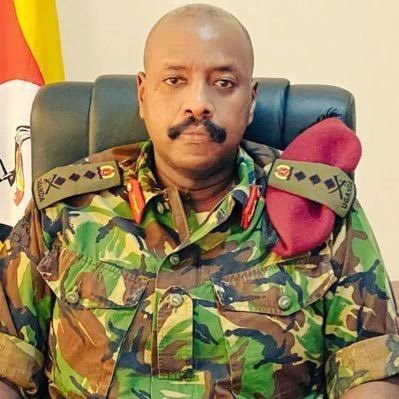
Kampala – Chief of Defence Forces Gen. Muhoozi Kainerugaba has launched the MK Fund, a Shs1 billion initiative aimed at financing viable, youth-led projects in sectors President Yoweri Museveni has long identified as critical to Uganda’s wealth creation agenda.
In a notable shift from the controversial commentary that has often dominated his social media presence, Gen. Muhoozi on February 8, 2026, unveiled the fund with a distinctly developmental tone. He revealed that the initiative would initially start at Shs500 million, before he personally topped it up to Shs1 billion, signaling both commitment and urgency.
The MK Fund, according to Gen. Muhoozi, will support only “projects that make sense” and will be professionally managed by administrators yet to be named. He pledged structured oversight, proper management systems, and annual accountability, responding to public concerns about sustainability and governance.
In a follow-up post on X, Muhoozi clearly defined the fund’s scope:
“We shall only invest in the four areas Mzee has identified for wealth creation: (1) Commercial agriculture; (2) Manufacturing; (3) Mining; (4) Services including tourism and ICT.”
This clarity places the MK Fund squarely within President Museveni’s long-standing economic philosophy, which prioritizes production, value addition, job creation, and household income growth over scattered or consumptive spending. By ring-fencing resources to these four pillars, the initiative signals discipline and strategic intent—two elements often missing in youth-targeted funding programs.
Each of the four sectors carries strong multiplier effects. Commercial agriculture strengthens food security and exports; manufacturing accelerates industrialization and value addition; mining promotes beneficiation of Uganda’s natural resources; and services—particularly tourism and ICT—drive innovation, foreign exchange earnings, and digital economy growth. For young entrepreneurs, the focus shifts from handouts to building sustainable, scalable enterprises.
Reaction on X was largely enthusiastic, especially among supporters of the Patriotic League of Uganda (PLU) and Muhoozi’s wider following. Many hailed the fund as timely for young people with viable ideas but limited access to capital.
PLU General Secretary and MP Daudi Kabanda welcomed the move, noting that Gen. Muhoozi had clearly instructed his followers to “tow the line of Mzee” in advancing Uganda’s development agenda. Minister of State for Youth Balaam Barugahara echoed similar sentiments, observing that many young Ugandans are “rich in ideas but poor in capital,” and said the fund could unlock long-suppressed potential.
Almost immediately, supporters began pitching project ideas online—ranging from avocado farming and agro-processing ventures to tourism investments, ICT content creation, and small-scale manufacturing, particularly in underserved regions such as Northern Uganda. One supporter declared: “Very good next president—millions are going to gain from the MK Fund.” Others sought clarity on whether the fund would support only startups or also help scale existing businesses.
While enthusiasm dominated the conversation, a few voices raised constructive concerns. These included calls for improved rural internet connectivity to support ICT ventures, lower taxes on agricultural machinery, and strict vetting mechanisms to avoid the failures that have plagued some past investment schemes. A handful of skeptical comments questioned governance and transparency, though these remained a minority amid broad optimism.
As Uganda grapples with youth unemployment, economic diversification, and mounting pressure for inclusive growth ahead of 2026, the MK Fund stands out as a bold and practical intervention. Its close alignment with Museveni’s wealth creation blueprint gives it ideological coherence, while Gen. Muhoozi’s indication that he will personally chair the fund underscores high-level commitment.
Watchdog Uganda welcomes the focus on productive sectors but emphasizes that execution will be decisive. Clear eligibility criteria, transparent selection processes, equitable regional distribution, and strong safeguards against misuse will determine whether the MK Fund fulfills its promise. If implemented with integrity and professionalism, the initiative could become a model for youth economic empowerment—and a significant investment in Uganda’s future.
Do you have a story in your community or an opinion to share with us: Email us at Submit an Article