KAMPALA – The Ministry of Local Government has unveiled a new five-year strategic direction (2026–2030) aimed at strengthening service delivery, local revenue mobilisation, and decentralised governance across Uganda, as government seeks to improve the performance of districts, municipalities, and lower local governments.
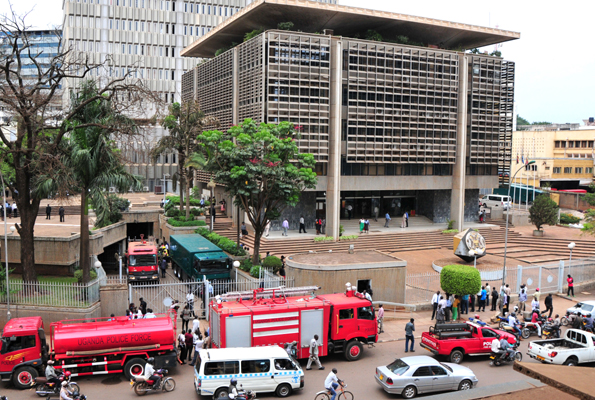
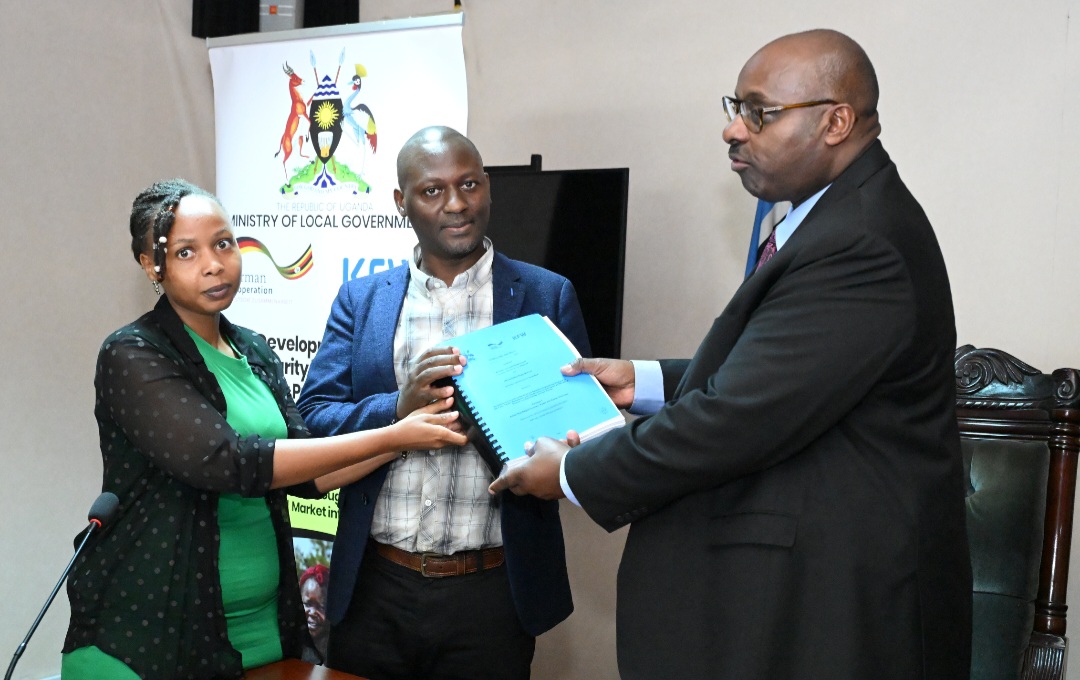
The priorities were announced on Monday, February 9, 2026, during a briefing at the Ministry headquarters in Kampala, where senior officials outlined reforms designed to address long-standing challenges affecting local government efficiency, fiscal sustainability, and responsiveness to community needs.
According to the Ministry, the new strategy aligns local government operations with national development objectives, including improved public service delivery, enhanced accountability, and increased domestic resource mobilisation. The plan is expected to guide the work of local authorities over the next five years, particularly as Uganda implements broader public sector reforms.
A major focus of the strategy is local revenue mobilisation, which government officials say is critical to reducing over-dependence on central government transfers. The Ministry intends to strengthen own-source revenue generation by expanding the use of digital revenue collection systems, improving enforcement, and eliminating leakages.
The continued rollout of platforms such as the Local Government Revenue Management Information System (LGRMIS) and the Integrated Revenue Administration System (IRAS) is expected to play a key role in this effort. These systems aim to improve transparency, accountability, and efficiency in revenue collection, while giving local governments better visibility over their financial performance.
Ministry officials noted that stronger revenue bases will enable local governments to better plan and finance essential services without frequent disruptions caused by funding shortfalls.
Improving service delivery remains the second pillar of the 2026–2030 strategy. The Ministry highlighted plans to enhance access to health services, education, water and sanitation, community roads, and other basic services that directly affect citizens’ quality of life.
Special attention will be placed on strengthening institutional capacity at district and municipal levels. This includes better induction and training of political leaders and technical staff to ensure effective planning, budgeting, and implementation of government programmes.
The Ministry acknowledged that inadequate capacity and weak coordination at local government level have, in some cases, undermined service delivery outcomes, despite increased funding from central government.
The strategy also emphasises deepening decentralisation and citizen participation, with local governments encouraged to involve communities more actively in identifying development priorities and monitoring service delivery. Strengthening planning, monitoring, and evaluation systems will be critical to ensuring accountability and results-based implementation.
Stakeholders have welcomed the renewed focus on revenue mobilisation and service delivery, noting that empowered and financially stable local governments are essential for sustainable development. Analysts observe that the reforms come at a time when Uganda is under pressure to maximise domestic resources while maintaining service standards.
As implementation begins, the Ministry of Local Government says success will depend on close collaboration between central government, local authorities, development partners, and communities to translate the strategic priorities into tangible improvements for citizens across the country.
Do you have a story in your community or an opinion to share with us: Email us at Submit an Article