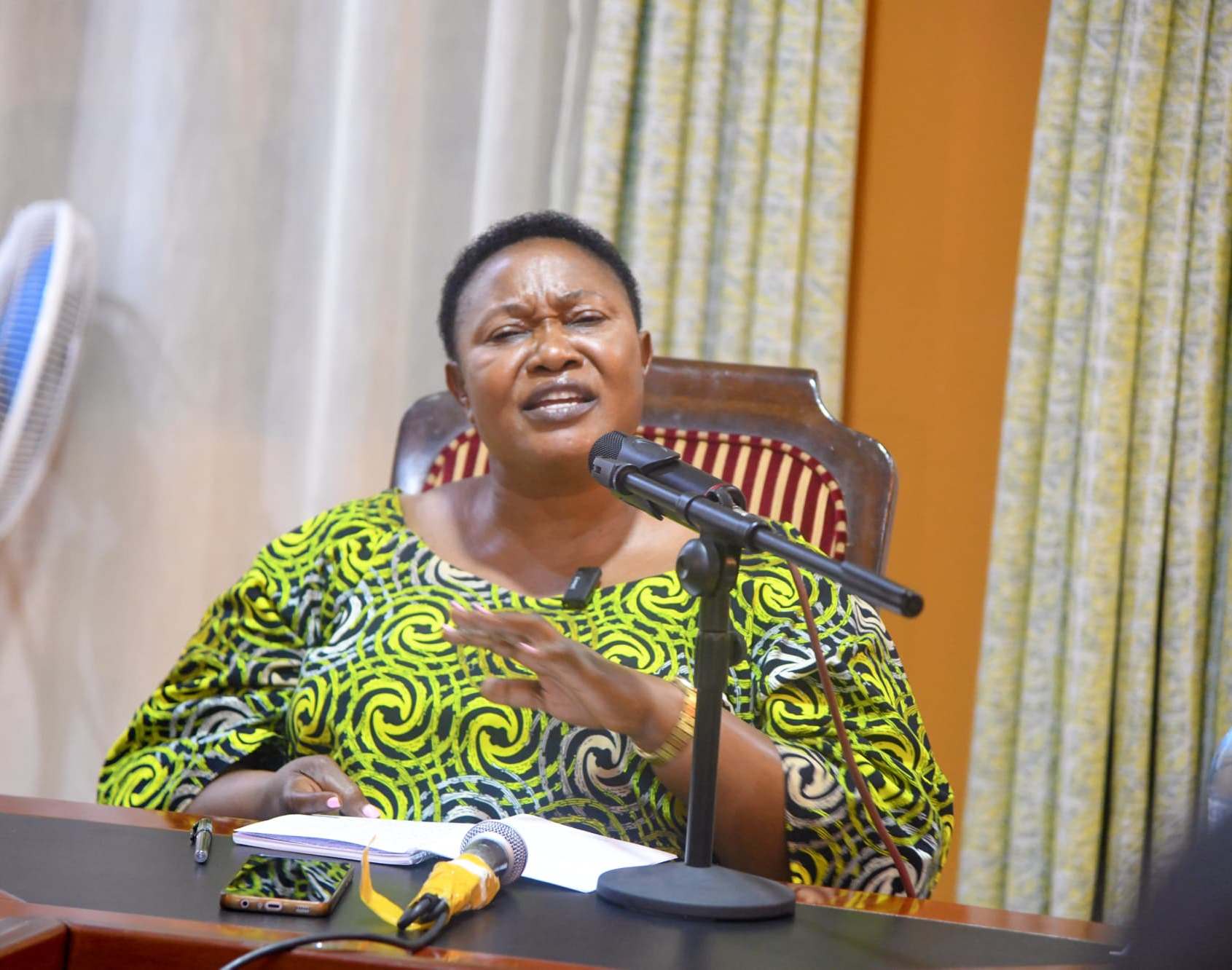

Kampala – Outgoing Kampala Deputy Lord Mayor Doreen Nyanjura has sparked widespread reflection with a raw social media post detailing the abrupt silence that follows political loss.
In her February 10, 2026, X post, which garnered over 1,200 likes and hundreds of replies within hours, Nyanjura described the sudden drop in emails, phone calls, and invitations as she prepares to exit office in May.
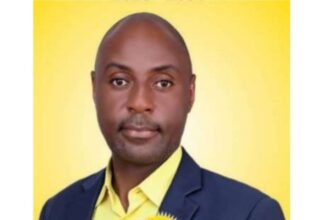
“The emails were not being sent to Nyanjura, the phone calls were not being made to Nyanjura, the invitations were not for Nyanjura,” she wrote. “They were emails, phone calls and invitations to the position that I am exiting in May!”Nyanjura, who contested the Mwenge Central parliamentary seat on the People’s Front for Freedom (PFF) ticket and lost to NRM candidate Methusela Kasukali, urged NGOs to shift focus. She called for training programs that support not only election winners but also those defeated, who often face debts, uncertainty, and emotional wounds.
“Society loves walking and moving alongside winners, no matter how they won,” she observed. “Very few people care about ‘losers’ that are largely nursing wounds of defeat… the future seems bleak.”
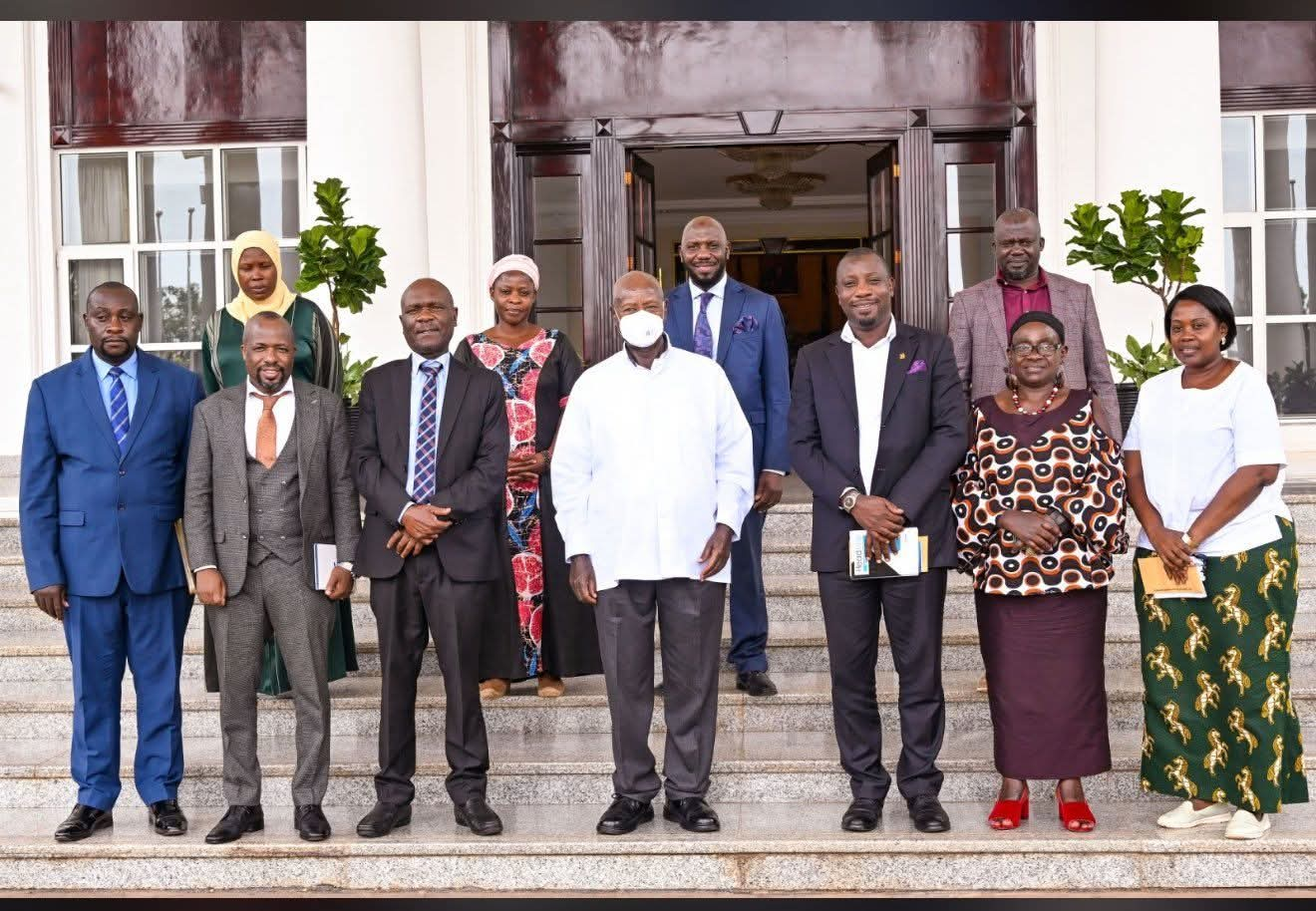
She also critiqued defeated politicians who sought solace at a February 7 State House meeting with President Museveni, dismissing it as the wrong place for genuine recovery.
Reactions: Empathy Mixed with Political Reality
The mood of reactions on X has been largely empathetic and relatable. Many users shared similar experiences of post-election isolation, with light-hearted offers to call or support her drawing laughter and engagement. Comments like “Success has many fathers, but failure is an orphan” and reflections on the “power of the office” echoed her sentiments, showing broad resonance across party lines. A few replies carried political jabs or sarcasm, but the dominant tone was supportive, with users acknowledging the harshness of Uganda’s winner-takes-all political culture.
A Meditation on Human Behaviour
Nyanjura’s words reveal a mind processing loss with clarity and quiet defiance. She distinguishes her personal identity from the temporary power of office, rejecting the illusion that attention was ever truly personal. This points to a profound insight into human behaviour: relationships in politics are often transactional and status-driven. People flock to winners for proximity to influence, resources, or prestige — a classic display of social proof and opportunism — only to withdraw when status fades. Her call for NGO support for “losers” reflects advocacy rooted in empathy and systemic thinking, while her dismissal of the State House visit suggests ideological consistency and wariness of performative reconciliation. Beneath the vulnerability lies resilience: by speaking publicly, she reclaims agency, challenges the stigma of defeat, and highlights how societies undervalue the emotional and financial toll on the defeated.
Nyanjura’s reflection exposes a universal truth — electoral politics amplifies conditional loyalty and status anxiety. In Uganda’s polarized landscape, her honesty invites deeper conversation about building political cultures that value service over power and support all participants, not just victors.As she transitions from office, Nyanjura’s post stands as both personal catharsis and a timely critique of how power shapes — and abandons — human connections.
Do you have a story in your community or an opinion to share with us: Email us at Submit an Article