
The intersection of music and gang culture has become increasingly evident, with many artists both local and international either embracing or inadvertently reflecting the gritty realities of street life in their lyrics and personas.
From controversial music videos glamorizing violence to real-life altercations spilling onto social media, the industry’s image has shifted, sparking debates about accountability and influence. Fans are left questioning whether the industry is nurturing authentic expression or perpetuating cycles of conflict.
While some argue that such themes are a reflection of the harsh realities many artists face, others believe the industry is walking a precarious path that glorifies violence over artistry. The thin thread connecting music and gang culture has become a double-edged sword propelling some to fame while dragging others into dangerous cycles of retaliation and loss of lives.
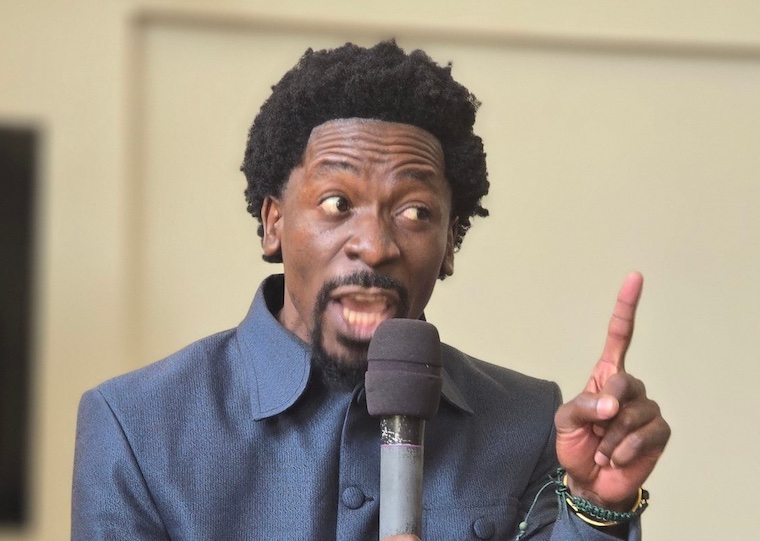
Over the past few weeks in Uganda, musician Patrick Mulwana, commonly known as Alien Skin, has evoked nostalgia for the infamous Fire Base Crew. This crew, which operated like a parallel government with its “president” and “cabinet,” was a no-nonsense group led by “the then Bobi Wine from Kamwokya.” Now, I can say Bobi Wine got “saved” when he transitioned into the politics of the Babylon System he once despised. Today, we have “Bobi Wine from Magere, who has temed his army to behave.
However, before delving into the history of gangs and music in Uganda, one might wonder: how did gang culture infiltrate the music scene, becoming so prominent that it has overshadowed and even stifled talents in the industry?
In the 1970s, across most African countries, music and gang culture remained separate. Music was purely about art, while gangs formed their own crews, similar to the cartels we see in Mexico today. However, over the past seasons, the story has unfolded differently.
Here’s the edited and corrected version of your text for improved grammar and clarity:
How Did It Begin?
Gangster culture in music is a cancer that has brought both advantages and disadvantages to the music industry worldwide. This culture has left the industry in shambles and can be traced back to black movement activists such as Marcus Mosiah Garvey Jr., who influenced musicians like Bunny Wailer, Robert Nesta Marley (aka Bob Marley), and Winston Hubert McIntosh (aka Peter Tosh). In Africa, we had Lucky Dube.
Of the four, the gangster persona was most evident in Peter Tosh, who went as far as crafting a guitar in the shape of a gun. The M16 rifle Stratocaster guitar became Tosh’s symbol, representing resistance and rebellion. His lyrics empowered people from Jamaica to Africa, urging them to fight for their freedom rather than passively submit to oppressive authority.
Tosh was a Rastaferia who just wanted peace and equal rights. Although he experienced more oppression than his peers, his defiant, militant nature was always evident in his music, fueled by his disdain for white supremacy. When reggae music evolved into the dancehall genre, producing icons like Buju Banton, the gangster persona became less explicit, manifesting only subtly in the lyrics.
The full-blown emergence of gangster culture in music was vividly witnessed in the 1980s, when African Americans from the streets of the United States began using the microphone to express their pain and struggle they had endured after 200 years of oppression. This cultural wave spread like wildfire.
Before this era, the US had African American musicians like Ray Charles, who was regarded as a musical genius, who revolutionized popular music by blending blues, gospel, R&B, and jazz. Similarly, Benjamin Earl King and others produced soulful music. While their songs were brilliant, one could argue they did not fully represent the raw pain and struggles of the black experience in America.
In the late 1980s, a new breed of music was born: rap music. This genre became a clear expression of black power and a powerful channel for black people to articulate their pain, as it was intertwined with themes of violence and struggle. Why? Because the lyrics of gangster rap music are deeply rooted in black history and culture. This music embodies the attitudes and distinctions between inner-city minority youth and their suburban, middle-class white counterparts.
Gangster rap’s attitudes often reflect anarchy and rebellion against established social norms and figures of authority. To truly understand the gang mentality, one must analyze the lyrical content of gangster rap, which offers raw insight into the struggles of marginalized communities.
Jesse Bonds Weaver Jr., better known by his stage name Schoolly D, is widely regarded as the first rapper to craft lyrics reflecting urban realism, violence, and sexual bravado. Schoolly D’s work paved the way for icons like Tupac Amaru Shakur, The Notorious B.I.G., Snoop Dogg, DMX, and Dr. Dre. Many of these artists came from the streets and had endured immense suffering.
This environment often fueled rivalries, or “beefs,” which tragically cost the lives of some, such as Tupac, The Notorious B.I.G., Seagram, and G-Slimm. More recently, Nipsey Hussle also fell victim to gun violence.
To this day, it is difficult to separate rap music from gangster culture, as it is embedded in the DNA of the genre. However, this connection is a direct result of systemic oppression and the struggles endured by black communities under the weight of white supremacy.
The Gangster Culture in Uganda’s Music Industry:
From the 1960s to the 1990s, Uganda had a host of exceptional musicians, including Christpher Ssebaduka, Elly Wamala, Paul Kafeero, Hamman Basudde, and Fred Ssebatta, among others. While some of these artists had notable rivalries, such as the one between Basudde and Kasozi (both now deceased), their conflicts were expressed through hostile lyrical battles rather than physical altercations. The music industry then thrived on talent, with audiences enjoying the artistry without the interference of violence.
However, in the 2000s, as Country (Kadongo Kamu) and band music began losing their audiences, consumers shifted their attention to Ragga and Dancehall music. This transition brought three prominent figures to the forefront: Bebe Cool, Jose Chameleone, and Bobi Wine. Their emergence significantly transformed the industry, coinciding with global trends that made it easy for them to emulate the personas of musicians from the US and Jamaica, especially those in similar genres.
This era marked the introduction of open rivalries in Ugandan music. Fans got divided since they had begun to witness intense “beefs,” complete with gang-like groups serving as bodyguards, a style reminiscent of the feuds between Tupac Shakur and The Notorious B.I.G. In the 2000s, these rivalries intensified, leading to the formation of artist-led crews. Bobi Wine founded Fire Base, Chameleone established Leone Island, and Bebe Cool created Gagamel.
Among these groups, Fire Base became infamous for its aggressive behavior, often targeting individuals who defied its leader’s orders. During one of the end-of-year celebrations at Lubiri, members of the Fire Base Crew reportedly attacked Bebe Cool, the leader of Gagamel.
For over 20 years, the trio of Bebe Cool, Chameleone, and Bobi Wine has dominated Uganda’s music industry, fostering its growth and nurturing new talent. However, the rivalries, particularly between the Gagamel and Fire Base Crews, remain deeply rooted and continue to shape the industry’s dynamics.
Uganda’s music industry seems to be echoing the turbulent 1970s, when politicians exploited Bob Marley’s fame to sow discord between him and his longtime brothers, Bunny Wailer and Peter Tosh. Today, a similar pattern is emerging in Uganda as politicians leverage rivalries among musicians to serve their agendas, deepening divisions and fueling chaos.
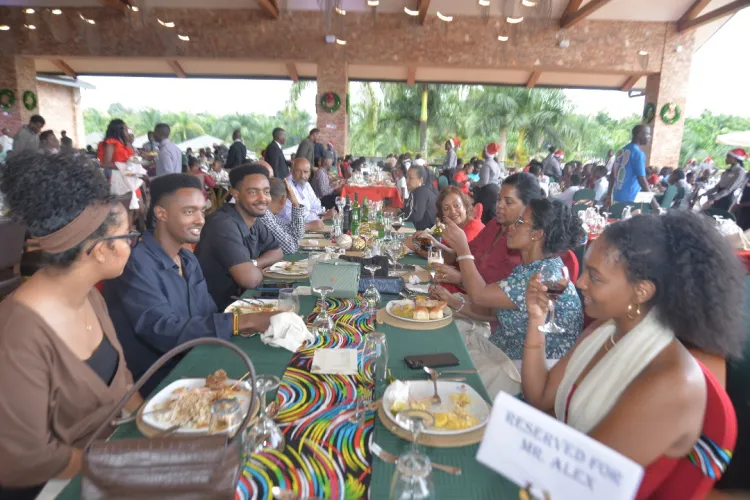
In the current landscape, having a gang commonly referred to as “e’gaali” has become a status symbol for many musicians. Talent alone often takes a backseat, as these gangs instill fear and demand respect, regardless of the artist’s musical abilities. The Fangone Forest gang, led by Alien Skin, has particularly solidified its dominance. A recent example occurred during the End-of-Year Nkuka celebration, where the gang played the role of protectors for Bebe Cool, the leader of the Gagamel Crew. Not only did they shield him from any hostility during the event, but they also escorted him safely to his home.
This incident sent a powerful message about the influence of such groups. However, it also underscored a growing menace. Gangs like Fangone Forest have instilled fear among ordinary Ugandans, and even the police are sometimes hesitant to confront them. Their loyalty to their leader often leads to unchecked actions, reinforcing their notoriety.
While these gangs may keep their associated musicians in the headlines, their actions are eroding the essence of music as an art form.
What happened at the Nkuka celebration, where Fangone’s so-called “soldiers” flooded the stage to protect their leader, is a clear departure from what music should represent. Gangs do not make music attractive; instead, they create social divisions, intimidate audiences, and tarnish the industry’s image. This is one of the reasons why wealthier individuals often shy away from investing in Uganda’s music industry; they see it as a hub for hooliganism rather than a platform for artistic expression.
This chaotic environment is ripe for exploitation by politicians, who use these gangs to advance their interests, whether by inciting violence or spreading propaganda. For example, the current tension between Fangone Forest and the Fire Base Crew highlights how these rivalries can easily be weaponized.
Looking at the roots of this culture in the US and Jamaica, the consequences are clear. Gang affiliations in the music industry often lead to increased drug use, moral decay, and violent confrontations, with many artists or their associates ending up in prison. Armed gangs tied to musicians pose a significant threat to public safety, creating a volatile environment that mirrors these international precedents.
In Uganda, the government and political players seem to be realizing the utility of these gangs for advancing their agendas. By exploiting these groups, they sow division, incite chaos, and distract from pressing national issues. If left unchecked, this dangerous intertwining of gang culture and politics could irreparably harm the music industry and society at large.
For the sake of Uganda’s music craft and social cohesion, it’s imperative to address this rising tide of gang influence before it escalates further. Music should unite, inspire, and reflect the best of a nation not serve as a battleground for rivalries and political manipulation.
Do you have a story in your community or an opinion to share with us: Email us at Submit an Article