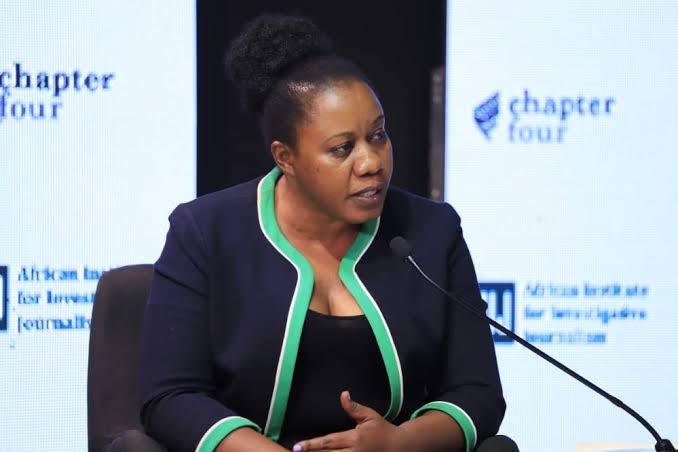
Prominent human rights lawyer and civic activist Dr Sarah Bireete has been granted bail by the Buganda Road Chief Magistrate’s Court, nearly a month after her arrest and remand over allegations linked to the unlawful acquisition and disclosure of voters’ personal data.
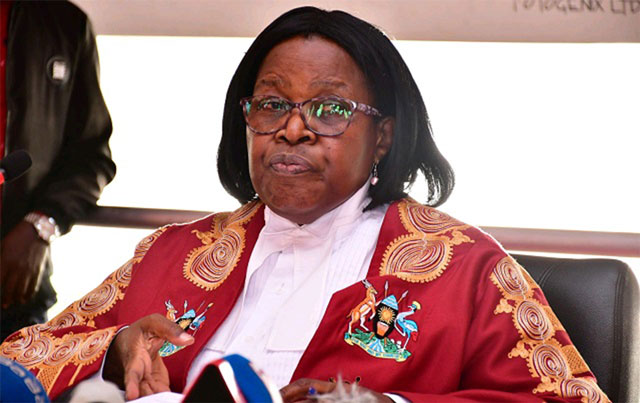
On Wednesday, Chief Magistrate Winnie Nankya Jatiko ordered Bireete’s release on a cash bail of Shs1 million. She was also required to present two sureties, each bonded at Shs10 million non-cash. As part of the bail conditions, the court directed her to surrender her passport and barred her from leaving Uganda without express court permission. The case was adjourned to February 27, 2026, for further hearing.
Bireete was arrested on December 30, 2025, and charged with offences related to the alleged unauthorised access to and sharing of information from the national voters’ register. Prosecutors claim the data was obtained or disclosed without clearance from the Electoral Commission, contrary to electoral and data protection laws. Bireete has strongly denied the allegations.
Her arrest and continued detention drew widespread criticism from civil society organisations, legal experts and human rights defenders. Critics described the charges as politically sensitive and raised concerns about due process, particularly in the tense post-election period following the January 2026 general elections.
The 49-year-old is the Executive Director of the Centre for Constitutional Governance (CCG) and a well-known advocate for constitutionalism, electoral accountability and civic participation. She has been actively involved in election observation, governance monitoring and regional civic engagement initiatives, earning both praise and scrutiny for her outspoken views.
During the bail hearing, her lawyers argued that Bireete is a law-abiding citizen with a fixed place of residence and no history of absconding from court. They said the offences she faces are bailable and that her continued detention was unjustified. The prosecution did not strongly oppose bail but asked the court to impose strict conditions, citing the international nature of her work and the risk of absconding.
Civil society groups have welcomed the granting of bail but maintain that the case highlights a worrying trend of criminalising civic activism and shrinking democratic space. Several organisations warn that using criminal law against election observers and governance advocates sets a dangerous precedent.
As the case proceeds, observers say it will be closely watched as a test of Uganda’s commitment to civil liberties, judicial independence and the protection of human rights defenders in an increasingly polarised political climate.
Do you have a story in your community or an opinion to share with us: Email us at Submit an Article