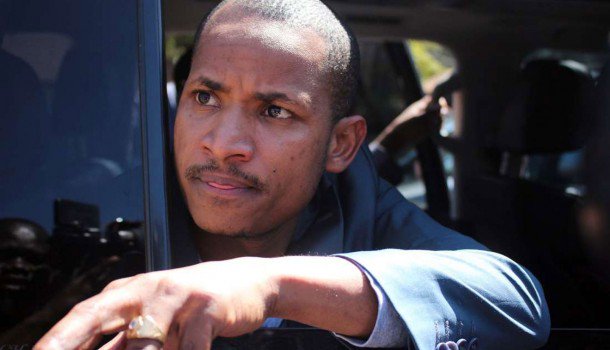
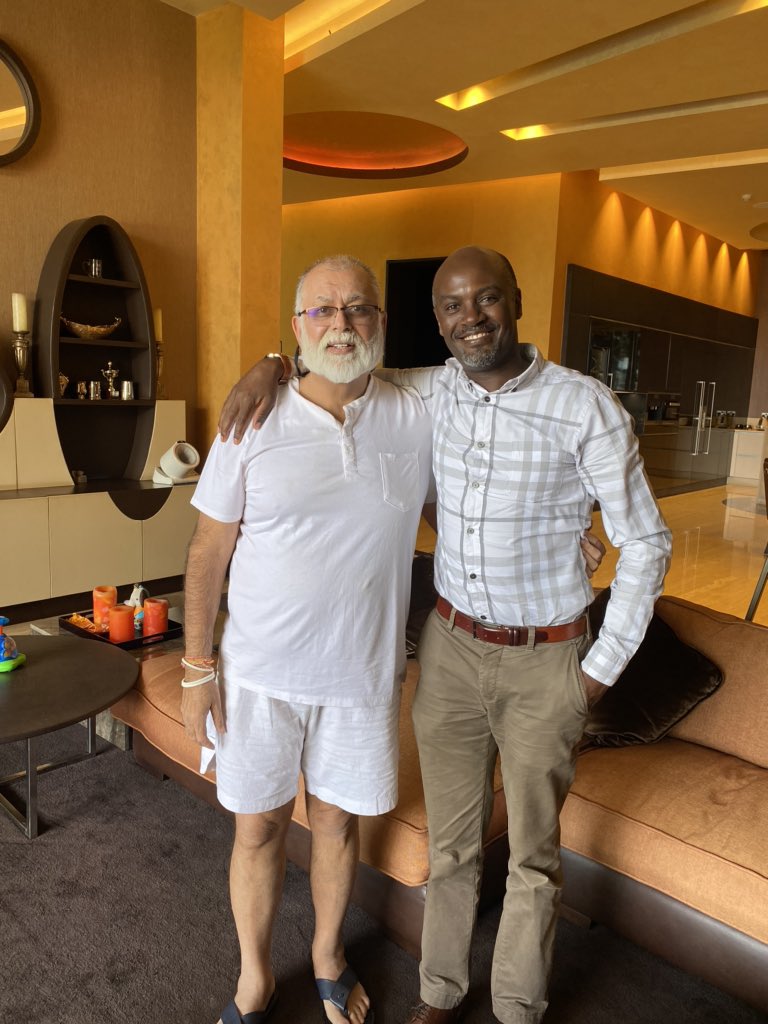
Kampala, Uganda | — A resurfaced video clip of veteran journalist Andrew Mwenda has ignited fresh debate on social media after he openly acknowledged his close personal and financial ties to businessman Sudhir Ruparelia, particularly in relation to the defunct Crane Bank.
In the widely circulated clip, shared by Galaxy TV on X (formerly Twitter), Mwenda remarks: “When Sudhir owned a bank, I also owned the bank… when he lost the bank, I also lost the bank.”
The comment, delivered in a candid tone, has drawn mixed reactions online. Some users responded with humor and sarcasm, while others questioned the implications of such closeness between prominent media figures and powerful business interests. The exchange reflects broader public scrutiny over elite networks within Uganda’s media and corporate spheres.
Background to the Crane Bank Collapse
Founded in 1995, Crane Bank grew to become one of Uganda’s leading indigenous commercial banks before its dramatic takeover by the Bank of Uganda in October 2016. The central bank cited undercapitalization and regulatory concerns as grounds for placing the institution under statutory management.
In January 2017, Crane Bank’s assets and liabilities were transferred to DFCU Bank in a transaction that has since been the subject of legal and public controversy.
The matter triggered protracted legal battles between shareholders of Crane Bank and the central bank. In 2019, a lawsuit filed by the Bank of Uganda against Ruparelia was dismissed by court, with costs awarded against the central bank. Subsequent court proceedings, both locally and internationally, have examined various aspects of the transaction and its compliance with due process.
Mwenda’s Role and Public Debate
Mwenda has consistently defended Ruparelia and criticized the Bank of Uganda’s handling of the takeover, arguing that due process was not fully observed. His critics contend that his public advocacy, coupled with his acknowledged personal ties, raises legitimate questions about journalistic independence and conflict of interest. Supporters, however, argue that Mwenda’s stance reflects loyalty and his interpretation of the facts surrounding the case.
At the height of the Crane Bank crisis, Mwenda was reportedly present in high-level meetings involving senior government officials, positioning himself as both commentator and participant in discussions around the matter.
Renewed Calls for Transparency
The resurfaced video has revived public interest in the broader Crane Bank saga, which remains a reference point in discussions about financial sector governance and regulatory accountability in Uganda.
Watchdog Uganda has reached out to Andrew Mwenda and Sudhir Ruparelia for comment regarding the viral clip and its implications. By press time, no official response had been received.
As related legal proceedings continue in different jurisdictions, the Crane Bank story remains one of Uganda’s most consequential financial controversies — one whose full implications are still unfolding.
Do you have a story in your community or an opinion to share with us: Email us at Submit an Article