KAMPALA | WATCHDOG REPORT – As the three-day Tourism Plus Shanghai 2026 expo enters its final day in China’s commercial capital (March 29–31), the Uganda Embassy in Beijing is under the spotlight.
While officials have rolled out a culturally themed pavilion billed as an “immersive journey” into the country’s heritage, the core question for the Ugandan taxpayer remains: Is this a strategic investment or a bloated diplomatic holiday?
The “Vibrant” Facade
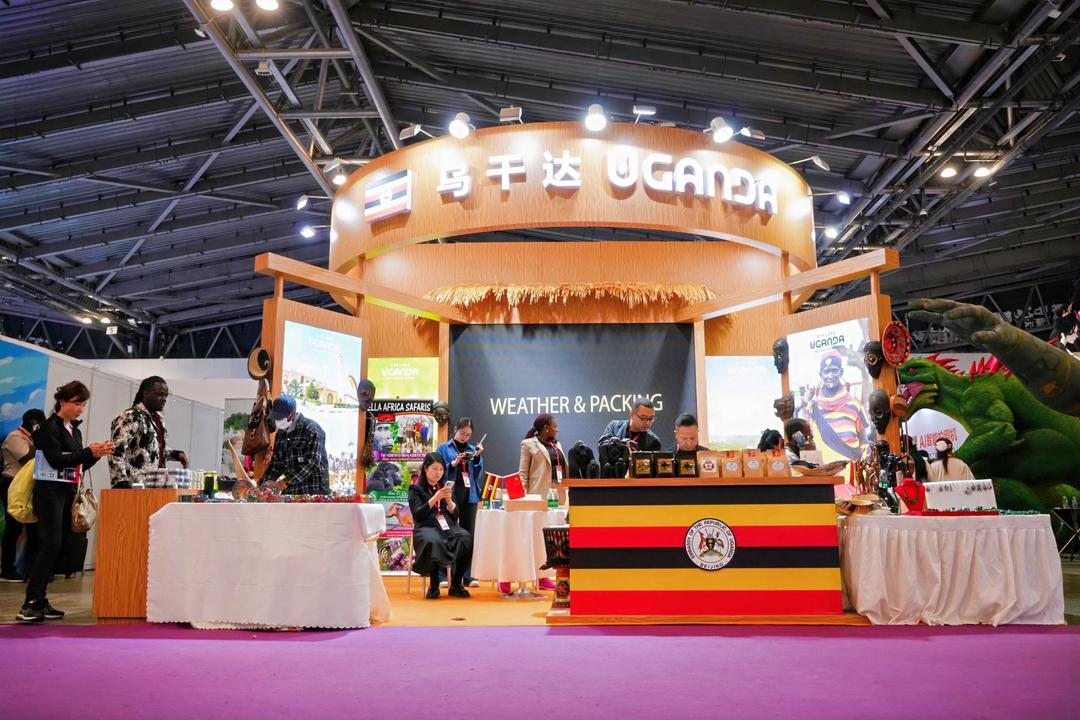
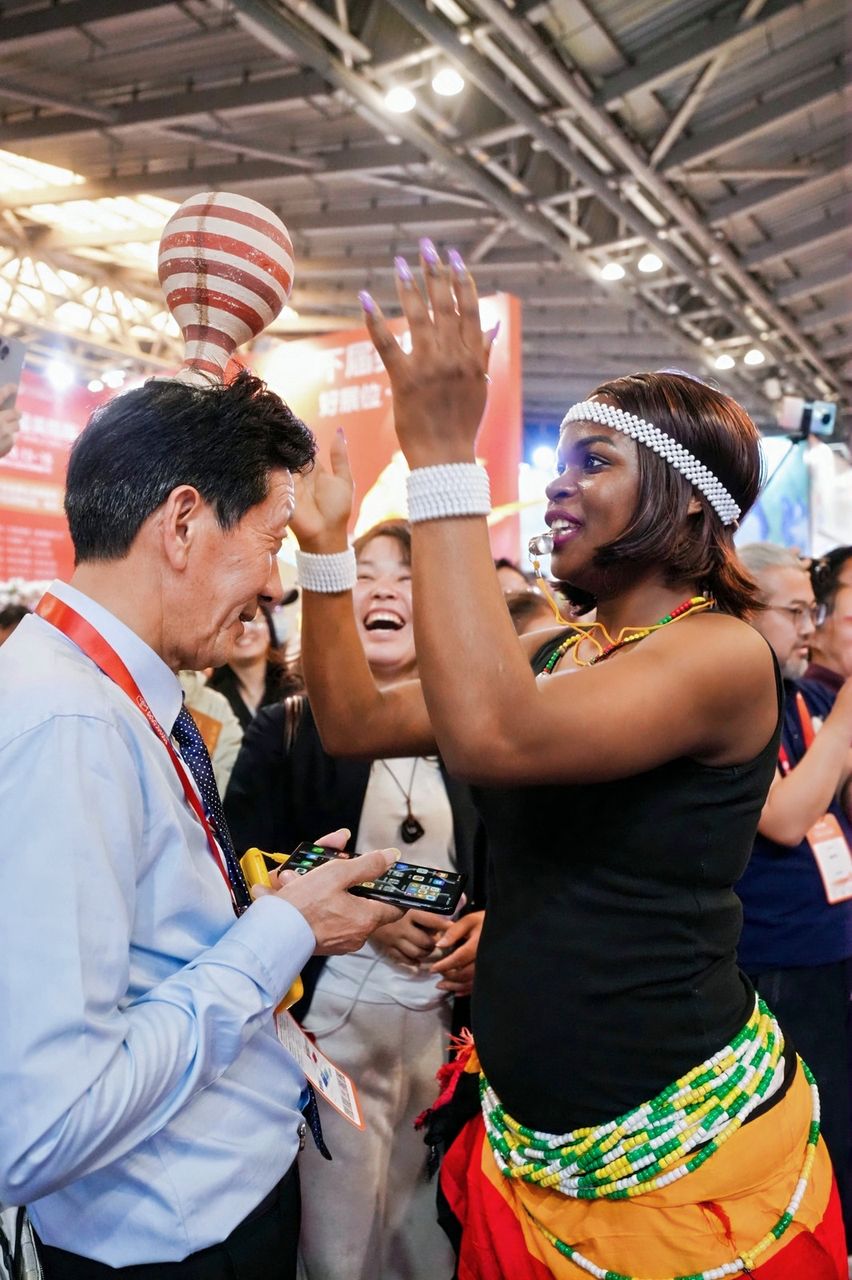
Official communications from the Uganda Media Centre describe the booth as “vibrant and strategically positioned.” The setup features traditional thatched-roof aesthetics, bilingual signage, and embassy staff in Ugandan attire engaging visitors with photo-ops. This initiative is part of Kampala’s aggressive push to tap into the Chinese outbound market—a strategy that recently saw a similar showcase at the South Asia Tourism and Travel Exchange (SATTE) 2026 in New Delhi.
The expo is undeniably massive, hosting over 6,000 exhibitors and 100,000+ new products. But as a watchdog on public resources, we must look past the “traditional drums” and ask the uncomfortable questions.
1. The Transparency Gap: What is the Bill?
Despite the glossy photos, embassy officials have remained tight-lipped about the actual budget allocated for the pavilion. From stand construction and logistics to the “per diems” of the high-level delegation, the costs are substantial.
The Watchdog View: In an era of tightening national budgets, where road maintenance in tourism hotspots and community conservation programs are underfunded, Ugandans deserve to know the Return on Investment (ROI). Diplomatic fairs must translate into hotel bookings, not just business cards.
2. Execution Failures: Spectacle Over Substance?
Early feedback from the ground hints at recurring execution gaps. Critics on social media pointed out a conspicuous, modern JBL speaker at the booth—a “culturally mismatched” detail that suggests a lack of market-specific research.
The Critique: Chinese luxury travelers expect a meticulously tailored experience. If Uganda’s promotion prioritizes “spectacle” over authentic, high-end immersion, we risk looking amateurish on one of the world’s most competitive stages.
3. The Structural Reality Check
No amount of thatched roofing can paper over the structural hurdles back home. Inconsistent wildlife security, infrastructure bottlenecks, and occasional negative international headlines continue to haunt the sector.
The Data: Official statistics show that despite years of “courting” Beijing, Chinese arrivals remain modest. Without robust follow-through—such as actual tour operator partnerships or post-expo tracking—these pavilions risk becoming expensive “ribbon-cutting” exercises.
The Verdict
The Uganda Tourism Board (UTB) and the Ministry of Tourism have repeatedly touted the Asia-Pacific region as a game-changer. Watchdog Uganda will be demanding answers on the following:
How many qualified leads were generated during these three days?
Were any binding Investment Memoranda signed?
How many Chinese tour operators actually added Uganda to their 2026/27 itineraries?
Until hard data emerges, the Shanghai pavilion remains another glossy diplomatic effort. The “Pearl of Africa” has undeniable potential, but turning expo foot traffic into sustainable foreign exchange requires strategy and accountability, not just vibrant booths and traditional attire.
Quick Facts: Tourism Plus Shanghai 2026
Dates: March 29–31, 2026
Venue: Multiple venues, Shanghai, China
Uganda’s Focus: Wildlife safaris, cultural heritage, and investment opportunities.
Recent Precedent: Similar showcase at SATTE 2026 (New Delhi).
Do you have a story in your community or an opinion to share with us: Email us at Submit an Article