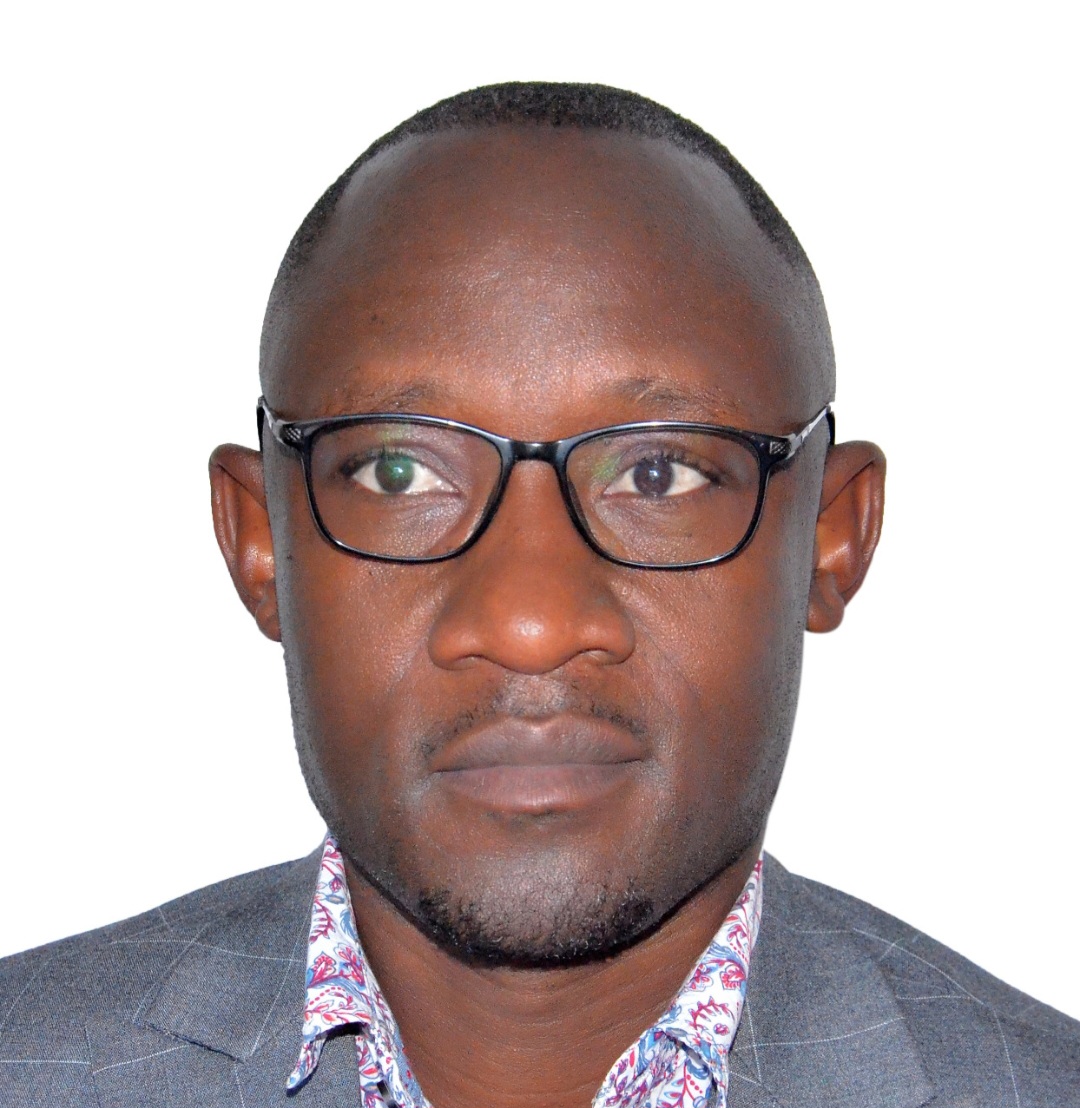
I am back with a political article, and in this one, it is all about wishing Yoweri Kaguta Museveni Tibuhaburwa the best in his next political phase, which begins after the swearing-in ceremony on Tuesday, May 12, 2026, at the Kololo Ceremonial Grounds in Kampala. Having conducted some empirical research in Karamoja and currently working and writing from a Karamoja civil society organization, let me explain why Yoweri Museveni needs to be wished well.
Samuel Meyerson (2024), writing in “State Spaces and the Struggle for Karamoja’s Future”, stated that “Karamoja remained a colony within the post colony.” What Samuel means here is that Karamoja continued to be treated as though it was still under colonial-style rule even after Uganda gained independence. In other words, the methods of control, military force, neglect, and marginalization used during colonialism allegedly continued there. This statement forms the basis of my argument for wishing Museveni well.
Museveni, in many ways, has dismantled aspects of the colonial-style rule in Karamoja. He has enabled Karimojongs to vote for their own leaders and manage their political and governance issues. According to Lubega (2017), in “Tracing History of Guns in Karamoja Sub-region”,argued that for some time the colonial administration in Entebbe decided to keep out of Karamoja, and this indeed was a disservice to the Karimojong people. However, Yoweri Kaguta Museveni has constructed a State Lodge in Karamoja and placed his representatives, the RDCs, in all districts of Karamoja. This is an indicator that Museveni has indeed shown concern for the region.
Actually, Samuel Meyerson (2024) agrees that in the years surrounding Uganda’s transition to independence, Karamoja existed in a state of conceptual limbo, caught between government administrators’ perceptions of the region. If I am to agree with other scholars about Karamoja, the truth remains that before Museveni came to power in 1986, Karamoja existed in a condition of exclusion from the state, partly by popular demand and partly by administrative design.
My critics will ask why and how. Okoth Henry Okidi (2023), writing on “How Are the Karamojong Politically Marginalised?”, stated that “The first president of independent Uganda, Dr. Apollo Milton Obote, realised that it would take time for Karamoja to catch up with the rest of the country, and he made a notorious statement during a visit to Karamoja in 1963 that, ‘We shall not wait for Karamoja to develop.’” The implication was that Obote’s government lacked the political will to develop the sub-region.
Given the developments that Yoweri Museveni and his team have undertaken in Karamoja through peace brought by disarmament, infrastructure such as roads, and other poverty eradication programmes, then he needs to be praised and wished well for the next phase. I know some peoplewill wonder why such praise, but the truth is: get something good from someone and praise it.
Ayub Mukisa, PhD
Executive Director, Karamoja Anti-Corruption Coalition (KACC)
Email: ayubmukisa@gmail.com
Do you have a story in your community or an opinion to share with us: Email us at Submit an Article