
What Awaits Masaka City Leaders in Museveni’s Seventh Term?
By Brian MugenyI
Masaka City’s newly elected leaders are stepping into office at a defining moment, with expectations high and challenges deeply entrenched. As Uganda transitions into President Yoweri Kaguta Museveni’s seventh term, the spotlight now shifts to whether local leadership can translate political victory into tangible service delivery.
Masaka, elevated to city status in 2023, remains one of Uganda’s fastest-growing urban centres, with a population approaching one million people. The recent January 15, 2026 general elections, overseen by the Electoral Commission led by Simon Mugenyi Byabakama, ushered in a new crop of leaders—many aligned to the ruling National Resistance Movement (NRM), alongside a notable opposition presence.
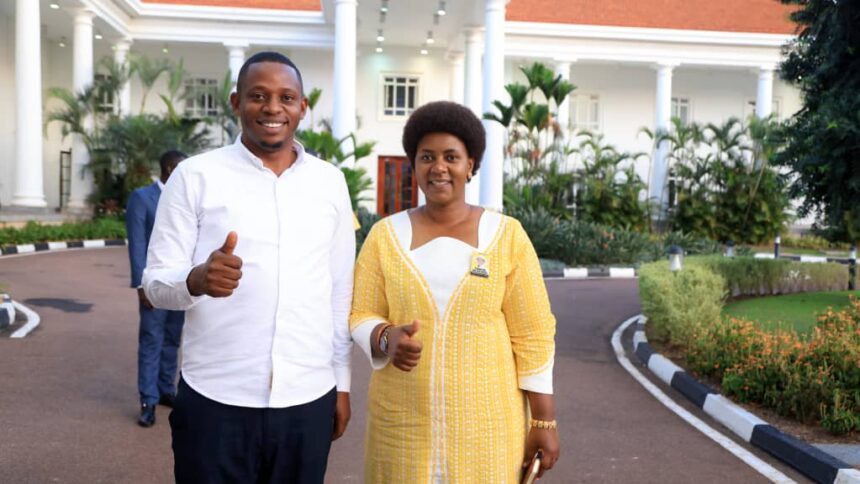
Among the standout outcomes was the re-election of Masaka City Mayor Florence Namayanja, who retained her seat, as well as victories for several NRM councillors and leaders, including Woman MP Justine Nameere, whose win followed a court-endorsed recount.
The Real Test: Service Delivery
While political alignments are now settled, the real work begins. Leaders must confront persistent urban challenges that continue to frustrate residents and stall economic growth.
Top on the list is unreliable electricity. Businesses—particularly salons, bars, and small-scale enterprises—have suffered losses due to frequent power outages, a situation many attribute to inefficiencies following the transition in power distribution management. For a city heavily dependent on SMEs, this remains a critical bottleneck.
Water scarcity is another pressing concern, especially in divisions such as Nyendo-Mukungwe and Kimanya-Kabonera. Environmental experts continue to warn that degradation of wetlands and poor conservation practices are worsening the crisis.
Infrastructure gaps—particularly poor road networks—have also persisted, affecting mobility, trade, and access to essential services.
Political Dynamics and Expectations
The NRM registered a strong showing in Masaka, securing a majority of council seats. Party leaders, including Masaka City NRM Chairperson Rogers Bulegeya, have attributed this success to coordinated mobilisation and grassroots engagement.
Bulegeya has since called for unity among leaders, urging them to prioritise service delivery over political differences. He has also pushed for structured dialogue between local stakeholders, business leaders, and government to address long-standing challenges.
Meanwhile, newly elected Kimanya-Kabonera Division Mayor Moses Mulinde faces immediate pressure to deliver. His constituency grapples with high taxation concerns, land disputes, and demands for improved social services.
Government Programs: Opportunity or Test?
Central government programmes such as the Parish Development Model (PDM) and Emyooga are expected to play a key role in transforming household incomes. President Museveni has consistently positioned these initiatives as tools for grassroots economic empowerment.
In Masaka, sections of the population—especially youth groups engaged in piggery, poultry, and coffee farming—have already benefited from PDM funds. However, questions remain about sustainability, accountability, and long-term impact.
The challenge for local leaders will be ensuring these programmes move beyond disbursement and translate into real economic transformation.
The Road Ahead
As swearing-in ceremonies approach, Masaka’s leaders inherit both political goodwill and a heavy burden of expectation. The electorate will be watching closely—not for rhetoric, but results.
From fixing roads and stabilising electricity to tackling unemployment and improving urban planning, the next five years will define whether Masaka’s city status becomes a story of progress—or a missed opportunity.
For now, the message from residents is clear: leadership must work.
Do you have a story in your community or an opinion to share with us: Email us at Submit an Article