The Secretary Office of the President, Hajji Yunus Kakande has implored Resident District Commissioners (RDCs) to ensure effective implementation of national priorities at the grassroots.
“Your responsibilities are clearly provided for in the 1995 Constitution of the Republic of Uganda as amended and relevant administrative frameworks that guide the work of government. Among your core mandates is the responsibility to monitor government programs and projects to ensure that public resources allocated to districts are utilized efficiently and that services reach the intended beneficiaries,” he said.
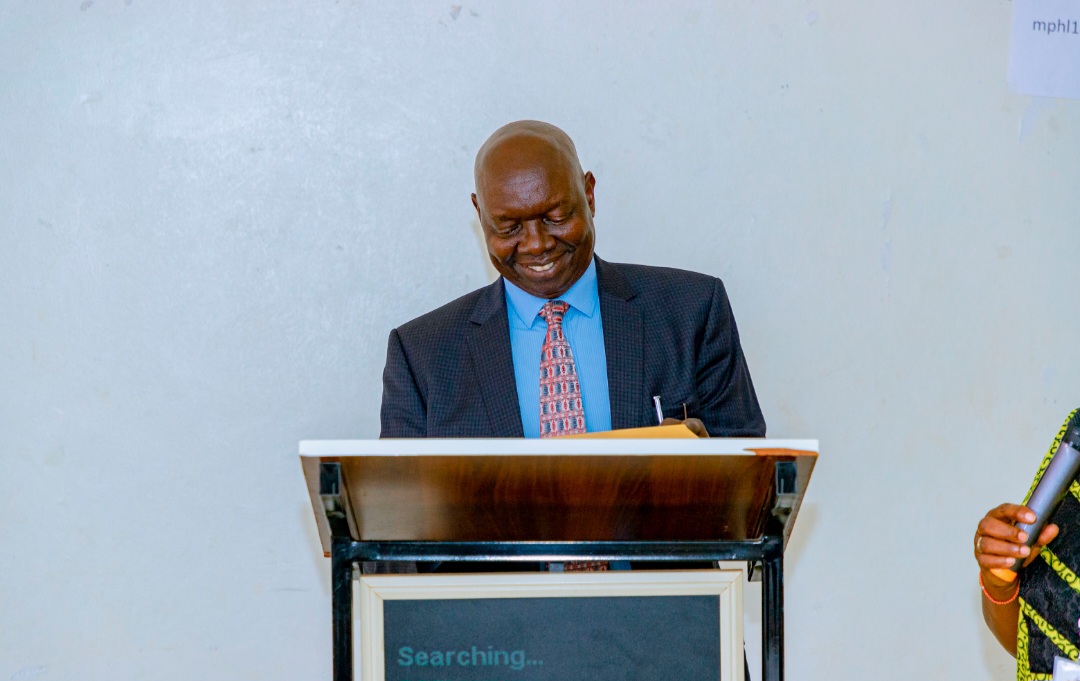
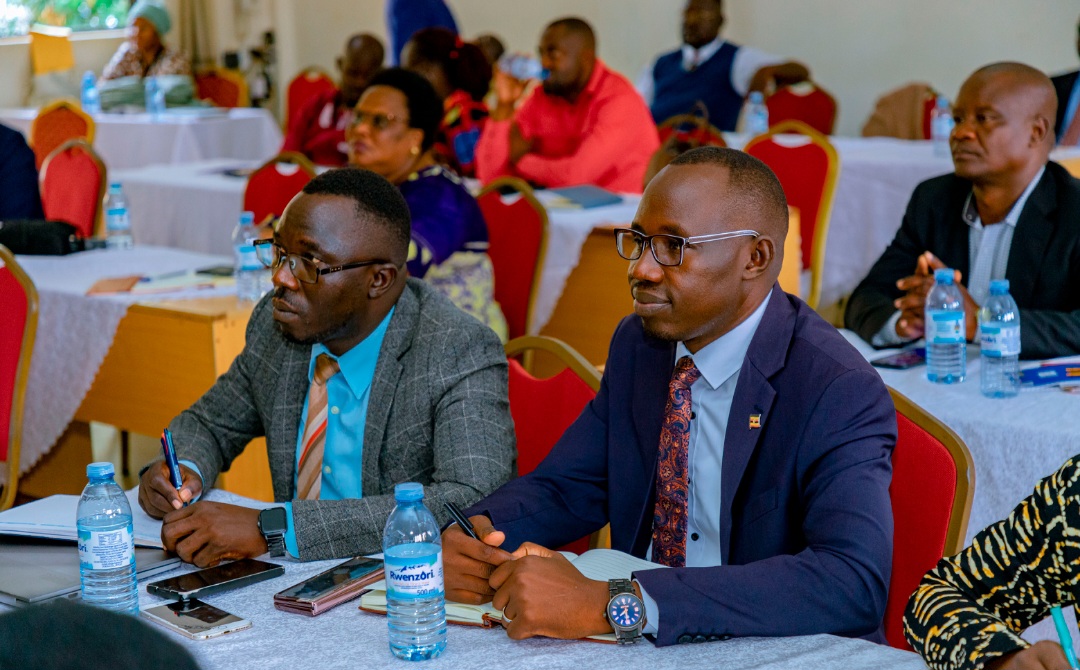
Hajji Kakande who was represented by the Senior Presidential Advisor- Mobilization at the RDC Secretariat, Lt. Col. Kibrai Ambako, made the remarks on Friday 13th March, 2026 during the closure of the 3- day capacity building Workshop for RDCs/RCC, Deputy RDCs/RCCs, Assistant RDCs/RCCs, RISO and DISOs serving in Lango Sub-Region, held at Margarita Palace Hotel, Lira City.
He noted that the government has continued to invest substantial resources in priority sectors such as agriculture, infrastructure development, education, health services as well as wealth creation initiatives, and these investments are intended to accelerate socio-economic transformation and improve the livelihoods of households across the country.
“However, the effectiveness of these investments largely depend on the quality of supervision, monitoring and coordination at the district level. It is therefore critical that RDCs and district security leaders should remain vigilant and proactive in overseeing the implementation of these programs,” he said.
Hajji Kakande further revealed that during the course of the workshop, several key areas were discussed in detail and these included the legal and policy framework guiding the work of RDCs, the importance of effective monitoring of government programs, strengthening coordination between administrative and security institutions at the district level, and improving accountability in public service delivery.
“Participants also had the opportunity to examine practical approaches to monitoring government projects, including conducting regular field inspections, engaging with beneficiaries of government programs, verifying progress reports submitted by implementing agencies and ensuring that any emerging challenges are reported to the relevant authorities for timely intervention.”
He also advised that monitoring should not only be confined to reviewing reports in offices; It must involve regular presence in the field to verify that projects such as schools, health facilities, roads and wealth creation initiatives are being implemented according to approved plans and budgets.
He emphasised the importance of effective coordination among government institutions operating within the districts.
“Many government programs involve multiple actors including line ministries, local governments, development partners and private sector actors. Without proper coordination, there is a risk of duplication of efforts, inefficiencies and gaps in service delivery. RDCs therefore have a critical responsibility to convene coordination meetings and ensure that all government actors within the district operate in a complementary and harmonized manner,” he stated.
“Equally important is the role played by RISOs and DISOs in maintaining situational awareness and ensuring that the security environment remains stable to support development activities. Security and development are closely interconnected.”
Hajji Kakande reminded the participants that sustainable socio-economic transformation can only take place in an environment where peace and stability are guaranteed, noting that the continued collaboration between administrative leaders and the security agencies remains essential in ensuring that potential security threats are identified early and addressed appropriately.
“Another important matter that I wish to emphasise is the need to strengthen accountability and integrity within public service. As representatives of government at the district level, you occupy positions of trust and responsibility. Your conduct, decisions and leadership style have a direct influence on the credibility of government institutions,” he stressed.
“It is therefore important that you continue to uphold high standards of professionalism, transparency and integrity in the execution of your duties. You must ensure that your actions are guided by the law, government policies and the broader national interest.”
Furthermore, Hajji Kakande disclosed that the Office of the President places great importance on effective reporting and communication between the districts and the centre, underscoring that timely and accurate reporting enable the government to assess the progress of programs, identify emerging challenges and take appropriate corrective measures where necessary.
“I therefore encourage all RDCs and district security leaders to maintain consistent communication with the Office of the President and other relevant government Institutions regarding the status of programs within your areas of jurisdiction,” he noted.
“Ladies and Gentlemen as you are aware,
Capacity building is a continuous process. The Office of the President will continue to organize these engagements across all the Sub-regions of the country to ensure that government representatives remain well equipped to perform their duties effectively in an evolving governance and development environment.”
Mr. Robert Mugabi, the Director Political Affairs at the Internal Security Organization (ISO) who represented the organisation’s Director General, urged the participants to ensure the gains of the NRM government are protected by securing security.
He said national security refers to everything a state does to ensure its continued existence as a sovereign entity and defend its essential interests.
“Survival of the state is the motivating force behind national security. If you find a district with an RDC and DISO, not working together, that makes it a failed district. The issue of differences shouldn’t come out when we are defending our country, ” he added.
Mr. Marvin Ssenkungu, an economist at the Manifesto Implementation Unit (MIU)- Office of the President, highlighted the performance of the 2021-2026 Manifesto for Lango sub-region and Uganda at large.
He said overall, the Manifesto attained an achievement of 54 percent of all the commitments, with 33 percent of the set commitments ongoing while 13 percent of the commitments had not been implemented.
“Consequently, the share of Ugandans living below the national poverty line has fallen to 16 percent from 20 percent four years ago- surpassing the 2025 national target of 18.5 percent,” Mr. Ssenkungu said.
“In the new manifesto 2026-2031,the strategic mission is to double the size of Uganda’s economy, transform livelihoods and turn every adult Ugandan into a producer of a good or a service for sale. We will focus on generating more painful jobs, expanding wealth creation opportunities and empowering Ugandans to take charge of their economic destiny.”
Do you have a story in your community or an opinion to share with us: Email us at Submit an Article