Kampala, Uganda – In a move that has sparked both skepticism and debate across the nation, State Minister for Internal Affairs David Muhoozi, son of long-time President Yoweri Museveni, has called on Ugandans to cast their ballots based on conscience rather than cash incentives. The plea comes just eight days before the highly anticipated January 15 general elections, where Museveni seeks yet another term in a political landscape increasingly marred by allegations of authoritarianism, voter suppression, and fears of government-orchestrated internet blackouts.
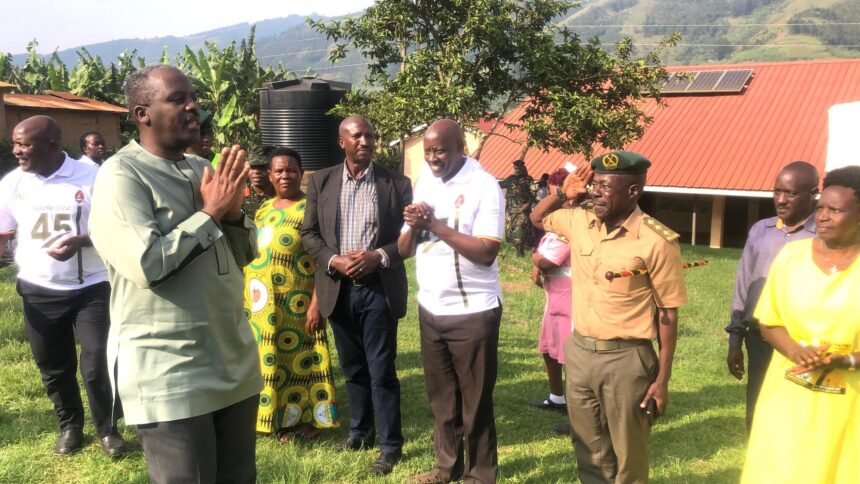
Muhoozi delivered his message during a ceremonial event in the picturesque hills of Rukiga District, southwestern Uganda. He was commissioning a modest two-classroom block at Karungi Primary School, constructed by the Uganda People’s Defence Forces (UPDF) as part of their Quick Impact Projects. This initiative is tied to preparations for the 2026 Tarehe Sita celebrations, an annual commemoration of February 6, 1981 – the day Museveni launched his guerrilla war with the National Resistance Army (NRA), which eventually toppled the government and paved the way for his 40-year rule. This year’s national event is set to unfold in neighboring Kabale District, emphasizing military involvement in community development as a tool for promoting stability ahead of the polls.
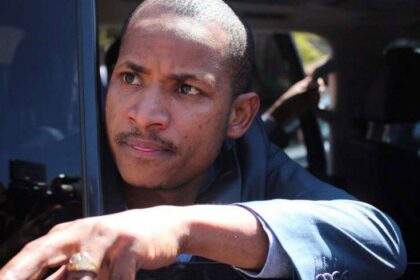
“Voters should exercise their civic duty independently, free from the lure of financial handouts,” Muhoozi emphasized in his address, flanked by UPDF officers and local dignitaries. He portrayed the school project as a symbol of the government’s commitment to grassroots progress, urging citizens to prioritize national development over short-term gains. Yet, critics argue this rhetoric rings hollow in a country where vote-buying has become a staple of electoral politics. Opposition leaders, including those from the National Unity Platform (NUP) led by Bobi Wine, have long accused the ruling National Resistance Movement (NRM) of using state resources to distribute money, food, and other incentives to sway voters in rural areas like Rukiga.
The timing of Muhoozi’s statement is particularly charged. With elections looming, reports from human rights watchdogs highlight a surge in authoritarian tactics. Security forces have intensified crackdowns on opposition rallies, with arrests and harassment becoming commonplace. Fears of internet shutdowns – a tactic employed in previous polls to stifle dissent and disrupt coordination – are rampant. In 2021, a nationwide blackout during elections drew international condemnation, and activists now warn that similar measures could be imminent, potentially isolating voters and enabling irregularities.
Muhoozi, who oversees internal security, holds a pivotal role in Museveni’s administration. As the president’s son, he is often seen as a potential successor, fueling speculation about dynastic politics in Uganda. His military background, including a stint as Chief of Defence Forces, underscores the blurred lines between the army and governance. The UPDF’s involvement in civilian projects like the Karungi school block is praised by supporters as evidence of the military’s “people-centered” approach, but detractors view it as a subtle campaign strategy to bolster the NRM’s image in opposition strongholds.
Local residents in Rukiga, a district known for its rugged terrain and agricultural economy, had mixed reactions. “It’s good to hear about voting with integrity, but where were these words during past elections?” asked Agnes Tumusiime, a teacher at Karungi Primary School. Others, like farmer Joseph Kanyankole, appreciated the new classrooms: “Our children needed this. If the army builds schools, maybe we’ll see real change.”
As Tarehe Sita approaches, the event’s theme of military-civilian harmony aims to project unity. However, with opposition parties decrying unequal playing fields – including restricted media access and alleged ballot stuffing – Muhoozi’s call for independent voting could be interpreted as a defensive maneuver. International observers, such as those from the European Union and African Union, are gearing up to monitor the polls, amid calls for transparency.
In this volatile pre-election atmosphere, Ugandans face a crossroads: heed the minister’s advice and vote freely, or succumb to the entrenched system of patronage? As the clock ticks down to January 15, the nation’s democratic credentials hang in the balance, with Muhoozi’s words serving as both a reminder and a rallying cry – or perhaps, just election-season optics.
Do you have a story in your community or an opinion to share with us: Email us at Submit an Article