By Watchdog Uganda Editorial Team
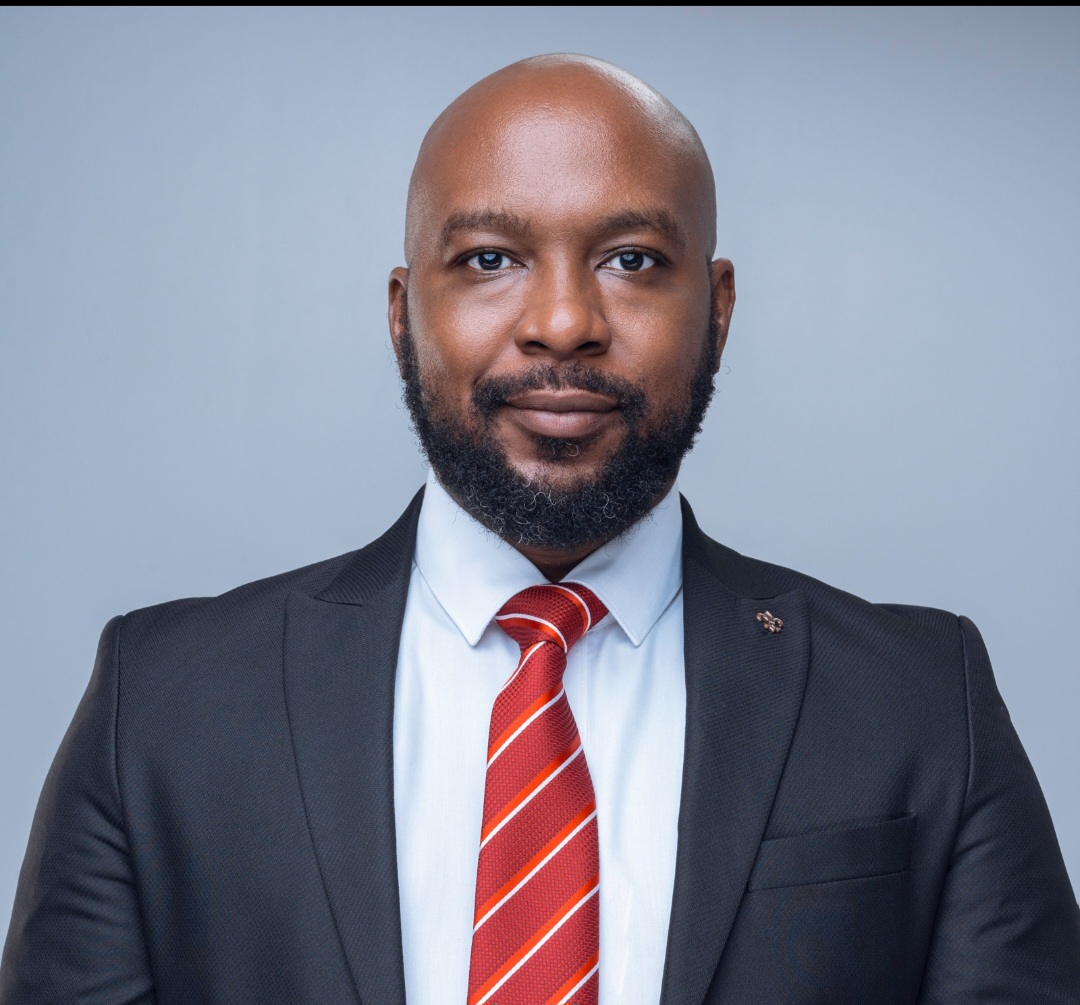
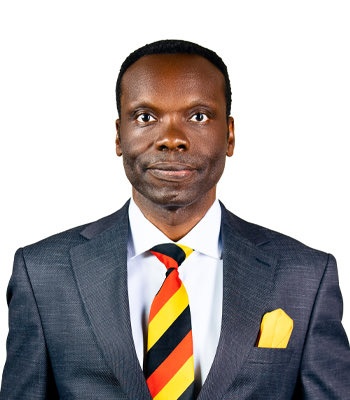
The emergence of Calvin David Echodu as a rising political figure in Uganda’s new 2026–2031 administration has sparked discussion in Teso and beyond, with supporters portraying him as part of a new wave of leadership reshaping the region’s political landscape.
Echodu’s elevation to Cabinet, coupled with his role as Member of Parliament for Soroti City West and his position within the National Resistance Movement (NRM), has been widely welcomed by sections of his political base. Many view his ascent as a signal of generational transition and renewed political energy in Eastern Uganda.
Supporters argue that his rise reflects a broader reshuffling of political influence in Teso, where long-serving and established figures are increasingly being challenged or replaced by newer entrants into national leadership.
A Narrative of Political Transition in Teso
In the aftermath of the 2026 elections and subsequent cabinet appointments, discussions have intensified around shifting political fortunes in the sub-region. Some supporters of Echodu describe him as part of a new leadership wave replacing what they call the “old guard” in Teso politics.
Among those frequently mentioned in such comparisons are senior political figures such as former Speaker Anita Annet Among, former minister Musa Ecweru, and veteran Cabinet member Jeje Odongo, who have each played long-standing roles in national governance and regional politics.
While some supporters frame Echodu’s rise as a “replacement” or “refreshing of leadership,” political observers caution that Uganda’s political transitions are more complex, often involving internal party realignments, electoral dynamics, and evolving national priorities rather than direct displacement narratives.
A Rising Profile Built on Mobilisation and Development Work
Echodu’s political trajectory has been shaped by his work as a businessman, NRM mobiliser, and development advocate in eastern Uganda. His supporters point to his involvement in community initiatives, education support programmes, and social development projects as evidence of grassroots engagement.
His role within party structures, particularly in mobilising support for the NRM in Teso, has also contributed to his growing influence. Within the ruling party, he is often described as part of a younger generation of leaders tasked with strengthening organisational structures and expanding political support bases.
Regional Expectations and Political Reality
In Teso, political appointments often carry symbolic weight, reflecting broader expectations of regional representation at the national level. Echodu’s appointment has therefore been interpreted by supporters as both recognition of the sub-region and an opportunity for renewed influence within central government decision-making.
However, analysts caution against framing political leadership changes as outright replacement of established figures. Uganda’s governance structure typically accommodates continuity, mentorship, and overlapping roles between experienced leaders and emerging politicians.
The Broader Political Context
Echodu’s rise comes at a time when Uganda’s political landscape is undergoing notable adjustments following the 2026 elections. Cabinet reshuffles, parliamentary realignments, and party restructuring have created a dynamic environment in which new actors are emerging alongside long-serving public officials.
This broader context has fueled public debate about leadership renewal, generational change, and the future direction of regional politics across the country.
Conclusion
The growing prominence of Calvin David Echodu reflects both personal political advancement and wider shifts within Uganda’s political system.
Whether viewed as a symbol of leadership renewal in Teso or as part of routine political restructuring, his rise underscores the evolving nature of Uganda’s governance landscape—one shaped by electoral change, party dynamics, and regional political expectations.
As these developments unfold, the key question remains not only who rises in influence, but how such transitions shape representation, development priorities, and political stability in the years ahead.
Do you have a story in your community or an opinion to share with us: Email us at Submit an Article