By Watchdog Uganda Editorial Desk
President Yoweri Museveni’s latest Cabinet reshuffle has once again drawn attention not only for the number of new entrants, but for the deliberate political engineering behind their selection. Beyond the headline appointments such as Justice and Constitutional Affairs figures, technocrats, and security-linked ministers, the deeper story lies in how Uganda’s ruling system continues to manage elite circulation without fundamentally altering the structure of power.
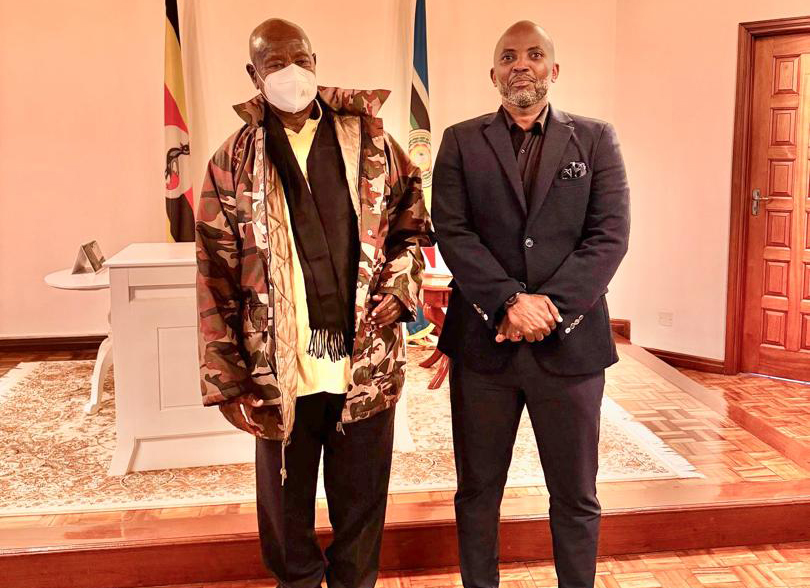
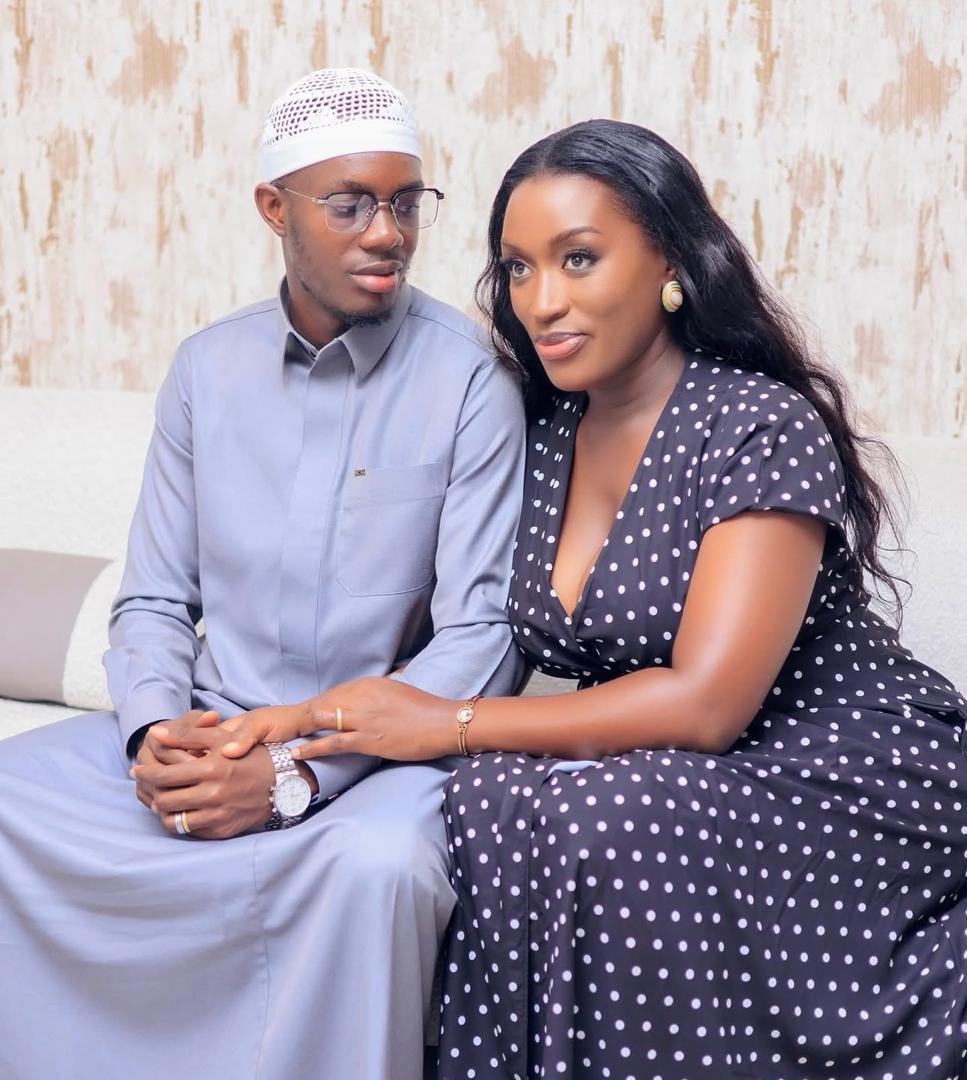
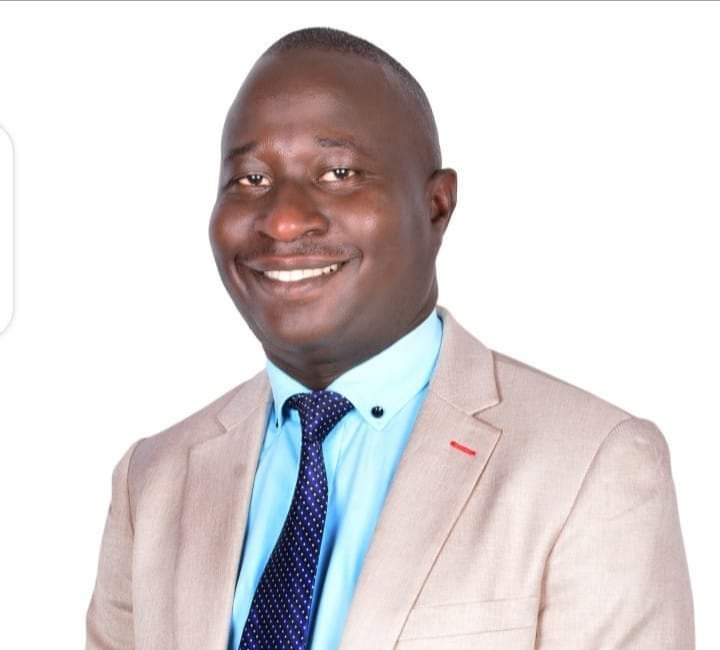
The inclusion of figures such as Justine Nameere, Susan Nakawuki Nsambu, Dr. Charles Ayume, Lakisa Mercy Faith, Jacqueline Mbabazi, Calvin Echodu, Shartsi Kutesa Musherure, Amina Mukalazi, Cissy Mulondo, Migadde Robert Nduggwa, Desire Muhooza, and Sanjay Tanna reflects a carefully curated political mosaic — one that blends political legacy, loyalty networks, regional balancing, and technocratic symbolism.
A Cabinet built on networks, not disruption
This is not a Cabinet of rupture. It is a Cabinet of recalibration.
Many of the new or reassigned ministers come from established political families, party structures, or long-standing institutional networks. Figures such as Shartsi Musherure Kutesa and Jacqueline Mbabazi reflect Uganda’s continued reliance on political lineage and legacy networks, where family, history, and party loyalty remain powerful currencies in elite selection.
At the same time, the elevation of younger or more media-visible figures such as Justine Nameere signals an attempt to inject visibility and generational appeal into government communication and local governance structures. However, such appointments often raise questions about whether visibility translates into policy influence or simply symbolic inclusion.
Technocrats in a political cage
The appointment of professionals like Dr. Charles Ayume and other technical figures reinforces Museveni’s long-standing strategy of integrating expertise into a highly centralized political framework. While technocrats bring competence and credibility, their operational space remains shaped by political supervision and executive direction.
Similarly, names like Amina Mukalazi, Lakisa Mercy Faith, Cissy Mulondo, and Migadde Robert Nduggwa point to a growing layer of administrative and development-focused leadership. Yet, the real test lies in whether they can independently shape policy or simply execute pre-determined priorities.
Balancing act: loyalty, geography, and political survival
The Cabinet also reflects Uganda’s familiar political balancing formula — regional inclusion, gender representation, party loyalty, and institutional continuity. Figures such as Calvin Echodu, Sanjay Tanna, Desire Muhooza, and others illustrate how the system integrates diverse political actors into the state structure to maintain equilibrium.
This approach reduces political friction but also dilutes policy sharpness, as Cabinet becomes less of a decision-making engine and more of a managed coalition of interests.
Continuity disguised as renewal
While the public narrative often emphasizes “new appointments,” the deeper reality is continuity. The state remains anchored in a system where power is centralized, and Cabinet serves as an extension of executive coordination rather than independent policymaking authority.
Even as new faces enter government, the underlying logic remains unchanged: stability first, loyalty second, and reform carefully calibrated to avoid disruption.
Conclusion: inclusion without transformation
Museveni’s Cabinet reshuffle once again demonstrates a governing philosophy that prioritizes controlled inclusion over structural transformation. The entry of new ministers expands representation and refreshes public perception, but does not fundamentally alter the architecture of power.
Uganda’s political system remains one where change is distributed, but authority is concentrated — a model that ensures continuity, but leaves open the question of how far institutional renewal can go without deeper systemic reform.
Do you have a story in your community or an opinion to share with us: Email us at Submit an Article