Last month, Sharifa Nabakooza succumbed to breast cancer, leaving behind two children aged three and five. Her death shattered a circle of friends but also ignited a movement that is now calling for a fundamental shift in how Uganda handles cancer care, integrating cancer screening and psychosocial support into all cancer related health services.
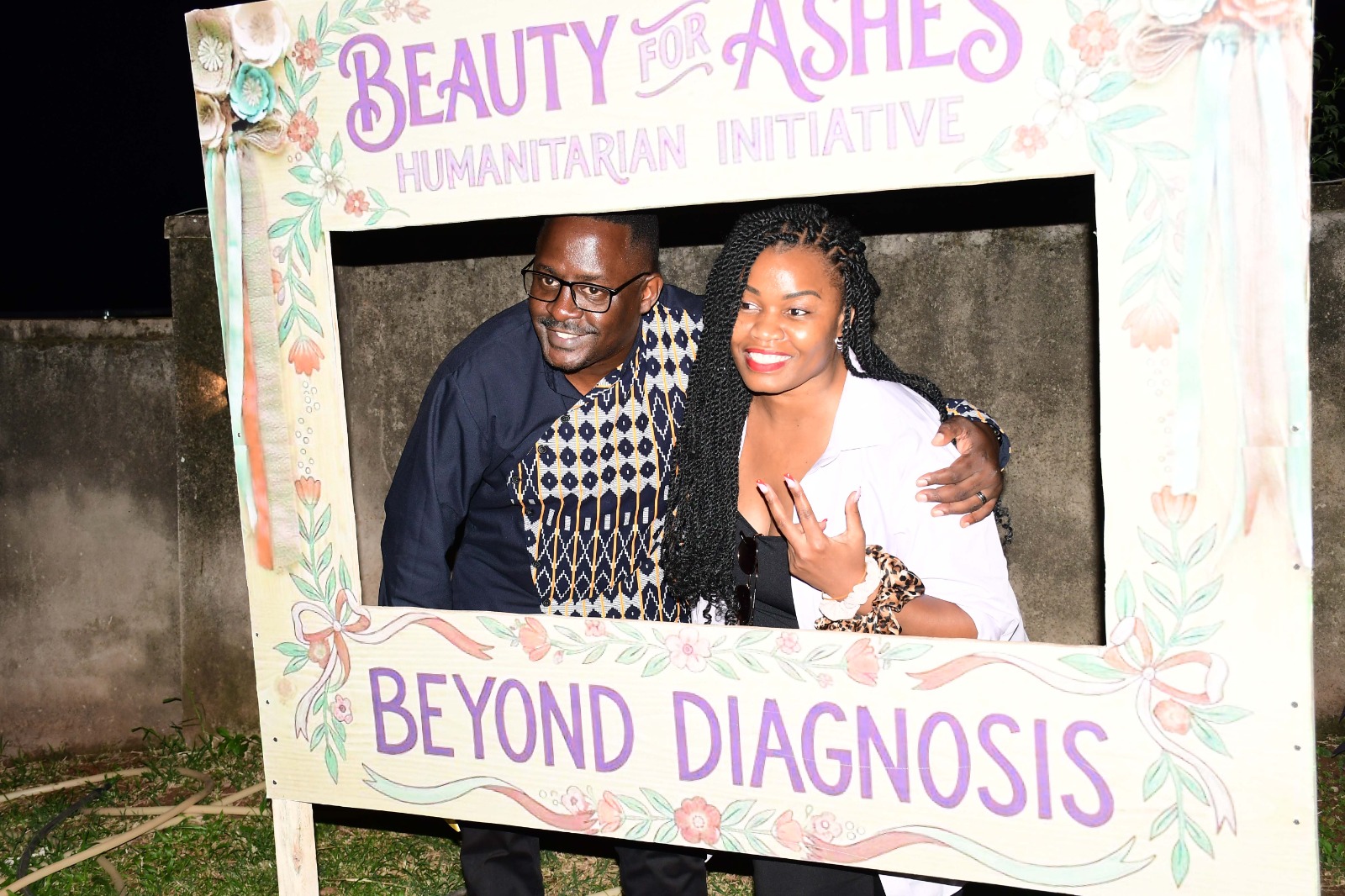
Out of that grief, the idea of Beauty for Ashes, a humanitarian initiative led by Dr Mary Mwesigwa (one of Nabakooza’s friends), a Ugandan medical doctor based in the US was born. The initiative that was launched on December 19 in Kampala is dedicated to promoting cancer awareness, early screening, restoring dignity, hope and support for individuals and families affected by cancer.
Dr Mwesigwa shares that cancer can be treated if diagnosed at an early stage, and just like HIV/ AIDS, cancer screening should be integrated into routine health care services.
She believes that every encounter with the health system should be an opportunity to screen, pregnant women attending antenatal care, patients seeking treatment for any illness and even learners reporting to school should undergo basic cancer checks.
“No one should walk into a health facility and walk out without being assessed for cancer risks. This will reduce the number of lives we lose to cancer,” she said.
Dr Mwesigwa reflects that had her friend Nabakooza undergone early screening, her story might have ended differently and maybe she would still be alive.
Statistic from Uganda Cancer Institute (UCI) indicate that Uganda records about 34,008 new cases of cancer in Uganda per year and over 22,000 deaths of which over 75 percent of the new cases are detected in advanced stages, drastically reducing survival chances.
UCI further indicates that most common cancers as, Prostate cancer, Cervical cancer, breast cancer, cancer of the throat, Kaposi sarcoma, Liver cancer among others.
The high mortality rate is attributed to inadequate awareness, poor screening services and delays in seeking medical services.
“We cannot reduce patients to statistics. Every patient is someone’s mother, father, child. Cancer is real, no one is immune, and early detection saves lives,” Dr Mwesigwa said.
According to Dr Rachel Kansiime Kanyangabo, a psycho-oncologist and founding president of the Uganda psycho-Oncology Society, cancer carries a heavy psychological burden urging that cancer care must address mental health alongside medical treatment.
She explained that cancer patients have a number of mental health needs and most of them end up in depression, have anxiety, develop post-traumatic stress disorder and all those are mental disorders that need to be addressed.
“Because people have been told with cancer you don’t get healed, they need psychological help and in psycho-oncology, we journey with our patients right from the time of diagnosis.”
She emphasized that psychological support must also be extended to caregivers and health workers, noting that families face financial constraints, prolonged grief and emotional exhaustion which affects their mental health.
“We are not only looking at a patient with cancer, we are looking at their caregivers, most of them will fail to go to work because they have to take care of a patient and they are not taking care of a patient for a day or two, a week. Cancer treatment takes years. Medical professionals also need support. You can’t have so many of your patients die and you remain okay,” Dr Kansiime said.
Dr David Mwine a medical doctor at the Uganda Cancer Institute noted that dealing with cancer or any chronic disease requires thinking about the psychological aspect noting that treating cancer is not only about medicine, but also restoring hope, dignity and humanity to those living with the disease.
“There is a lot of stigma attached to it. People are confused, they don’t know what comes next and almost everyone that hears the word cancer hears death. So it is quite important for these people to be supported,” Dr Mwine said.
He emphasised that cancer can be cured if detected early, urging people to embrace early cancer screening and diagnosis.
“Cancer is not a death sentence, there are people who have dedicated their lives to inventing cures and support patients. Many cancers have a high chance of cure if diagnosed early and treated appropriately,” Dr Mwine said.
Do you have a story in your community or an opinion to share with us: Email us at Submit an Article