Religion has always played a central role in the social and cultural fabric of Uganda, shaping values, guiding communities, and offering moral direction to millions of believers. The clergy, whether Muslim sheikhs, Catholic priests, or Protestant pastors, have historically been regarded as custodians of morality, spiritual guardians, and voices of peace. Yet in recent years, a troubling trend has emerged where some religious leaders have abandoned their sacred duty of shepherding souls and instead turned their pulpits into political platforms. This shift has sparked heated debate in the country, with some arguing that religious leaders should be free to speak their minds, while others insist that the clergy must be held accountable when they abuse their positions to undermine the state. The examples of Sheikhs and priests and a recent Reverand Father apprehended for subversive activities in Masaka illustrate how dangerous this politicization of religion can be, and why the state must act firmly to protect both the sanctity of faith and the stability of governance.
Some religious leaders Instead of using the pulpit to preach unity, morality, and devotion, he have openly popularized the National Unity Platform (NUP), a political opposition party, at the expense of the ruling government. His sermons, rather than being spiritual reflections, have often turned into political rallies where they demonize the government at every opportunity. This is not merely a matter of free speech; it is a distortion of religious authority. When a cleric cloaks political propaganda in the language of faith, he manipulates the trust of believers who come to worship, not to be recruited into partisan struggles. Such actions erode the neutrality of religion, sow division among congregants, and weaponize spirituality against the state. The pulpit becomes a battlefield, and worshippers are reduced to political pawns. This is an abuse of priesthood, for the sacred office is meant to serve God and guide souls, not to advance partisan agendas.
The case in Masaka further demonstrates the gravity of this issue. A priest was recently apprehended on accusations of subversion, sparking public outrage and accusations that security forces were “witch hunting” the clergy. Yet beneath the noise lies a critical truth: no one, not even a priest, should be above the law. If a religious leader engages in activities that threaten national security, incite rebellion, or undermine the constitutional order, he must be held accountable just like any other citizen. The belief that religious people should be immune from consequences simply because of their clerical status is dangerous. It creates a class of untouchables who can destabilize society under the guise of spirituality. Accountability must be universal, for justice cannot be selective. The priesthood is not a shield against wrongdoing, and the state has a duty to protect its citizens from subversive acts regardless of who commits them.
Examples of a clerics who have made a career out of attacking the government whenever they get the opportunity is endless. Sermons and public statements often cross the line from moral critique into outright political assault. While it is acceptable for religious leaders to speak on issues of morality, corruption, or social justice, it becomes problematic when they consistently target the government with partisan rhetoric. This transforms the church into a political arena and undermines its credibility as a spiritual institution. Parishioners who come to seek solace and guidance are instead subjected to political indoctrination. The priesthood is abused when it becomes a platform for opposition activism rather than a sanctuary for worship. Such conduct exemplifies how easily the sacred can be corrupted when personal ambition and political passion override spiritual responsibility.
The danger of politicized religion is not theoretical; it has real consequences for national unity and stability. Uganda is a diverse country with multiple faiths and denominations. Religion has historically been a source of cohesion, transcending tribal and political divisions. But when clerics turn their pulpits into political stages, they fracture this unity. Congregants begin to identify not only as believers but as political partisans aligned with their cleric’s ideology. Mosques and churches risk becoming parallel political parties, each with its own followers, grievances, and agendas. This is a recipe for sectarian conflict, as faith communities are pitted against each other along political lines. The sanctity of religion is lost, and the nation is weakened. The state cannot afford to allow such a dangerous trend to continue unchecked.
Moreover, the politicization of religion undermines the credibility of the clergy themselves. When priests and sheikhs engage in partisan battles, they compromise their moral authority. Believers begin to question whether their leaders are truly guided by divine inspiration or merely by political ambition. The respect and reverence traditionally accorded to the clergy diminish, and the church or mosque becomes suspect. This erosion of trust has long-term consequences, for once faith is politicized, it is difficult to restore its purity. Religious leaders must therefore desist from politics not only to protect the state but als to safeguard their own credibility and the integrity of their institutions. The pulpit must remain sacred, free from the contamination of partisan struggles.
The state has a responsibility to stamp out this abuse of priesthood and ensure that religious leaders are held accountable for their wrongdoing. This does not mean suppressing freedom of worship or silencing moral critique. It means drawing a clear line between spiritual guidance and political activism. Clerics must be free to preach against corruption, injustice, and immorality, but they must not turn their pulpits into campaign platforms or incite rebellion against the government. The law must be enforced impartially, ensuring that priests and sheikhs who cross the line face consequences just like any other citizen. This is not persecution; it is protection of both religion and governance. By holding religious leaders accountable, the state preserves the sanctity of faith and prevents its exploitation for political gain.
Critics often argue that clamping down on politicized clergy amounts to witch hunting or suppression of free speech. Yet this argument ignores the unique power of religious authority. Unlike ordinary citizens, clerics command immense influence over their congregants. Their words carry spiritual weight, and their followers often regard them as divinely inspired. When such leaders abuse this trust to advance partisan agendas, they wield disproportionate power that can destabilize society. The state must therefore act not out of malice but out of necessity. Protecting national security and preserving social harmony requires ensuring that religious authority is not weaponized against the government. Accountability is not persecution; it is justice applied equally to all.
Furthermore, allowing religious leaders to engage in unchecked political activism sets a dangerous precedent. If priests and sheikhs can insult and assault the government with impunity, what prevents other institutions from doing the same? The rule of law is undermined, and respect for authority erodes. Citizens begin to believe that defiance of the state is acceptable as long as it is cloaked in religion. This weakens governance and emboldens rebellion. The state must therefore act decisively to prevent such erosion of authority. By holding clerics accountable, the government sends a clear message that no one is above the law and that religion cannot be exploited for political subversion.
The responsibility also lies with the clergy themselves. Religious leaders must recognize that their sacred duty is to guide souls, not to play politics. They must desist from partisan activism and focus on their spiritual mission. The pulpit is a place of worship, not a campaign rally. By politicizing religion, clerics betray their calling and mislead their congregants. They must remember that their authority comes from God, not from political parties. To abuse this authority is to desecrate the very faith they claim to uphold. True spiritual leadership requires humility, neutrality, and devotion, not ambition and partisanship. Religious leaders must therefore discipline themselves and resist the temptation to exploit their pulpits for political gain.
In conclusion, such illustrate the dangers of politicized religion in Uganda. Clerics who abuse their priesthood by turning pulpits into political platforms undermine both the sanctity of faith and the stability of governance. They sow division, erode trust, and weaponize spirituality against the state. The belief that religious leaders should be immune from accountability is misguided and dangerous. The state must act firmly to stamp out this abuse and ensure that clerics are held accountable for their wrongdoing. Religion must remain sacred, free from partisan contamination, and focused on guiding souls rather than advancing political agendas. Only by drawing a clear line between faith and politics can Uganda preserve the integrity of its religious institutions and protect the unity of its nation. Religious leaders must desist from politics, and the state must enforce accountability, for the sanctity of faith and the stability of governance depend on it. This is not persecution but protection, not suppression but preservation. The pulpit must remain holy, and the priesthood must remain sacred, lest religion itself be corrupted and the nation destabilized.
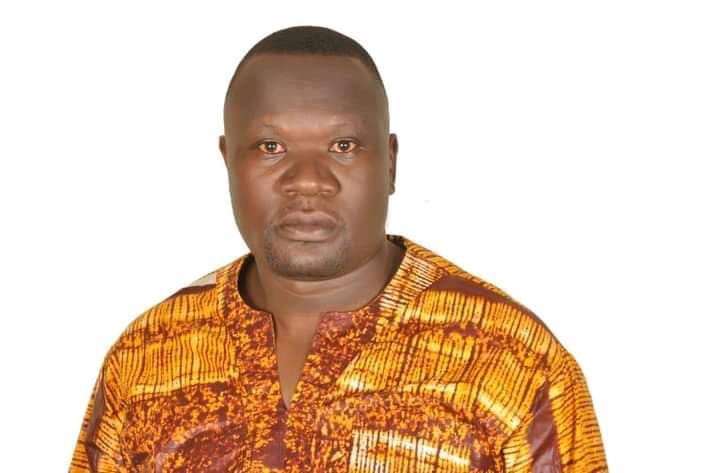
The writer is the Deputy Resident City Commissioner for Nakawa Division.
Do you have a story in your community or an opinion to share with us: Email us at editorial@watchdoguganda.com