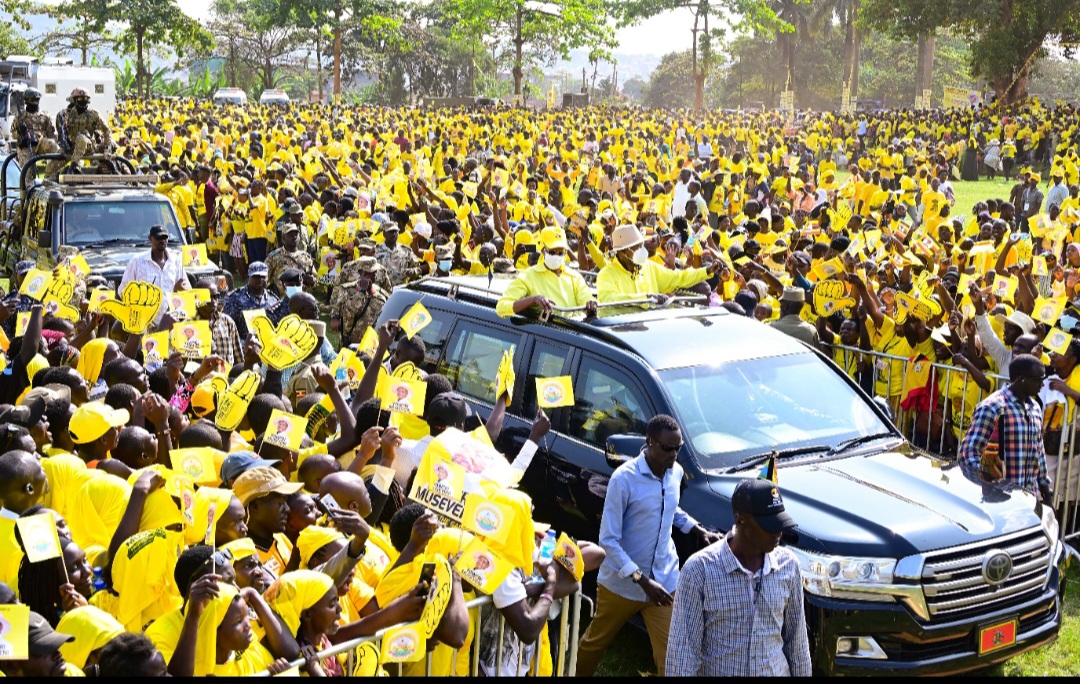
Disinformation has become a prominent aspect of electoral campaigns worldwide, shaping political narratives and influencing voter opinions – a trend that is also evident in African elections.
In Uganda, gender-specific disinformation has been identified as a major issue in the criticisms and intimidation directed towards women in politics during the 2021 general and recent 2025 party elections. These criticisms, ranging from online harassment to direct threats of gender-based violence, involve psychological abuse where women endure emotional manipulation, character defamation, stalking, and online harassment from male supporters of opposing candidates, serving as a significant barrier to women’s political involvement.
According to Martins (2024), gendered disinformation refers to the dissemination of deceptive or inaccurate information and images targeting women political leaders and other female public figures. This type of disinformation draws on misogyny and societal stereotypes about women’s roles, leading to constant threats on social media and other avenues. The challenges faced by women in politics are not unique to Uganda. A study by Baldwin-Philippi (2024) found that women in politics are often subjected to scrutiny beyond their political contributions. Many women’s voices are criticized for being ‘too high’, their hemlines deemed ‘too short’, and their necklines considered ‘too revealing’. Moreover, cultural norms and traditional gender roles remain deeply ingrained in Ugandan society, shaping perceptions of women in leadership positions. The view of women as confined to narrowly defined gender roles persists across generations, including among younger Ugandans raised in patriarchal households.
Another manifestation of traditional gender roles is the structural barriers women face in accessing the resources necessary to run successful political campaigns. The financial obstacles women encounter reflect and perpetuate their traditionally subordinate role in society, further marginalizing their political participation (Martiny et al., 2024).
While these experiences underscore the intense societal pressure placed on women leaders, some individuals do not see the challenge of balancing societal roles as a significant impediment. Many women struggle to balance motherhood with professional responsibilities. Moreover, a common narrative during the recent party election depicted women as ‘too emotional’ to hold leadership positions, deeming them unfit for high office. At the same time, women who displayed assertiveness were criticized as being ‘too aggressive’ or ‘overly ambitious’, or “slay queens’ further undermining their leadership potential.
Therefore, a multi-faceted policy response is needed to address the structural, technological, and sociocultural dimensions of gendered disinformation. In Uganda, electoral bodies and media regulators could work closely with civil society organizations focused on women’s political empowerment to establish guidelines for identifying and addressing gendered disinformation during elections. Ultimately, women politicians must “have a thick skin” to overcome these anachronistic challenges.
Nestor Basemera, PhD
Email: basemeranestor3@gmail.com
Do you have a story in your community or an opinion to share with us: Email us at Submit an Article