Hon. Robert Kyagulanyi Ssentamu’s pledge to compensate the people of Teso for cattle lost during years of insurgency, cattle rustling, displacement, and state violence speaks directly to a deep and unresolved historical injustice. Delivered recently at Nakatunya Primary School in Soroti City and echoed across Tesoland, the message resonates strongly with communities that have endured decades of loss, poverty, and repeated policy failure, not only in Teso, but also in Lango, Acholi, West Nile, and Sebei.
There is little dispute that cattle compensation, alongside broader economic restoration through cooperatives, agriculture, and agro-processing, is central to Teso’s recovery. Hon. Nathan Nandala Mafabi’s parallel commitments; reviving the Teso Cooperative Union, restoring cotton as a strategic cash crop, and reforming fruit value chains, rightly recognise that compensation is not simply about replacing livestock. It is about restoring livelihoods, dignity, and regional economic systems that once sustained communities now among the poorest (Ibakor) in the country, where many households wake up each day to eat cold potatoes for both breakfast and lunch (Acok nu abian).
On 17 September 2025, President Yoweri Kaguta Museveni endorsed the recommendations of a two-week consultation report on cattle compensation presented by Vice President Jessica Alupo. Describing the proposals as “realistic, inclusive, and transformative,” the President reaffirmed the state’s commitment to long-delayed compensation.
At the centre of this framework was a simple promise: each household in Teso would receive five cows—or their cash equivalent—to compensate for livestock lost during insurgencies and raids. On paper, the proposal appears reasonably well conceptualised and aligned with the President’s long-standing poverty reduction and socio-economic transformation agenda. In theory, nearly half a million households across Teso’s twelve districts would benefit. Cultural leaders welcomed it, politicians praised it, and government pledged renewed transparency.
Yet history urges caution. The long and troubled record of restocking and compensation programmes in Teso, and across rural Uganda, suggests outcomes far less optimistic than those projected at State House.
This is why cattle compensation has become a central issue in the 2026 presidential campaigns. For decades, communities that bore the brunt of conflict and cattle rustling have waited for justice that goes beyond speeches, and symbolic gestures. As the 2026 elections draw closer, the people of Teso and other affected regions now require more than assurances. What is urgently needed is a clear, credible, and transparent policy template for compensation.
Hon. Kyagulanyi’s promise to “multiply the cattle people lost” raises critical questions that deserve direct and public answers:
Who qualifies for compensation, and how will claims be verified?
What records, community validation mechanisms, or independent audits will prevent politicisation and fraud?
Will compensation be limited to cattle, or integrated into a broader restitution framework covering land, cooperatives, and livelihoods?
How will the programme be financed sustainably, and over what timeframe?
Past government initiatives, often triggered by protests such as No Cow, No Vote, have shown that without a robust institutional and policy framework, compensation committees become symbolic exercises (Engala) rather than vehicles for justice. The predictable cycle of corruption, elite capture, weak verification, unrealistic promises, and structural neglect has left Iteso poorer, than before 1986, despite decades of intervention. Meanwhile, many legitimate claimants across Teso, Acholi, Lango, Sebei, and West Nile have died without seeing compensation.
As the National Unity Platform presidential flag bearer, Hon. Kyagulanyi is well positioned to move this debate from rhetoric to policy leadership. Presenting a clear and technically sound cattle compensation framework, distinct from, but informed by, the Hon Alupo consultation report, would not only strengthen his credibility, but also set a national benchmark for post-conflict restitution.
Such a framework could include:
A Cattle Restocking and Livelihood Authority (CRLA).
A national compensation policy covering all war-affected regions, rather than region-by-region bargaining;
Independent verification and compensation institutions insulated from electoral cycles;
A mixed compensation model combining cattle restocking, livelihood grants, cooperative revival, and community-level reparations;
Clear alignment with national budgetary planning and agricultural transformation strategies, including cotton and fruit value chains.
The people of Teso are no longer asking whether compensation will happen. They are asking how, when, and under what rules. A transparent policy template would honour their suffering, restore confidence in political leadership, and demonstrate readiness to govern beyond campaign platforms.
Uganda’s central challenge is not a lack of promises, but the absence of a coherent, transparent, and nationally anchored compensation policy or institutional framework. Weak institutions, politicised beneficiary lists, limited fiscal realism, and poor follow-through have eroded public trust. Cattle compensation must therefore be understood not as a populist campaign tool, but as part of a broader national reckoning with Uganda’s violent past.
The No Cow, No Vote slogan captures genuine frustration and moral urgency. But lasting justice will depend on whether political leaders can convert that anger into coherent policy, credible institutions, and sustained reform.
As Uganda approaches yet another election cycle, the people of Teso, and all other affected regions, deserve more than promises of speech or symbolic acts. They deserve clarity, honesty, and a credible national framework that finally transforms compensation from a slogan into lived reality.
Hon. Kyagulanyi has opened an important conversation. The next step is policy clarity. Tesoland, and Uganda deserve nothing less.
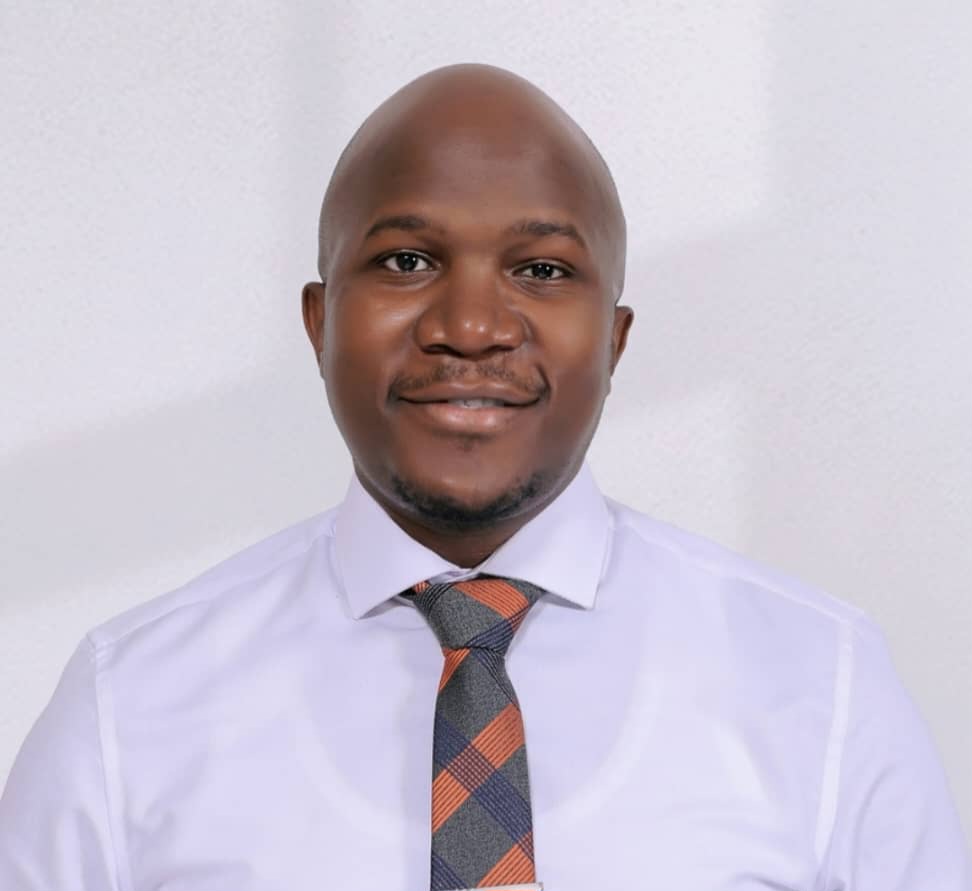
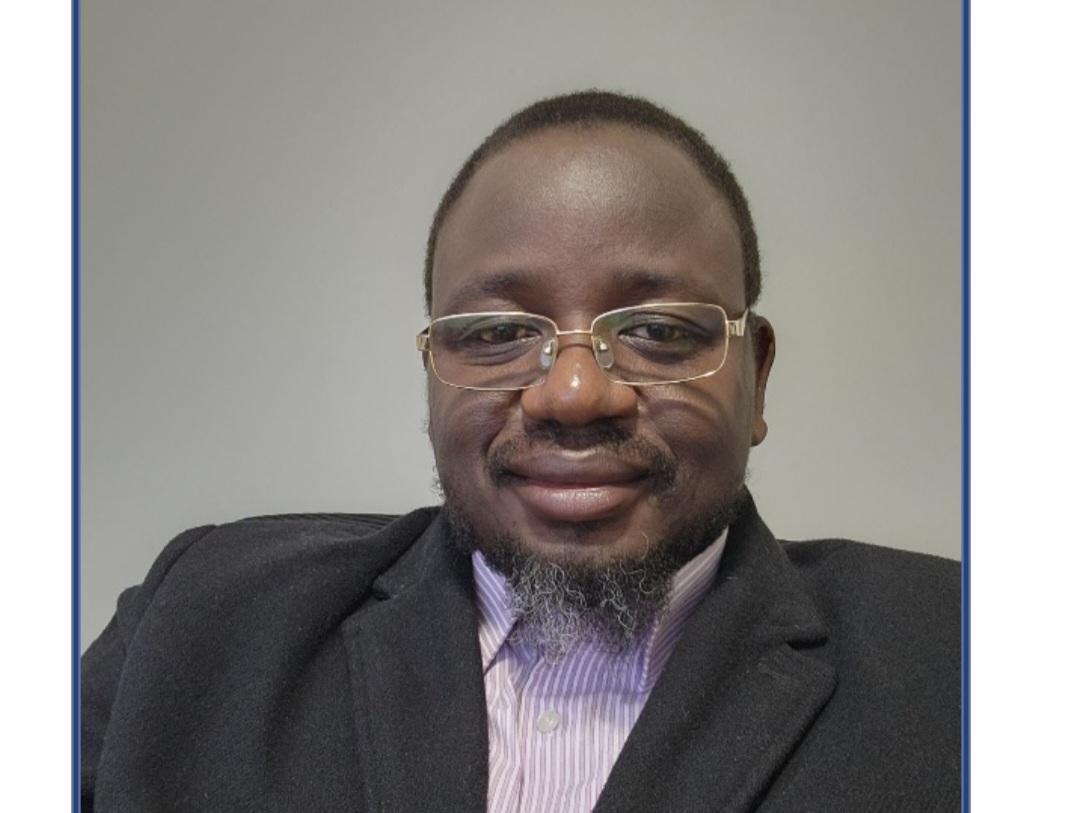
Dr. Samuel B. Ariong (PhD) is a lecturer, researcher, and development policy scholar.
Constructive feedback can be sent to: ariongsb@gmail.com
Do you have a story in your community or an opinion to share with us: Email us at editorial@watchdoguganda.com