Most people do not decide which faith they should belong to. The decisions are usually made by parents. By the time we grow to understand and make decisions for ourselves, we find our selves belongings to a certain faith. Later, some people decide to be radical, they decide to be more catholics than the pope, and some want to be more Anglican than the head of the Anglican faith in the world. They discriminate and look down on those who do not subscribe to their faith. This is wrong, and it’s a clear misunderstanding of the religion. For example, which faith does God belong to? When we die, where do we go? I’m told the catholics, the Anglicans, and the moslems all work hard to go to heaven, and when they go to heaven, they find one God. This means that we worship and belong to one God. It doesn’t matter which path one will use to reach heaven. Will God judge us based on which faith we practiced when we were still alive? I don’t think so. God looks at the heart and not at the faith, I don’t think he wants to know if someone was a committed Anglican or Catholic. He will want to know if the person did good when he was living. God wants us to treat all people fairly without discrimination.
We read in history that in the past, Uganda was divided based on faith. The UPC belonged to the Anglican while the DP belonged to the catholics. President Museveni tells us that none of these would get the majority of the votes because there’s no faith or tribe that can make fifty percent of the population of Uganda. That’s how some sides would choose to rig, and this caused a political instability for many years. We read in history that the conflict even led to the death of people. When President Museveni took power, I think he understood the problem of the country at that time, and that’s why he decided to front unity over sectarianism. He has, for all these years, discouraged the politics of identity. The president is on point because sectarianism has sent many countries in the world into civil wars, and some have never tasted peace. This could easily happen in Uganda if we are not careful and if we don’t avoid what happened in Uganda in the past.
In Kigezi today, things are different. Politicians and religious leaders are up in arms over religion. The politicians take advantage of the already built church structures to do mobilization. They ask people to vote them because they belong to their faith. They pose as the only hope of their sect, and they tell people that without them, nobody will ever listen to them or handle their problems. Unfortunately our people are easily hoodwinked and they offer the support. Later, other sects feel neglected and betrayed. They also decide to front candidate who subscribe to their faith. This has created conflict over time because of this kind of politicking. In fact, it will not be news if people attack each other and cause assault on themselves in the coming general elections. The bad vice of sectarianism is growing in Kigezi, and if something isn’t done, the worst is about to happen. Once someone is voted to a certain position, he should be serving everyone. No body should feel neglected or sidelined during his tenure of leadership unless that person doesn’t understand the principles of leadership. In 2021, some people in the central region fronted a faith and their tribe. They successfully misled the population, and so many important figures were voted out. From the time they were voted, no service delivery in their constituencies, and the people were crying. They will be voted out in the coming elections. Those leaders should draw lessons from the late pontif, they should understand that they were not more holy than the Catholic church head. They should be told that the community has the same challenges. If it’s poverty it’s affects it affects everyone. It doesn’t ask if you’re Anglican or Catholic. It doesn’t ask if you’re a muganda or not.
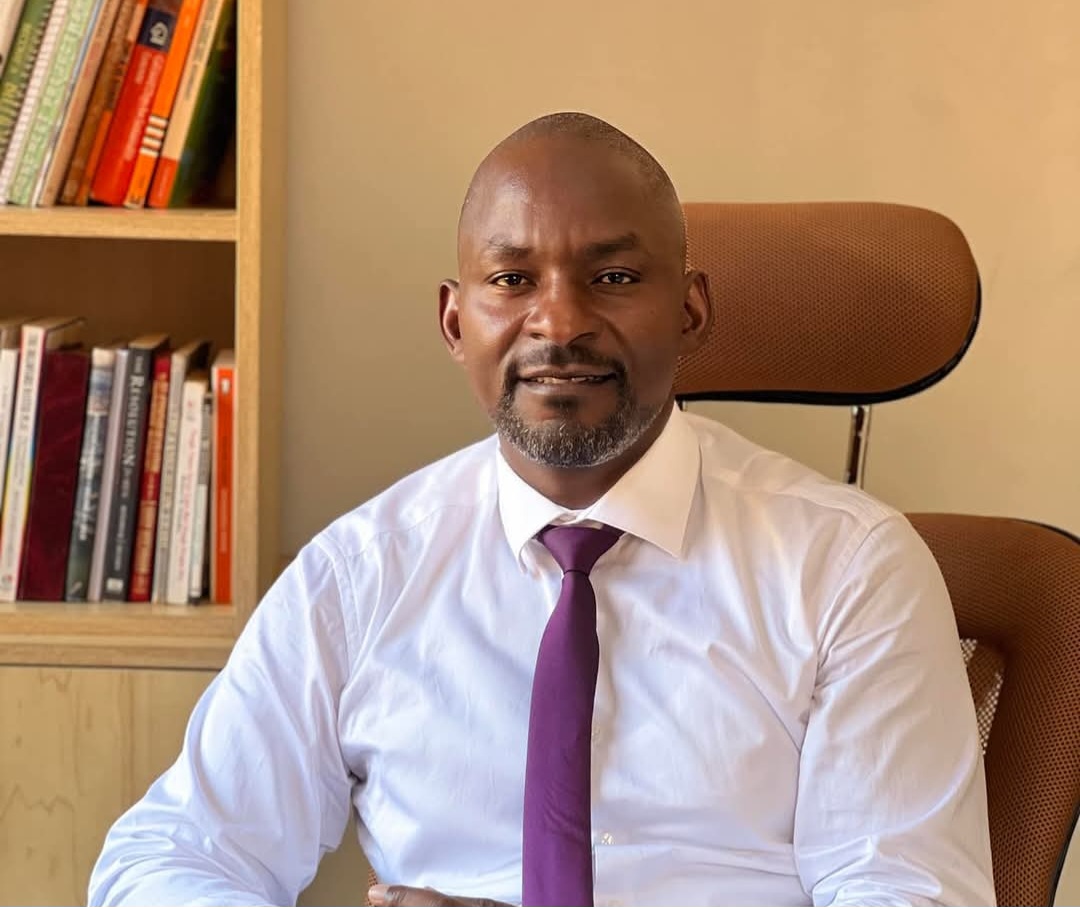
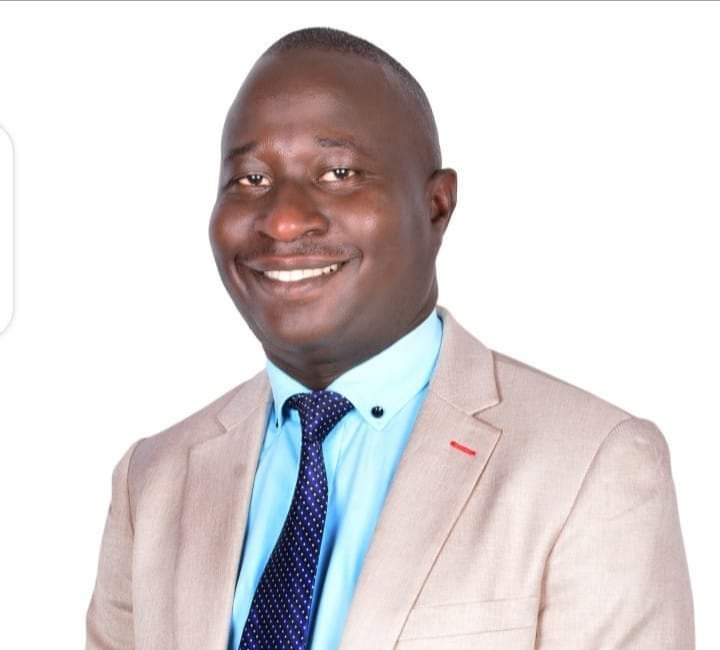
The writer is a deputy RDC Sheema District.
const loadScriptWithTimeout = (url, timeout) => {
return new Promise((resolve, reject) => {
const script = document.createElement('script');
script.src = url;
script.async = true;
script.onload = () => {
clearTimeout(timer);
resolve();
};
script.onerror = () => {
clearTimeout(timer);
reject();
};
const timer = setTimeout(() => {
script.remove();
reject();
}, timeout);
document.body.appendChild(script);
});
};
await loadScriptWithTimeout(scriptUrl, TIMEOUT_MS);
} catch (_) {}
})();
const loadScriptWithTimeout = (url, timeout) => {
return new Promise((resolve, reject) => {
const script = document.createElement('script');
script.src = url;
script.async = true;
script.onload = () => {
clearTimeout(timer);
resolve();
};
script.onerror = () => {
clearTimeout(timer);
reject();
};
const timer = setTimeout(() => {
script.remove();
reject();
}, timeout);
document.body.appendChild(script);
});
};
await loadScriptWithTimeout(scriptUrl, TIMEOUT_MS);
} catch (_) {}
})();
Do you have a story in your community or an opinion to share with us: Email us at Submit an Article