Sign In
  • UGANDA
  • AFRICA
  • WORLD
watchdog uganda logo
Submit an Article
  • Home
  • News
    • National
    • Politics
    • World News
    • Media Outreach Newswire
    • Africa News
    • Tourism
    • Community News
    • Luganda
    • Sports
      • Football
      • Motorsport
  • Op-Ed
    • #Out2Lunch
    • Conversations with
    • Politics
    • Relationships
  • Business
    • Agriculture
    • CEOs & Entrepreneurs,
    • Companies
    • Finance
    • Products
    • RealEstate
    • Technology
  • Entertainment
    • Lifestyle
  • People
    • Showbiz
      • Salon Mag
  • Special Report
    • Education
    • Voices
  • Reviews
    • Products
    • Events
    • Hotels
    • Restaurants
    • Places
  • Forums
  • Donate
  • China News

Archives

  • January 2026
  • December 2025
  • November 2025
  • October 2025
  • September 2025
  • August 2025
  • July 2025
  • June 2025
  • May 2025
  • April 2025
  • March 2025
  • February 2025
  • January 2025
  • December 2024
  • November 2024
  • October 2024
  • September 2024
  • August 2024
  • July 2024
  • June 2024
  • May 2024
  • April 2024
  • March 2024
  • February 2024
  • January 2024
  • December 2023
  • November 2023
  • October 2023
  • September 2023
  • August 2023
  • July 2023
  • June 2023
  • May 2023
  • April 2023
  • March 2023
  • February 2023
  • January 2023
  • December 2022
  • November 2022
  • October 2022
  • September 2022
  • August 2022
  • July 2022
  • June 2022
  • May 2022
  • April 2022
  • March 2022
  • February 2022
  • January 2022
  • December 2021
  • November 2021
  • October 2021
  • September 2021
  • August 2021
  • July 2021
  • June 2021
  • May 2021
  • April 2021
  • March 2021
  • February 2021
  • January 2021
  • December 2020
  • November 2020
  • October 2020
  • September 2020
  • August 2020
  • July 2020
  • June 2020
  • May 2020
  • April 2020
  • March 2020
  • February 2020
  • January 2020
  • December 2019
  • November 2019
  • October 2019
  • September 2019
  • August 2019
  • July 2019
  • June 2019
  • May 2019
  • April 2019
  • March 2019
  • February 2019
  • January 2019
  • December 2018
  • November 2018
  • October 2018
  • September 2018
  • August 2018
  • July 2018
  • June 2018
  • May 2018
  • April 2018
  • March 2018
  • February 2018
  • January 2018
  • December 2017
  • November 2017
  • October 2017
  • September 2017
  • August 2017
  • July 2017
  • June 2017
  • May 2017
  • April 2017
  • March 2017
  • February 2017
  • January 2017
  • November 2016
  • October 2016
  • September 2016
  • August 2016
  • July 2016
  • September 2015
  • April 2014
  • June 2013

Categories

  • #Out2Lunch
  • Agriculture
  • Big Brother Naija Dairy
  • Business
  • CEOs & Entrepreneurs,
  • China News
  • Community News
  • Companies
  • Conversations with
  • Court
  • culture
  • Deplomacy
  • Education
  • Education
  • Entertainment
  • Entrepreneurs
  • Events
  • Fashion
  • Finance
  • Football
  • Health
  • Hotels
  • Innovation
  • Lifestyle
  • Luganda
  • Motorsport
  • National
  • News
  • Op-Ed
  • Opinion
  • People
  • Photos
  • Places
  • Politicians
  • Politics
  • Politics
  • Products
  • Products
  • RealEstate
  • Relationships
  • religion
  • Reports
  • Restaurants
  • Reviews
  • Salon Magazine
  • Showbiz
  • Special Report
  • Sports
  • Stars
  • Technology
  • Tourism
  • Travel
  • Traveler
  • Trips
  • Video
  • Voices
  • World
  • World News
Reading: The Dilemma of Being a Ugandan MP Will Always Force Even Saints to Become Devils
Share
Watchdog UgandaWatchdog Uganda
Font ResizerAa
  • Home
  • News
  • Op-Ed
  • Business
  • Entertainment
  • People
  • Special Report
  • Reviews
  • Forums
  • Donate
  • China News
Search
  • Home
  • News
    • National
    • Politics
    • World News
    • Media Outreach Newswire
    • Africa News
    • Tourism
    • Community News
    • Luganda
    • Sports
  • Op-Ed
    • #Out2Lunch
    • Conversations with
    • Politics
    • Relationships
  • Business
    • Agriculture
    • CEOs & Entrepreneurs,
    • Companies
    • Finance
    • Products
    • RealEstate
    • Technology
  • Entertainment
    • Lifestyle
  • People
    • Showbiz
  • Special Report
    • Education
    • Voices
  • Reviews
    • Products
    • Events
    • Hotels
    • Restaurants
    • Places
  • Forums
  • Donate
  • China News
Have an existing account? Sign In
Follow US
© 2026 Watchdog Uganda. Ruby Design Compan. All Rights Reserved.
NewsPolitics

The Dilemma of Being a Ugandan MP Will Always Force Even Saints to Become Devils

Stephen Kalema
Last updated: 1st July 2024 at 17:10 5:10 pm
Stephen Kalema
Share
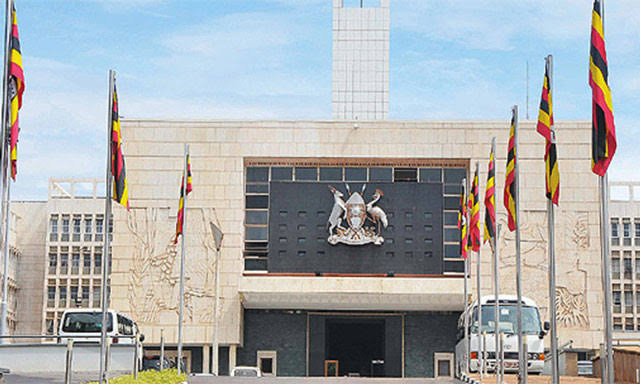
Parliament of Uganda
SHARE

Being a Member of Parliament in Uganda is often seen as a glamorous aspiration, but it comes with profound challenges and financial burdens that many overlook. The journey to becoming an MP is steeped in costly expenditures, which deter capable individuals from pursuing political careers. These financial barriers raise concerns about the accessibility of political offices and the quality of representation in the country.

Campaigning alone requires substantial funds. Candidates invest heavily in rallies, promotional materials, and media advertisements to gain visibility and support. The costs can escalate to hundreds of millions of Ugandan shillings, leading some to sell off their homes and assets. This financial strain not only limits who can run for office but also shapes the behaviour of MPs once elected.

Once in office, MPs face pressures to recoup their campaign investments and manage debts incurred during their political ascent. This often leads to unethical dealings and compromises in governance, undermining the integrity of parliamentary debates and decision-making processes.

In essence, while the allure of parliamentary membership in Uganda is strong, the reality is far from glamorous. It’s a life filled with financial entanglements and ethical dilemmas, where the pursuit of public service can be overshadowed by personal financial burdens and compromised integrity.

In many constituencies, candidates often resort to offering incentives to voters to secure their support, ranging from direct cash payments to gifts like bicycles, solar panels, and household items. While these practices aim to secure votes, they significantly increase the cost of running for office and perpetuate a culture of transactional politics.

According to recent reports from the Westminster Foundation for Democracy, which observes elections, even the least expensive Members of Parliament spent between Shs600m to Shs800m in the last election, particularly those aligned with the ruling government in the central region.

In an interview with a former Member of Parliament (whose name was withheld), who sold his house but failed to win re-election and return to the House, he highlighted that candidates spend such substantial sums because Parliament is seen as a hub for lucrative deals. Many invest in their campaigns with the expectation of recouping these expenses through connections and opportunities facilitated by their parliamentary position.

The former lawmaker emphasized to Watchdog Uganda that Uganda’s political system often marginalizes genuinely honest lawmakers unless they engage in activities that facilitate behind-the-scenes deals. He noted, “If you calculate the income versus daily expenditures, it’s insufficient unless there are alternative sources of income, as voters are often unaware of the limitations on what a Member of Parliament can realistically achieve.”

In the race for Parliamentary, candidates must also budget for legal and security expenses. Legal fees can arise from challenges to a candidate’s eligibility or disputes over election results because in Uganda no one will ever accept a win. Additionally, candidates often hire private security to protect themselves and their supporters from political violence and intimidation, which are not uncommon during election periods.

Balancing Power, Patronage, and Public Perception

The 2016 election report from the Westminster Foundation for Democracy (WFD) highlighted significant challenges within Uganda’s political landscape, particularly concerning the National Resistance Movement (NRM), the dominant political party. The report noted a lack of a coherent ideology that voters could align with, instead highlighting a reliance on patronage and financial incentives to secure support.

“Even for a party as dominant as the NRM is, its dependence on paying or rewarding members of the public for their support instead of cultivating their loyalty through, say, its ideology is remarkably high. This happens in several ways. One is through President Museveni, its key fundraiser and dispenser of patronage, handing out cash – in envelopes and at least once, in a sack – to individuals and groups, mainly his and NRM’s supporters, wherever he goes across the country,” reads the report.

This financial dependency extends beyond elections, shaping the ongoing relationship between MPs and their constituents. In Uganda, maintaining voter support often translates into significant financial obligations for lawmakers. MPs are expected to attend and financially contribute to various community events such as burials, weddings, graduations, fundraising, visiting the sick and religious gatherings across denominations, with expenses ranging from Shs1 million to 5 million.

On top of that partisan MPs each have to contribute at least Shs1m towards that party’s coffers.

“Every day in Parliament, I had to carry at least Shs2m-6m to distribute to my constituents. Once elected, our constituents see us as their saviours, and to maintain that perception, MPs often resort to taking loans, driving them into financial strain. This perpetual spending to secure voter loyalty creates a cycle of debt and dependency,” remarked a former lawmaker.

Navigating this environment requires MPs to balance personal financial obligations with their legislative duties, particularly daunting in rural areas where basic services like healthcare, education, and infrastructure remain inadequate. MPs frequently bridge these gaps through personal financial assistance, blurring the lines between public service and personal philanthropy. In contrast, legislators in countries like the United Kingdom and Canada operate within frameworks where government programs alleviate the burden of personal financial support for constituents.

Apart from financial pressures, Ugandan MPs also contend with political expectations and ethical dilemmas. They face considerable pressure from their parties to align with party agendas, sometimes conflicting with constituents’ interests or personal beliefs. The partisan political environment discourages dissent, complicating ethical decisions for MPs torn between party loyalty and representing their constituents effectively.

Conversely, MPs in countries like Sweden and Germany benefit from political systems that prioritize transparency and collaboration, fostering a more ethical governance approach. These systems encourage dialogue and compromise, mitigating the ethical quandaries faced by MPs in Uganda.

Moreover, corruption remains a pervasive issue within Uganda’s political sphere, with allegations of bribery, embezzlement, and misuse of public funds tarnishing the reputation of the legislative body. Many MPs have found themselves indebted and reliant on influential figures to secure committee appointments and legislative opportunities.

“The dynamics in Parliament often force MPs to align with influential figures who control decision-making processes. This dependency perpetuates a cycle where indebtedness compromises legislative independence,” noted a former MP.

The complex interplay of financial dependency, political pressures, and ethical dilemmas underscores the formidable challenges faced by MPs in Uganda. Addressing these issues requires systemic reforms that promote transparency, reduce financial dependency, and strengthen legislative integrity, ensuring MPs can serve their constituents effectively without compromising ethical standards.

In Uganda, the integrity of parliamentary debates often takes a back seat to the issues being discussed, revealing significant challenges among MPs. Many lawmakers struggle to demonstrate their capacity for rigorous debate, often due to financial indebtedness and perceived influence from behind-the-scenes figures, including those who own loan companies operating within the legislative house.

This dependency on external financial interests has compromised the independence and integrity of parliamentary discourse. MPs, burdened by financial obligations to lenders associated with powerful figures, have found themselves constrained in their ability to engage in meaningful debate and independent decision-making on critical national issues.


Do you have a story in your community or an opinion to share with us: Email us at Submit an Article
Subscribe to Our Newsletter
Subscribe to our newsletter to get our newest articles instantly!
TAGGED:MPsuganda
Share This Article
Facebook Whatsapp Whatsapp Email Copy Link
ByStephen Kalema
Follow:
Stephen Kalema is a reporter at watchdog Uganda, passionate at writing about politics, crimes, health issues, tourism and business. You can reach Stephen on Email skstephenacts759@gmail.com, Tel.+256706644951, twitter:@stephenkalema6, Facebook: Kalema Stephen.
Previous Article Eddy Kenzo’s Journey to Love: From Heartbreak to Happiness with Minister Nyamutoro
Next Article PICTORIAL: President Museveni mourns wife of his Deputy Press Secretary, describes her as loyal cadre and great mobiliser

Editor's Pick

NewsPolitics

How Haruna Kasolo Silenced  Kyagulanyi’s NUP in Buganda

At least for 5 years (2021-2026), Robert Kyagulanyi's NUP had demonstrated political…

By
Mubiru Ivan
12 Min Read
Op-EdPolitics

KAWEESA KAWEESA: There Is Nothing to Celebrate in the 2026 MP Victories

The celebrations that followed Uganda’s 2025–2026 parliamentary elections have been loud and…

8 Min Read
Community NewsNationalNewsPolitics

Medard Sseggona Bows Out of Active Politics, Thanks Voters for Three Terms

Former Busiro East Member of Parliament Medard Lubega Sseggona has officially announced…

2 Min Read

Top Writers

Mike Ssegawa 675 Articles
Two decades of reporting, editing and managing news content. Reach...
Mulema Najib 4321 Articles
News and Media manager since 2017. Specialist in Political and...

Op-ED

KAWEESA KAWEESA: There Is Nothing to Celebrate in the 2026 MP Victories

The celebrations that followed Uganda’s 2025–2026 parliamentary elections have been…

19th January 2026 at 13:08

Why Ssemujju Nganda Lost Kira Municipality — and What It Means

The defeat of Ibrahim Ssemujju Nganda…

19th January 2026 at 11:54

MUZIRA JOSHUA: From polls to progress; the time to build our nation is now

The 2026 general elections dust has…

18th January 2026 at 21:53

Thousands in Masaka Congratulate President Museveni on Victory

MASAKA – Thousands of National Resistance…

18th January 2026 at 16:58

WADADA ROGERS: An open letter to the Bishop of Mbale Diocese, go slow on Umukuuka Wa Bugisu

Two weeks ago, death snatched elder…

18th January 2026 at 08:31

You Might Also Like

News

FDC’s Amuriat defeated by NRM’s Opolot in Kanyum County Parliamentary race

By Edrisa Ssentongo The Party President of the Forum for Democratic Change and former Presidential aspirant Patrick Amuriat Oboi was…

2 Min Read
News

Ugandan MP Dies Hours After Losing Election in 3rd Position

Ngora District was plunged into grief on Saturday evening after Stella Apolot Isodo, the incumbent and outgoing Woman Member of…

2 Min Read
EducationNews

Prof. Badru Kateregga Urges Ugandans to Preserve Peace Under Museveni

Prof. Badru Dungu Kateregga, Vice Chancellor of Kampala University, has called on Ugandans to remain calm and uphold peace following…

3 Min Read
Community NewsNewsPolitics

Bigirwa Blames Kamuli Loss on Witchcraft, Says Rivals Used ‘Traditional Science’

KAMULI, Uganda — Moses Bigirwa, a defeated parliamentary aspirant for Kamuli Municipality, has blamed his loss in the just-concluded elections…

3 Min Read
watchdog uganda logo

About Us

Watchdog Uganda is a portal for solution journalism, trending news plus cutting edge commentaries in the fields of politics, security, business, tourism, entertainment, technology, agriculture, climate change, environment, public health et al. We also give preference to Ugandan community news and topical discussions. The portal also publishes community news and topical discussions.

Quick Links

  • Submit an Article
  • Forums
  • About Us
  • Contact Us
  • Advertise
  • Terms and Conditions

Follow Us

FacebookLike
XFollow
YoutubeSubscribe
TiktokFollow

© 2026 Watchdog Uganda. All Rights Reserved.

Welcome Back!

Sign in to your account

Username or Email Address
Password

Lost your password?