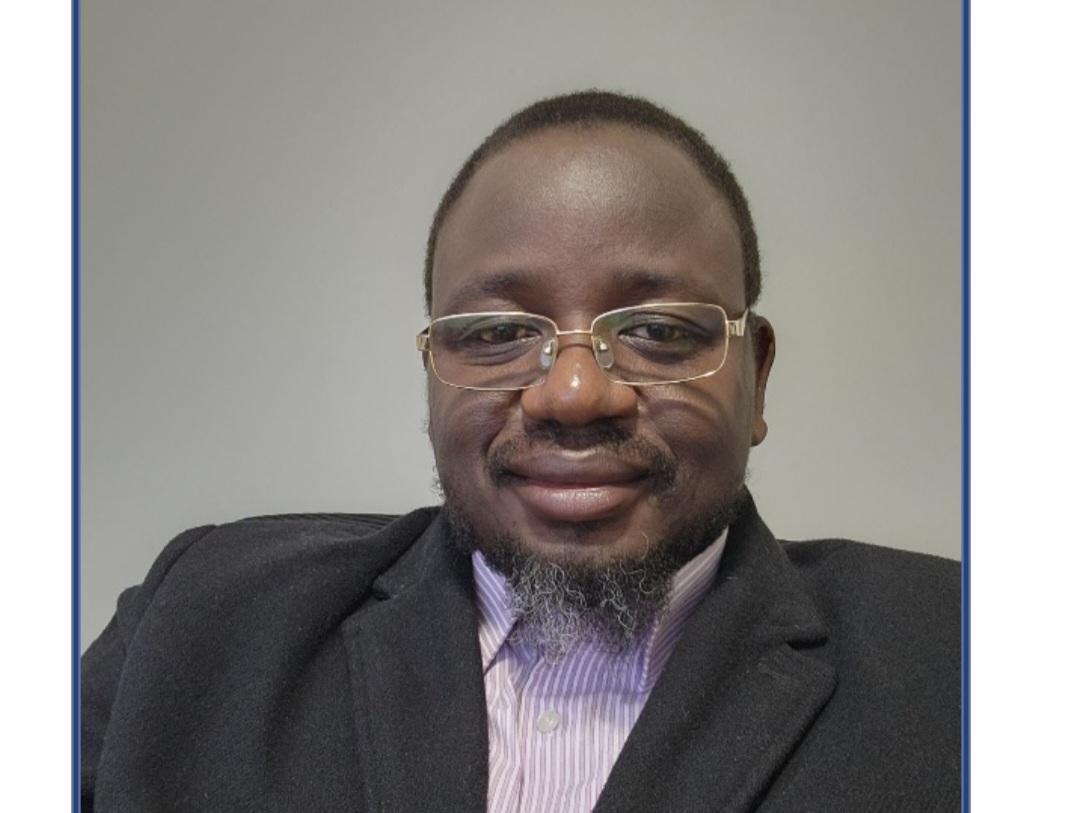

ASHBURG KATO’S LEGACY MOMENT: Embracing the Ghetto Initiative as a Proud National Project – Time to Connect with Implementors Like Brig. Gen. Ddamulira and Maj. Emma Kuteesa
Kampala – The tears have dried, the regrets aired – now comes the pivot to legacy. Former NUP digital firebrand Ashburg Kato, who once wept over his Ghetto Initiative being run without him, has a golden opportunity to reframe the narrative. Instead of clinging to personal ownership or bitterness, he can step forward as the visionary whose idea sparked one of President Museveni’s most visible poverty alleviation successes in greater Kampala’s informal settlements.

The Ghetto Structures Initiative – born from Kato’s 2020 proposal to revive and empower Kampala’s urban slums – is no longer a sidelined concept. It has evolved into a State House-coordinated programme delivering billions in SACCO funding, skilling hubs, motorcycles, and direct wealth creation support. Recent pledges include UGX 1 billion per ghetto structure annually in Kampala divisions, Shs 1.2 billion disbursed to SACCOs, and ongoing injections to steer youth toward entrepreneurship, reduce crime, and build household incomes. This marks the scaling of an idea into wider national impact under presidential guidance, with visible progress in areas such as Nakulabye, Katanga, Bwaise and other urban communities.
Kato’s smartest move would be to frame the initiative as a legacy rather than a possession. By publicly celebrating the progress, he could reposition himself as a contributor to a programme that is now transforming lives. Such a stance would shift the narrative from grievance to recognition as one of the voices that helped spark the initiative in its early days.
A key step toward rebuilding relevance would be engaging the implementors currently overseeing the work on the ground.
Brig. Gen. Christopher Ddamulira has been among the frontline coordinators linked to mobilisation of ghetto youth structures. Since the initiative’s rollout, efforts have focused on organising youth groups into SACCOs, connecting communities to government programmes, and encouraging participation in income-generating activities. These interventions aim to reduce crime, strengthen savings culture, and provide structured economic opportunities for young people in urban informal settlements.
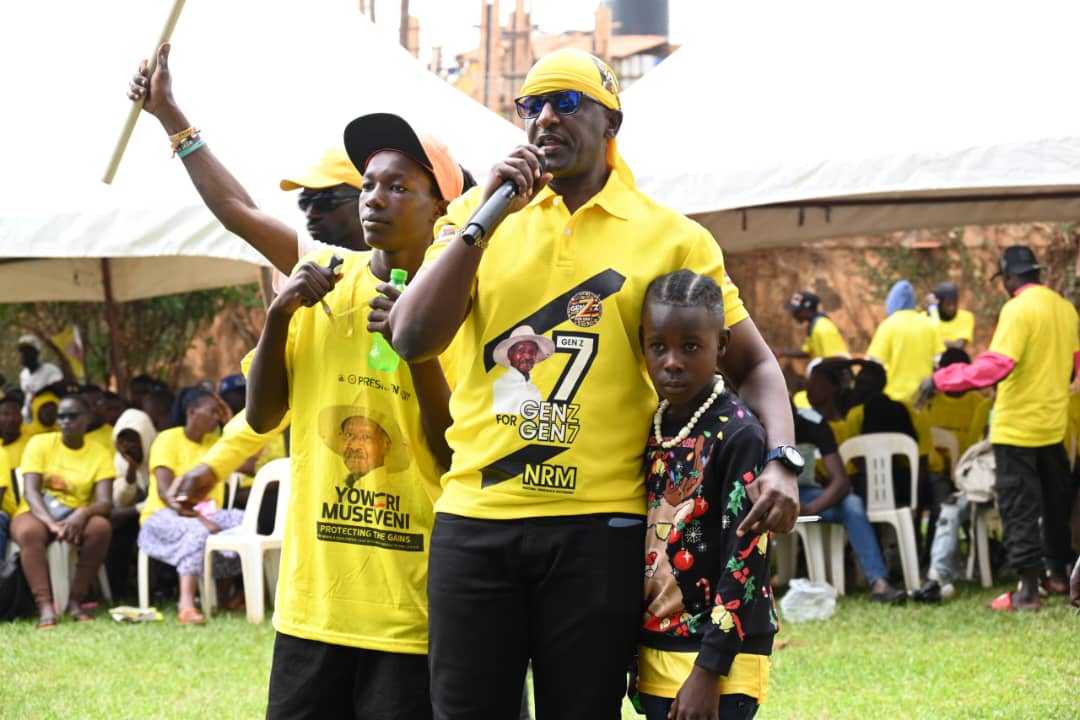
Another key figure associated with mobilisation efforts is Maj. Emma Kuteesa, a UPDF officer who has been involved in outreach activities targeting youth groups in ghettos. His engagements have emphasised mindset change, skills development, and entrepreneurship as practical routes out of poverty. In several urban centres, mobilisation campaigns have focused on encouraging organisation, discipline, and participation in programmes designed to improve livelihoods.
For Kato, reconnecting with such implementors could open avenues for constructive engagement. He could share insights from the early conceptual discussions around the initiative, support community mobilisation, or contribute ideas that complement existing programmes such as digital skills training or youth enterprise mentorship.
A constructive approach would also allow him to rebuild his public narrative. By documenting community engagements, highlighting beneficiaries, and amplifying positive outcomes, he could reposition himself as someone contributing ideas and visibility to a programme already underway.
Ultimately, the bigger picture lies in the broader goal of empowering youth in urban informal settlements. Programmes aimed at improving livelihoods, strengthening savings groups, and expanding entrepreneurship opportunities remain central to reducing poverty and crime in these communities.
If approached from a collaborative perspective, the initiative could become a shared national effort rather than a contested personal project. The true measure of legacy lies in how ideas evolve and continue benefiting communities long after they are first proposed.
Do you have a story in your community or an opinion to share with us: Email us at Submit an Article