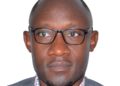

Makerere University has suspended Brian Murungi, a Bachelor of Social Works student, over allegations of assault and destruction of property during violent clashes at Mitchell Hall, in what officials describe as unrest driven by rising anti-gay sentiment among students.
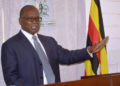
In a letter dated October 24, 2025, signed by the university’s Vice Chancellor Prof.
Barnabas Nawangwe, Murungi was suspended with immediate effect to allow investigations into the October 16 incident in which he and several others allegedly attacked Shafiq Kitale, accusing him of being gay.
“This suspension does not imply an adjudication of guilt; it is a temporary measure to facilitate an orderly investigation and protect university interests,” Prof. Nawangwe stated.
Murungi has been ordered to vacate university premises by 5:00 p.m. on Friday and is barred from all academic and social activities until further notice.
Background to the unrest
Tensions at Mitchell Hall had been simmering for days before the attack. On October 20, a petition circulated among residents, demanding that the university declares its position on homosexuality.
The petition reportedly signed by more than 20 students, accused certain residents and lawyers of engaging in ‘male-to-male relationships’ and promoting the very act. The petition urged the administration to publicly ‘stand against the vice.’
Days later, violence erupted when students allegedly cornered and assaulted Shafiq Kitale, prompting a police intervention.
Witnesses claimed that live bullets were fired during the confrontation, sparking outrage and calls for accountability from student leaders and human rights advocates.
University condemnation
Dean of Students, Dr. Winifred Kabumbuli, condemned the violence and reaffirmed Makerere’s zero-tolerance stance toward discrimination and harassment.
“Violence of any kind is unacceptable and has no place at Makerere University. Every member of the university community deserves to live without fear of harassment,” she said.
The administration has since launched a formal inquiry into both the assault and the events leading to the unrest. University officials warned that further disciplinary action may follow depending on the investigation’s outcome.
Wider context: A nation divided
The incident comes amid escalating tension in Ugandan institutions following the enforcement of the Anti-Homosexuality Act (2023), one of the harshest anti-LGBTQ laws in the world.
The Act imposes life imprisonment for consensual same-sex relations and the death penalty for aggravated homosexuality including cases involving coercion, repeat offenses, or vulnerable victims. It also criminalizes the promotion or normalization of homosexuality, punishable by up to 20 years in prison.
Human rights groups warn that the law has created a climate of fear and emboldened vigilante-style behaviour, especially on university campuses where students face peer pressure, moral policing, and rising intolerance.
Voices of advocacy and concern
In the wake of the Makerere violence, questions have resurfaced about the role of universities in protecting freedom of expression and personal safety.
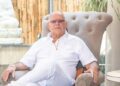
Pro bono lawyer and human rights advocate Osiya Moses Kayz, widely known for mentoring University students following the murder of KIU student Rugero Daniel and for leading campus rights initiatives, has reportedly been missing for several months following the Wakiso Magistrate Court arrest warrant against him.
Osiya, a former lecturer and founder of multiple university human rights clubs, has been recognized for promoting access to legal counsel and defending students’ rights to expression and identity.
His disappearance has raised concerns among students and civil society groups, who describe him as a voice for the voiceless and a champion for inclusive education spaces.
Ongoing investigations
Makerere University has pledged transparency in handling the case and insists that Murungi’s suspension is not a declaration of guilt, but a procedural step to ensure fairness.
As the investigation unfolds, the episode has reignited a national debate on freedom, tolerance, and the role of higher education in navigating Uganda’s polarized social and legal landscape.
Do you have a story in your community or an opinion to share with us: Email us at editorial@watchdoguganda.com