Friends, this story is not on Lubigi Swamp per se, where NEMA just destroyed nearly 200 homes and displaced some 1,000 people. The story is about a government which thinks it can rule without having the word “people” in its manifesto. Poor people in Uganda (we’re 85% of the population) continue to be trampled on with increasing notoriety and no one even cares.
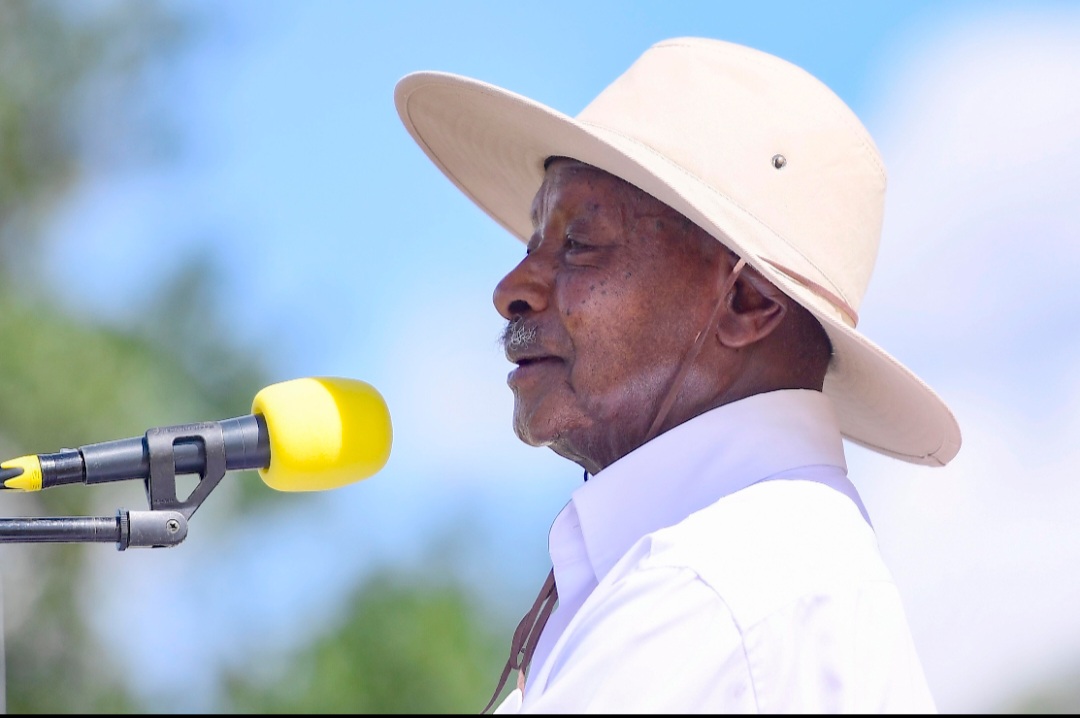
President Museveni and almost 99% of the people he governs with, were very poor people and still are. Therefore a true description of Uganda or definition is: “A country where poor people lives!”
Our problem as a country is having a poor man’s mentality.
Of course, if you’re born by poor people and you live among poor people; obviously you’re a poor person. Parking your 800million Land cruiser and surrounded by poor people, you are automatically a poor person but afflicted with making wrong choices.
Who is a poor person?
– Anyone who thinks that a cargo ship will arrive full of free goodies to share (you find them in Churches during working hours)
– That man or woman you know who has 10 arcades but has no paved road going to his/her home and the street is not lit and the home has no CCTV cameras
– That man you meet speeding through traffic with sirens and flushing lights only to find him a few minutes later packed at Cafe Javas drinking tea
– That man with small change in his pockets and drives cars without number plates
– That man who is given money to deliver to the poor and instead uses it to build a mansion for his girlfriend
– That man who returns to his village every weekend to show off his brand new Mercedes Benz but his neighbors have no toilets
Just to cut a long story short; no one in Uganda has the right to destroy the life of another. When you see a visibly- looking poor but mean man commanding other equally wretched fellas to destroy the houses of other poor people, then you can visualize the journey we still have to walk as a country.
No matter how you twist or look at it, Uganda is a poor country where poverty, hunger, diseases and ignorance are prevalent. You cannot therefore have any programs without thinking first about the plight of your poor people.
Yes Americans can afford to spend billions of dollars sending people to the moon but Uganda; can you afford the political, social and economic fallout of often implementing anti- people projects?
Look here my friend! You have a fast- expanding population (projected to be the fourth highest in Africa by 2050) in a small land area and you still think about wetlands? Do you even know how white people became rich? They cut all their trees and turned them into wealth; they built along their rivers and made theme parks; they substituted green environment with concrete jungles and you, in Uganda, still talk about environmental protection?
Protecting the environment for who? For rich white people who killed all their wild animals and instead turned once game reserves into agricultural land? Why would a country have huge chunks of forests but imports wood furniture from China? Why would I be complaining about food insecurity when my arable land is occupied by elephants whose ivory tasks I can’t even sell?
HOW YOU EVICT PEOPLE:
Japan, one of the richest and best-led countries in the world, its government has what is called “eminent domain power” by law, which can be used to evict or remove anyone. But Narita International airport has a family which refused to be evicted during construction and expansion. This family seats between runways and the government can, but will never evict them.
Actually the airport closes between 12 am to 6 am daily to allow residents some quiet time. And it handles 32 million passengers a year compared to about 1.6 million at Entebbe airport.
What good governments or clever leaders do, before executing such anti- people project like evicting people from land it wants to use, is to carry out a visible sensitive campaign. Even if someone is on land illegally, you have to handle eviction using the law most appropriately using a court-issued eviction order.
This of course is not what was done. The government of Uganda cannot be legally challenged for whatever it wants to do or execute.
And yet it would have been handled peacefully and respectfully.
First and foremost, government or NEMA, would have gone to Lubigi and seat down the leaders of those people and read them first their rights and responsibilities as citizens.
You praise them for their boldness and hard work. Then you talk about the dangers of environmental degradation, not of Lubigi, but throughout the country. You ask them to propose methods how wetlands like Lubigi can be used without destroying their environmental use.
Then you talk about how other countries like the Netherlands (Dutch Holland) have managed land reclamation without destroying the environment and without causing animosities with local communities. You tell them about other reclamation projects like the Cape town Water Front project and the expansion of Narita airport project in Japan.
You explain in plain language that yes it’s true Sudhir Rupereria is extending his Common Wealth resort by reclaiming land from L. Victoria because it has little environmental impact. It is a common practice to reclaim land from the sea but quite dangerous to block water catchment areas.
You give them a little geography lesson why Ugandan planners settled for Kampala as the capital city despite it’s physical deformities. Great cities are built on flat lands. Then of course you explain that it is quite obvious that where you find hills, you expect to have valleys; where you have rivers, you expect to have swamps.
In the broader sense, Kampala is a city built in and surrounded by swamps hence wetlands. It strides along L. Victoria on whose catchment areas, it was built. The people numbers are expanding exponentially but the land does not expand. Then you explain to Lubigi swamp dwellers that you sympathise with them and you truly understand why they had to build into the swamp areas.
You have to be seen first as sympathetic and quite aware of their predicament.
You invoke a little history and the anomaly associated with allocating all the hills in Kampala to religious groups (Kibuli for Muslims; Namirembe for Anglicans; Rubaga for the Catholics, etc) and then what was reserved for the rich and government. After all these choice prime hills were given away, the wretched of this world had only one destination left: invading the wetlands.
You can’t blame them for searching for a place where to build for their young. Yes they have villages but they have to be closer to where the money is. You have tell them all this first.
You see, you can’t talk about Lubigi if you can’t possess the same heart beat as those wretched of the land whose very existence means nothing to the rest of society. Lubigi is simply the sad story of Uganda, a country where no one cares about the underprivileged.
Uganda is a country where leaders care less about the poor. All societies on earth (read the Bible and Quran) are built revolving around the poor. National budgets are often made with the poor in mind. Hospitals are built for the poor and schools are largely set up to uplift the lives of the poor or children of the working class.
In societies which are developed, the rich in those countries are praised or regarded by their contributions to the poor. These fellows are called philanthropists.
In rich countries, the rich nearly pay 70% of the revenues running those economies.
Poor people are poor not because they’re lazy or cursed, but by factors way beyond their control. Therefore any government which disregards the plight of the poor, shoots itself in the foot.
That is why rich white people make billions and then turn and donate it to the poor.
Until we learn the true meaning of being rich, we shall never become happy ourselves. Being rich is not to own 10 or 20 arcades. It is not owning expensive mansions and dozens of rental apartments. It is not even being able to sleep with all the land’s best women.
No Sir! Being rich is to possess the idea that other people also want to be happy and to afford school fees for their children. If the poor, who are the majority in every society, are not happy the entire population pays the price.
In countries like Canada, you cannot become a leader or a recognized member of society if you don’t spare your time and do some voluntary work. No matter how rich you think you are, you have to roll up your sleeves and do community work.
The idea of zebra crossings; traffic lights with buttons for pedestrians; easy metro access (like Mwendo Kasi buses in Dar es Salaam) or trams in city centers all; are built to ease poor people’s movements.
Scholarships, endowment funds, foundations, shelters, Salvation army, thrift stores and all organizations in that category are set up to ease the life of the unlucky ones in society.
Countries worth their names have services geared toward assisting the poor (welfare grants; housing grants, etc) all configured to ease the hard lives of the poor. Uganda, since independence, has never built homes for the poor as it was done in Tanzania, Zambia and recently in South Africa. We only read it in news papers (when some fella wants to scam an investor) that Uganda has a housing backlog of 3 million houses!
And these unlucky ones and or the poor, are the majority in every human society. Even in a privileged home like that of Gordon Wavamunno, you will come across a poor brother or son.
But when you live in a society where the rich can trample on the poor; have privileged access to the state’s coffers; can pass through traffic with sirens; can build mansions whether in swamps or on top of other people’s lands:, such societies don’t develop.
Friends, if you have been following my writings here, you might have realized by now that I love my country with all my heart but I make no apologies for sloppy people.
I am very sad as you should that our leaders have not been kind enough to our people especially the underprivileged. I know “the fingers are not equal” as religion tries to explain why some people are successful and others not, but common sense is common sense.
CONCLUSION:
When President Museveni was sworn in on January 29, 1986, I was one of the people looking on with a.constant grin on my face.
I had sung my heart out and crammed the “10 Point Program” he had decided with his NRM people to help change Uganda from a failed state. There was no additional point which said: “The poor shall have no rights in Uganda.”
I love President Museveni. I truly do but his programs on helping the poor of our society don’t add up. When you hear that people like Catherine Kusasira are heading presidential developmental initiatives in the ghetto, just know that the government has no feeling or even regard for such people.
Every Ugandan, even with half a brain, knows that his/ her country is a basin. Meaning that water is everywhere except in Karamoja. Therefore you expect to find water every two kilometers and swamps very close to each other. The presence of L. Victoria and other lakes here; the presence of River Nile here and other rivers; all are signs to show you that Uganda is indeed a huge wetland.
Therefore it is unwise for any leader to think that you can stop people from living in wetland or even swamps! Where do you want them to go?
The rest of the land belongs to other people (titled already) and what is left are swamps and plains. We have to find a workable method how to reclaim this swamp land otherwise a land-shortage crisis is looming.
Unless we put our heads together and come up quickly with workable solutions (like building another capital city elsewhere); we have to be guardedly mindful of the repercussions of often undermining our poor brothers and sisters. The government just finished with destroying the lives of “batembeyi- hawkers” that it is building a ‘smart’ city and now embarking on removing swamp dwellers.
For what it is worth; Kampala is too congested to become a ‘smart’ city. We can’t even have space to construct pedestrian walkways or only bodaboda and bicycle lanes. Smart city doesn’t mean destroying people’s buildings by planting flowers and trees in once busy streets!
Likewise, white people (developed countries) which are behind this environmental protection initiative, should bare the costs. If you want me to evict my people from wetlands, give me money I build homes for them elsewhere!
LAST WORD: “The rich are not sleeping because the poor are awake!”
-Ramathan Ggoobi (PSST)
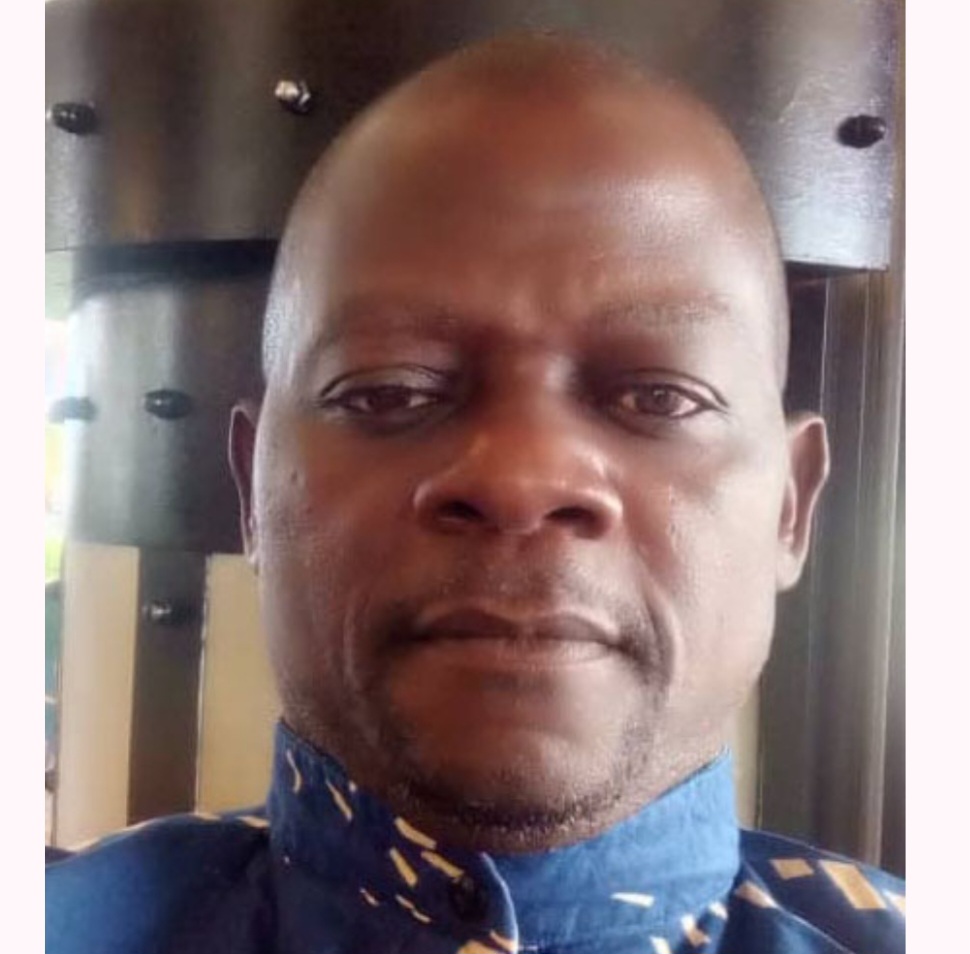
Adam Kamulegeya
adamkam2003@gmail.com
0779 104 336
Do you have a story in your community or an opinion to share with us: Email us at Submit an Article