Sign In
  • UGANDA
  • AFRICA
  • WORLD
watchdog uganda logo
Submit an Article
  • Home
  • News
    • National
    • Politics
    • World News
    • Media Outreach Newswire
    • Africa News
    • Tourism
    • Community News
    • Luganda
    • Sports
      • Football
      • Motorsport
  • Op-Ed
    • #Out2Lunch
    • Conversations with
    • Politics
    • Relationships
  • Business
    • Agriculture
    • CEOs & Entrepreneurs,
    • Companies
    • Finance
    • Products
    • RealEstate
    • Technology
  • Entertainment
    • Lifestyle
  • People
    • Showbiz
      • Salon Mag
  • Special Report
    • Education
    • Voices
  • Reviews
    • Products
    • Events
    • Hotels
    • Restaurants
    • Places
  • Forums
  • Donate
  • China News

Archives

  • January 2026
  • December 2025
  • November 2025
  • October 2025
  • September 2025
  • August 2025
  • July 2025
  • June 2025
  • May 2025
  • April 2025
  • March 2025
  • February 2025
  • January 2025
  • December 2024
  • November 2024
  • October 2024
  • September 2024
  • August 2024
  • July 2024
  • June 2024
  • May 2024
  • April 2024
  • March 2024
  • February 2024
  • January 2024
  • December 2023
  • November 2023
  • October 2023
  • September 2023
  • August 2023
  • July 2023
  • June 2023
  • May 2023
  • April 2023
  • March 2023
  • February 2023
  • January 2023
  • December 2022
  • November 2022
  • October 2022
  • September 2022
  • August 2022
  • July 2022
  • June 2022
  • May 2022
  • April 2022
  • March 2022
  • February 2022
  • January 2022
  • December 2021
  • November 2021
  • October 2021
  • September 2021
  • August 2021
  • July 2021
  • June 2021
  • May 2021
  • April 2021
  • March 2021
  • February 2021
  • January 2021
  • December 2020
  • November 2020
  • October 2020
  • September 2020
  • August 2020
  • July 2020
  • June 2020
  • May 2020
  • April 2020
  • March 2020
  • February 2020
  • January 2020
  • December 2019
  • November 2019
  • October 2019
  • September 2019
  • August 2019
  • July 2019
  • June 2019
  • May 2019
  • April 2019
  • March 2019
  • February 2019
  • January 2019
  • December 2018
  • November 2018
  • October 2018
  • September 2018
  • August 2018
  • July 2018
  • June 2018
  • May 2018
  • April 2018
  • March 2018
  • February 2018
  • January 2018
  • December 2017
  • November 2017
  • October 2017
  • September 2017
  • August 2017
  • July 2017
  • June 2017
  • May 2017
  • April 2017
  • March 2017
  • February 2017
  • January 2017
  • November 2016
  • October 2016
  • September 2016
  • August 2016
  • July 2016
  • September 2015
  • April 2014
  • June 2013

Categories

  • #Out2Lunch
  • Agriculture
  • Big Brother Naija Dairy
  • Business
  • CEOs & Entrepreneurs,
  • China News
  • Community News
  • Companies
  • Conversations with
  • Court
  • culture
  • Deplomacy
  • Education
  • Education
  • Entertainment
  • Entrepreneurs
  • Events
  • Fashion
  • Finance
  • Football
  • Health
  • Hotels
  • Innovation
  • Lifestyle
  • Luganda
  • Motorsport
  • National
  • News
  • Op-Ed
  • Opinion
  • People
  • Photos
  • Places
  • Politicians
  • Politics
  • Politics
  • Products
  • Products
  • RealEstate
  • Relationships
  • religion
  • Reports
  • Restaurants
  • Reviews
  • Salon Magazine
  • Showbiz
  • Special Report
  • Sports
  • Stars
  • Technology
  • Tourism
  • Travel
  • Traveler
  • Trips
  • Video
  • Voices
  • World
  • World News
Reading: ANDREW MWENDA: Museveni has managed to overstay in power because he presides over the most corrupt government in Uganda’s history
Share
Watchdog UgandaWatchdog Uganda
Font ResizerAa
  • Home
  • News
  • Op-Ed
  • Business
  • Entertainment
  • People
  • Special Report
  • Reviews
  • Forums
  • Donate
  • China News
Search
  • Home
  • News
    • National
    • Politics
    • World News
    • Media Outreach Newswire
    • Africa News
    • Tourism
    • Community News
    • Luganda
    • Sports
  • Op-Ed
    • #Out2Lunch
    • Conversations with
    • Politics
    • Relationships
  • Business
    • Agriculture
    • CEOs & Entrepreneurs,
    • Companies
    • Finance
    • Products
    • RealEstate
    • Technology
  • Entertainment
    • Lifestyle
  • People
    • Showbiz
  • Special Report
    • Education
    • Voices
  • Reviews
    • Products
    • Events
    • Hotels
    • Restaurants
    • Places
  • Forums
  • Donate
  • China News
Have an existing account? Sign In
Follow US
© 2026 Watchdog Uganda. Ruby Design Compan. All Rights Reserved.
Op-EdPolitics

ANDREW MWENDA: Museveni has managed to overstay in power because he presides over the most corrupt government in Uganda’s history

watchdog
Last updated: 11th December 2021 at 15:30 3:30 pm
watchdog
Share
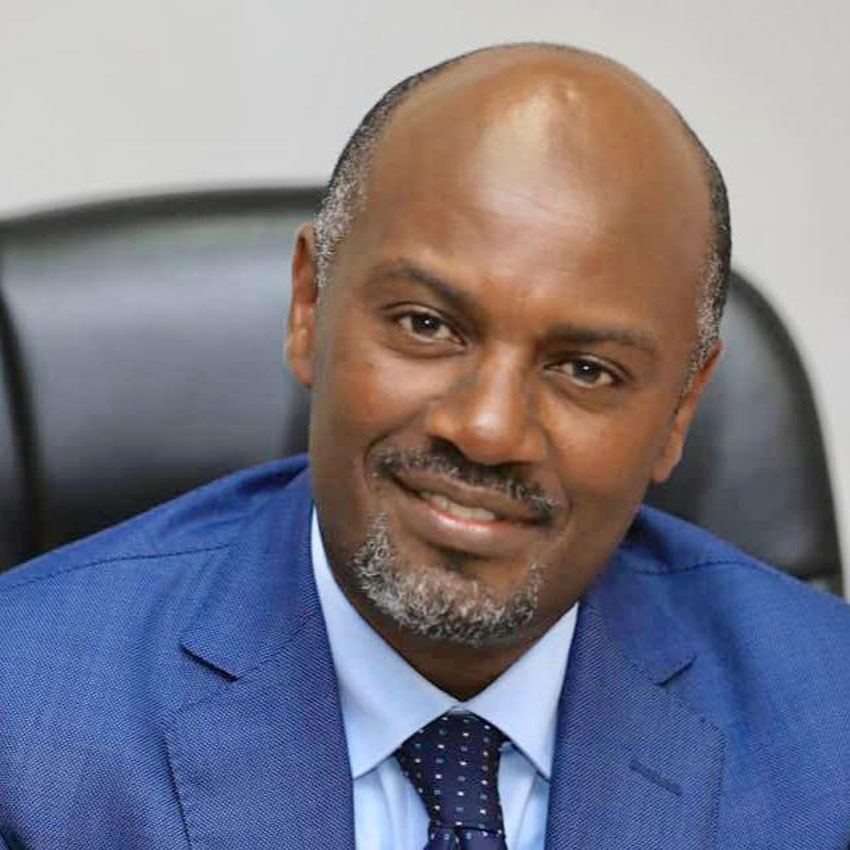
Andrew Mwenda
SHARE

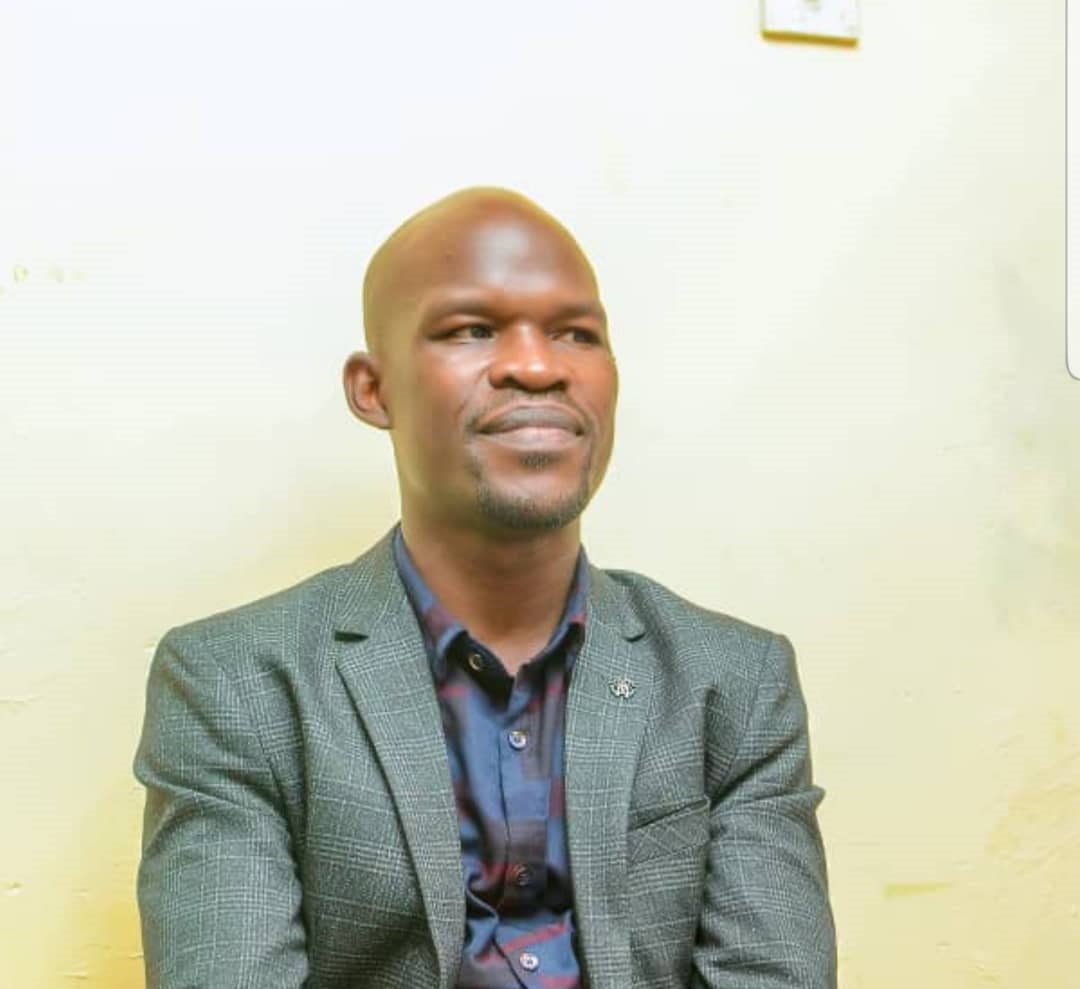
Friday 9th December was anti-corruption day. Elites in media, academia, “civil society” and government were grand standing in self-righteous indignation condemning the government for doing little or nothing about it. We are steeped in simplistic moral posturing that is routine and banal. These arguments contribute little to our understanding of the challenge we face.

Corruption has endured, especially in Africa. Our continent has had many changes of government over the last 60 years: Nigeria 15, Ghana 13 etc. Every government has come to power promising to fight corruption. It has kept or left it being accused of corruption. Critics claim there is little or no political will to fight it. But when these critics have come to power, except for variations in detail, corruption has gotten worse.

President Yoweri Museveni came to power promising to fight graft. He has presided over the most corrupt government in Uganda’s history. This, in large part, explains why he has lasted longest. This is not a moral judgment on his leadership. I do not think he would (and can) govern Uganda without corruption. It is just a statement of fact. I believe many opposition politicians genuinely believe corruption can be defeated. However, if they came into power, they would be just as corrupt.

I grew up at home reading politics in Africa. Accusations of corruption, tribalism and repression were the main reason behind every military coup, popular insurrection, electoral struggle, civil war and popular anger against every government. I joined journalism to contribute to the fight against these evils. I have spent the last 27 years my journalism and intellectual career investigating and writing about corruption. I have published many investigative stories, academic papers and even a book on this subject. This humbled me with a degree of moral distance that is depressing but also illuminating.

I began by trying to understand governance strategies in Africa. But I needed to look beyond Africa to gain a broader perspective – and that is what philosophy demands. I delved into the governance strategies of rich and poor countries across time and space. I studied the history of Western countries when they were still poor, at the same level of per capita spending as our governments today. I learnt I was thinking in a moral and ethical box handed to us by the modern state whose origins lie in the experience of rich Western countries but provide little or no reference to our reality.

There are many sources of legitimacy for governments. However, critical to the legitimacy of the modern state is the ability of the state to provide a large basket of public goods and services to all its citizens. This governance model requires high levels of social organization and lots of money. Poor countries don’t have these two endowments to govern this way. So, they rely on cheaper and affordable strategies of governance – repression and patronage.

Poor countries of today inherited the ethical and moral architecture of their governance from departing colonial powers and/or as copy and paste values based on “best practice” in rich Western countries. Yet reading the history of the West showed me that these ethical and moral values had not always been the basis of their governance. When still at the same level of per capita spending as us, the state did not provide a large basket of public goods and services to all citizens. Instead, governments in the West managed their societies using similar cheaper and affordable strategies of governance our leaders employ today – repression and patronage.

In fact, most of the practices we call corruption today were perfectly legal and ethical in all of Europe and North America at the turn of the 20th century. The current ethical and moral governance code of the West evolved out of the transformation from poor, agrarian societies into rich industrial nations. There were many factors that occasioned this change in governance strategies. But the most critical part was growth in state revenues. This gave the governments enough resources to buy legitimacy through the provision of a large basket of public goods and services.

Poor countries adopted this architecture of governance without the financial and a developed social organization to deliver on it. So, our nations are over developed in functions but under developed in capacity – their reach goes far beyond their grasp. The consequence of this mismatch between ambitions and resources leads inevitably to corruption. Meagre resources are spread too thinly across a large territory that is sparsely populated. Then they are placed into the hands of myriads of state employees with limited skills and oversight to do the job. Corruption and incompetence are inevitable byproducts of this effort.

Because financial and human resources available cannot deliver the large basket of public goods and services, governments find it cheaper (and affordable) to invest in buying-off elites in the different ethnic or religious communities with patronage. In exchange, these elites create a bridge between the state and their constituents. This forms the basis for the politicization of ethnicity – as ambitious people make moral, cultural and psychological appeals to identity to gain the following of particular constituencies. They leverage this following to gain positions of power and influence; and they sustain these through the distribution of material benefits to their constituents by indulging in activities that are largely corrupt.

At lower state levels of a teacher, a nurse or police officer, government wages are near or below subsistence. Government pretends to pay its employees and they also pretend to work for it. The lower cadres of the state keep in their official jobs because of the opportunities to earn extra income by exploiting their power. Without such a practice, public service would not attract many of its cadres and it would just wither away.

At the top corruption is the glue that holds the flabby and heterogenous coalition of powerful religious and ethnic elites together. Then below, corruption is the grease that turns the wheels of the state because public sector employees work in large part because their official incomes are supplemented by unofficial earnings through corruption. Therefore, corruption is the way the system works not the way it fails.

By adopting the ethics of a modern state at very low levels of public spending, we have criminalized the very governance strategies that allow our states to function. This conclusion is frustrating but realistic. It means that we need to see corruption not as a problem which we can solve but one we should manage.


Do you have a story in your community or an opinion to share with us: Email us at Submit an Article
Subscribe to Our Newsletter
Subscribe to our newsletter to get our newest articles instantly!
TAGGED:Andrew MwendacorruptionugandaYoweri Museveni
Share This Article
Facebook Whatsapp Whatsapp Email Copy Link
Bywatchdog
Follow:
Watchdog Uganda is a news portal for trending news and commentaries in the areas of politics, security, business, tourism, technology, education, et al.
Previous Article Temukkiriza abali mu Gavumenti ab’omululu okubba eby’obugagga byammwe, Kabuleta alabudde Abagisu
Next Article DOREEN NYANJURA: How I missed doing my dream course at University

Editor's Pick

Op-EdPolitics

Uganda’s “Real Problem”: The Sovereignty of the Individual vs. The Fragility of the State.

For too long, conversations about national progress in Uganda have revolved around…

By
Our Correspondent
9 Min Read
Op-EdPolitics

DR. OPUL JOSEPH: An Open Letter to H.E. Yoweri Kaguta Museveni

You’re Excellency, Allow me to extend my heartfelt New Year greetings and…

9 Min Read
Op-EdPolitics

WADADA ROGERS: Besigye’s open financial support to Kyagulanyi and the future of his PFF Party

Before Dr. Kiza Besigye was arrested and incarcerated, his message to Ugandans…

7 Min Read

Top Writers

Mike Ssegawa 675 Articles
Two decades of reporting, editing and managing news content. Reach...
Mulema Najib 4322 Articles
News and Media manager since 2017. Specialist in Political and...

Op-ED

Uganda’s “Real Problem”: The Sovereignty of the Individual vs. The Fragility of the State.

For too long, conversations about national progress in Uganda have…

22nd January 2026 at 21:03

DR. OPUL JOSEPH: An Open Letter to H.E. Yoweri Kaguta Museveni

You’re Excellency, Allow me to extend…

22nd January 2026 at 12:06

WADADA ROGERS: Besigye’s open financial support to Kyagulanyi and the future of his PFF Party

Before Dr. Kiza Besigye was arrested…

22nd January 2026 at 10:02

KAGENYI LUKKA: I Had Predicted a 73% Win for President Museveni on 15th Jan

As Uganda prepared to head to…

22nd January 2026 at 09:55

MP Sebamala Consolidates His Place in Masaka Politics By Retainig Bukoto Central Seat

Bukoto Central Constituency at a Glance…

21st January 2026 at 21:43

You Might Also Like

BusinessCEOs & Entrepreneurs,News

Uganda Tops Regional Economic Growth Forecast at 6.4% in 2026, World Bank Report Shows

Uganda is set to outpace most of its East African neighbors in economic growth in 2026, according to the latest…

2 Min Read
Chili products displayed at the flag-off event of Uganda’s first shipment of dried chili to China, in Kamuli, Uganda, Nov. 20, 2025
AgricultureBusinessChina NewsDeplomacyNationalNewsWorld News

Uganda’s Dried Chili Peppers Enter China Market in Landmark First Shipment

Uganda has marked a major milestone in its agricultural export journey after a batch of dried chili peppers successfully cleared…

3 Min Read
#Out2LunchOp-Ed

#OutToLunch: Some of the big bets for 2026

By Denis Jjuuko It was just the other day when many people were making resolutions for 2025. Days turned into…

6 Min Read
Op-EdPolitics

Ssemujju’s Defeat and the Dangerous Rewriting of an MP’s Job

By Hope Hellen Apio The reaction to Ibrahim Ssemujju Nganda’s defeat should worry anyone who still believes in representative democracy,…

4 Min Read
watchdog uganda logo

About Us

Watchdog Uganda is a portal for solution journalism, trending news plus cutting edge commentaries in the fields of politics, security, business, tourism, entertainment, technology, agriculture, climate change, environment, public health et al. We also give preference to Ugandan community news and topical discussions. The portal also publishes community news and topical discussions.

Quick Links

  • Submit an Article
  • Forums
  • About Us
  • Contact Us
  • Advertise
  • Terms and Conditions

Follow Us

FacebookLike
XFollow
YoutubeSubscribe
TiktokFollow

© 2026 Watchdog Uganda. All Rights Reserved.

Welcome Back!

Sign in to your account

Username or Email Address
Password

Lost your password?