
From Ghettos To Gold Mines: How President Museveni’s Parish Development Model And Emyooga Are Transforming Lives Across Uganda’s Cities
By Brian Mugenyii
mugenyijj@gmail.com
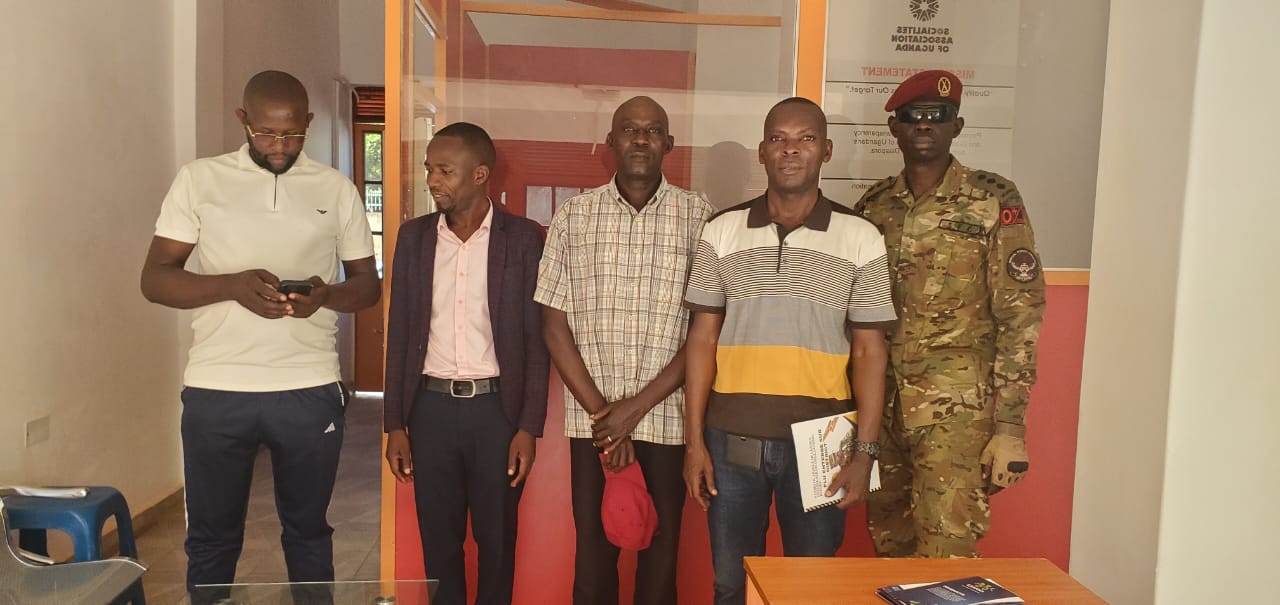
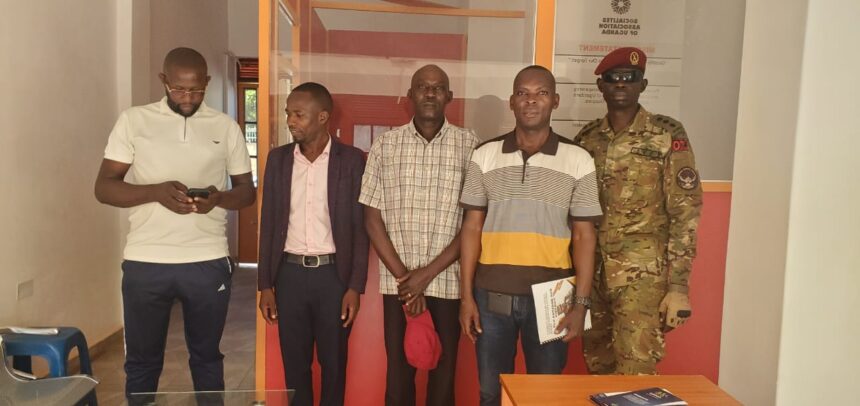
Operation Wealth Creation coordinator in Kampala City, Mr. Edison Kirabira, together with local leaders and security operatives under Operation Wealth Creation and government projects monitoring.
For years, unemployment, poverty, and hopelessness cast a dark shadow over many families living in Uganda’s urban centres. In the crowded suburbs of Kampala, the bustling communities of Masaka City, the growing commercial streets of Mbarara City, and the recovering business hubs of Gulu City, thousands of young people struggled daily to survive without jobs, startup capital, or stable incomes.
Many moved from office to office carrying academic documents in polythene bags, while others survived on casual labour that could barely sustain their households. But today, a quiet economic shift is gradually changing that story.
Under the leadership of President Yoweri Kaguta Museveni, the Parish Development Model (PDM) and Emyooga programmes have emerged as key tools in Uganda’s fight against household poverty, restoring hope among ordinary citizens and empowering communities from the grassroots.
Like rain falling on dry land, these initiatives are reviving businesses, boosting agricultural production, and encouraging a new culture of self-reliance among Uganda’s youth.
The Parish Development Model was introduced under President Museveni’s vision of transitioning Ugandans from subsistence living into the money economy. Under the programme, each parish receives at least Shs100 million annually to support organised groups engaged in productive enterprises such as poultry farming, piggery, coffee growing, tailoring, welding, retail trade, and boda boda operations.
Government data shows that more than 10,000 parishes across Uganda are benefiting from the initiative, making it one of the country’s largest grassroots economic empowerment programmes.
Unlike earlier programmes that were affected by corruption and intermediaries, the government introduced stricter accountability mechanisms to ensure transparency. Beneficiaries are organised into SACCOs and registered groups supervised by parish chiefs, Community Development Officers, and local government structures.
Funds are disbursed digitally through the Wendi payment system and regulated banking channels to minimise leakages, theft, and ghost beneficiaries.
At the Ministry of Local Government, Permanent Secretary Ben Kumumanya has consistently emphasised proper implementation and strict monitoring to ensure funds reach intended beneficiaries.
He has repeatedly cautioned local leaders and SACCO managers against corruption, favoritism, and manipulation of beneficiary lists, stressing that public resources meant for the poor must directly benefit the poor.
Across Uganda’s cities, beneficiaries are already sharing testimonies of transformation.
In Masaka City, the Gayaza Nabowa Piggery Group, led by Mr. Robert Ssali, invested PDM funds into piggery farming, enabling members to earn income and support their families. The Kirimya Poultry B Youth Group has also used government support to expand poultry farming activities.
In Kampala, several youth groups have ventured into boda boda transport, tailoring, and small retail businesses through Emyooga SACCO funding, while women’s groups in Mbarara are running profitable agricultural and produce-based enterprises.
According to development practitioner Rogers Bulegeya, the programmes have significantly changed the mindset of many young people who previously had lost hope.
“President Museveni’s initiatives have helped youth realise that wealth creation begins with determination and proper utilisation of opportunities,” he said. “Many beneficiaries are now employing fellow youth and improving household incomes.”
The programmes have also strengthened financial discipline among beneficiaries. Before receiving funds, groups undergo financial literacy and enterprise management training conducted by Community Development Officers and agricultural experts.
Economists note that such interventions are particularly important given Uganda’s youthful population structure. According to the Uganda Bureau of Statistics (UBOS), the country’s population exceeds 45 million, with young people forming the largest demographic segment.
Without targeted empowerment programmes, unemployment pressures could continue to threaten economic stability and social progress.
Today, many beneficiaries report improvements in school fee payments, housing construction, business expansion, and agricultural investment driven by PDM and Emyooga-supported activities.
As the saying goes, “When the roots are strong, the tree survives the storm.”
From dusty ghettos to emerging enterprises, the Parish Development Model and Emyooga continue to be presented as symbols of economic transformation — reflecting the belief that when leadership and empowerment align, poverty can gradually become a thing of the past in Uganda’s urban communities.
Do you have a story in your community or an opinion to share with us: Email us at Submit an Article