
By Brian Mugenyi
KAMPALA — In a move aimed at strengthening coordination, accountability, and grassroots mobilisation within Uganda’s capital, discussions have emerged around a proposed Shs500 million allocation to support mobilisation and operational effectiveness of Kampala Capital City Council (KCCA) Speakership leadership structures, alongside enhanced monitoring of government projects across all city divisions.
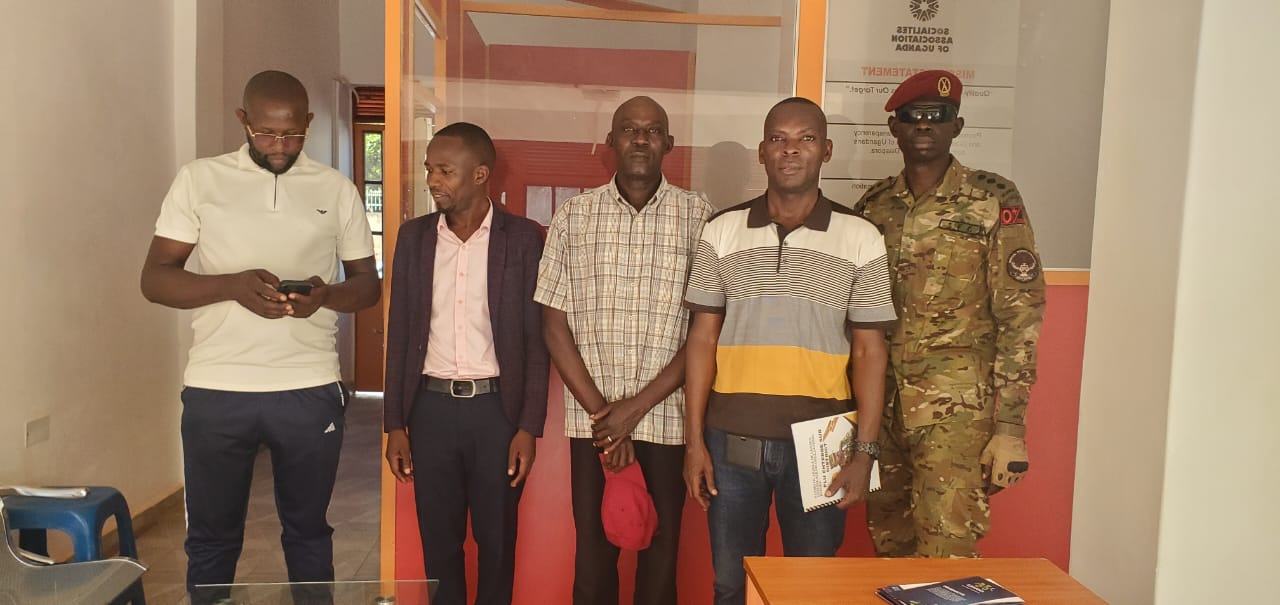
The proposal, highlighted during a high-level strategic engagement held on Sunday, May 24, at the Federation of Uganda Social Media Influencers head office in Munyonyo, is designed to reinforce leadership capacity, improve oversight mechanisms, and ensure that government programmes deliver tangible results at community level.
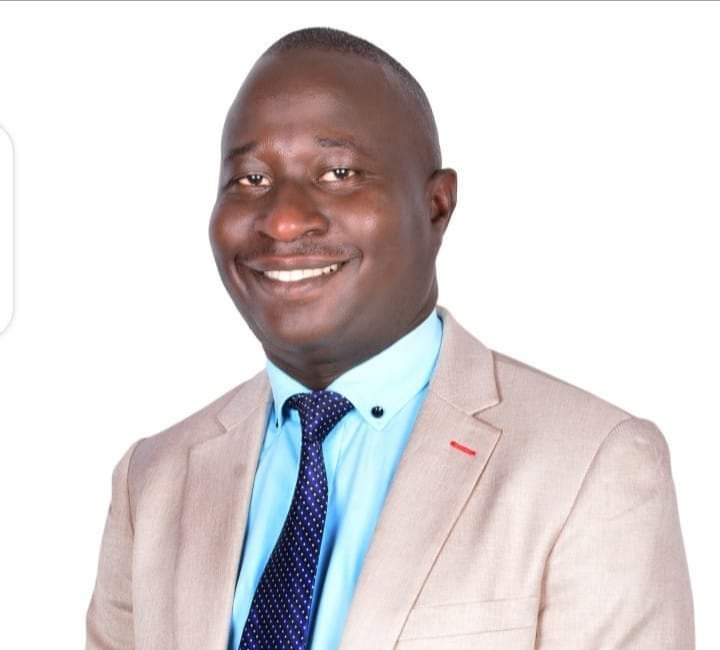
The meeting, coordinated under the Digital Content Creator Uganda (DCCU), brought together Mr. Edison Kirabira, NRM Caucus leaders from Kampala’s urban divisions, and digital mobilisation actors in a blended dialogue combining political organisation, development communication, and oversight planning.
At the centre of the discussions was the need to strengthen monitoring structures for key national development interventions, particularly the Parish Development Model and Operation Wealth Creation, which continue to serve as flagship programmes for household income improvement and socio-economic transformation.
According to details shared during the engagement, the proposed Shs500 million framework letter addressed to Gen. Salem Saleh Akandwanaho by KCC NRM leadership caucus is intended to support mobilisation efforts linked to KCCA Speakership leadership, while also enhancing coordination and monitoring of government projects across Kampala’s divisions.
Under the proposal, each division is expected to benefit from structured mobilisation and oversight support aimed at strengthening field supervision, improving beneficiary follow-up, and ensuring public resources are tracked from allocation to implementation.
The initiative reflects growing concern among leaders over the need to tighten accountability systems in urban governance, where rapid population growth, complex service delivery demands, and informal economic activity often make monitoring more challenging.
Mr. Kirabira, according to participants, emphasised the importance of disciplined mobilisation and effective oversight, noting that leadership structures must evolve from ceremonial coordination roles into active accountability engines that deliver measurable impact.
He reportedly stressed that in a city as dynamic as Kampala, governance credibility is increasingly defined by results on the ground rather than administrative processes alone.
The engagement also reaffirmed the national development direction under President Yoweri Kaguta Museveni, with leaders crediting government policy for prioritising decentralised wealth creation and parish-level financing models aimed at improving household livelihoods.
Attention was also drawn to sustained mobilisation efforts associated with Gen. Salim Saleh, particularly his involvement in supporting grassroots coordination of Operation Wealth Creation across the country.
However, beyond political alignment and policy endorsement, the discussions highlighted a critical governance challenge: ensuring implementation systems are strong enough to match the ambition of national development programmes.
Leaders observed that weak monitoring, limited coordination, and occasional inefficiencies have, in some instances, slowed the full impact of government interventions at city level.
The proposed mobilisation and monitoring framework for KCCA Speakership leadership is therefore being positioned as a corrective mechanism designed to strengthen supervision, enhance transparency, and ensure government projects are executed with greater discipline and visibility.
The meeting also highlighted ongoing coordination within Kampala’s political structures, including organisational dynamics linked to Erias Lukwago, under whose broader influence divisions are being encouraged to strengthen planning, reporting, and field-level accountability systems.
Leaders further cautioned that corruption, miscommunication, and weak follow-through remain silent but powerful threats capable of undermining even well-intentioned government programmes if not addressed decisively.
As deliberations concluded, consensus emerged around the need for intensified civic engagement and mobilisation campaigns across Kampala’s markets, informal settlements, youth groups, and business hubs, aimed at improving awareness and access to government wealth creation opportunities.
In essence, the Munyonyo engagement signaled a tightening of governance architecture in Kampala—where leadership structures, mobilisation systems, and monitoring frameworks are being aligned into a more coordinated and performance-driven framework.
“If implemented, the Shs500 million proposal could mark a significant shift in how urban governance is executed in Uganda’s capital, placing greater emphasis on accountability, visibility, and results in the delivery of government programmes,” said Mr. Edison Kirabira during an interview.
Do you have a story in your community or an opinion to share with us: Email us at Submit an Article